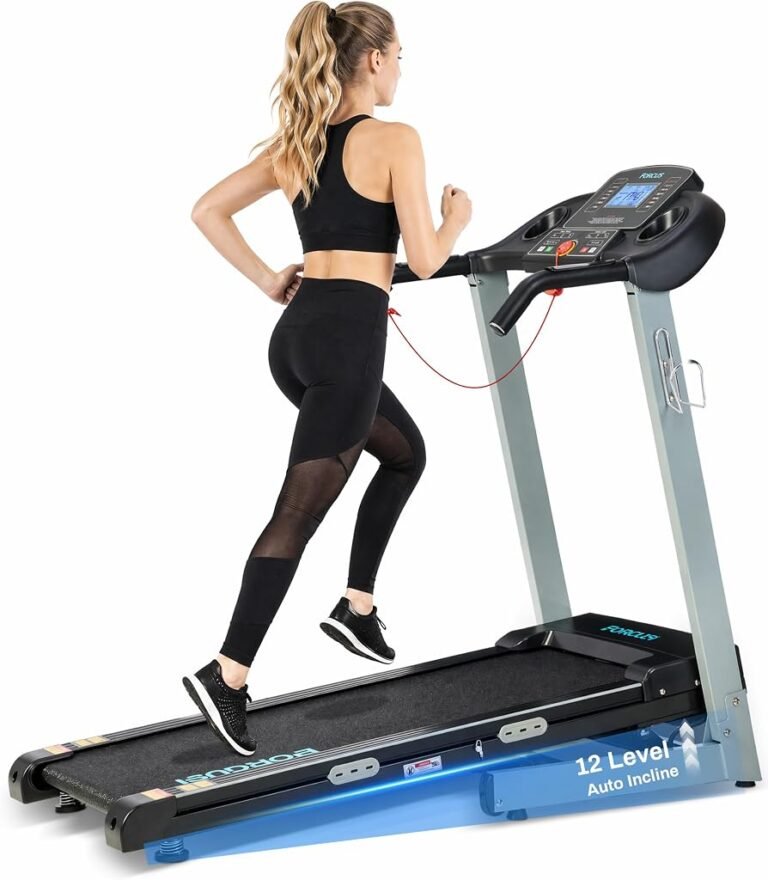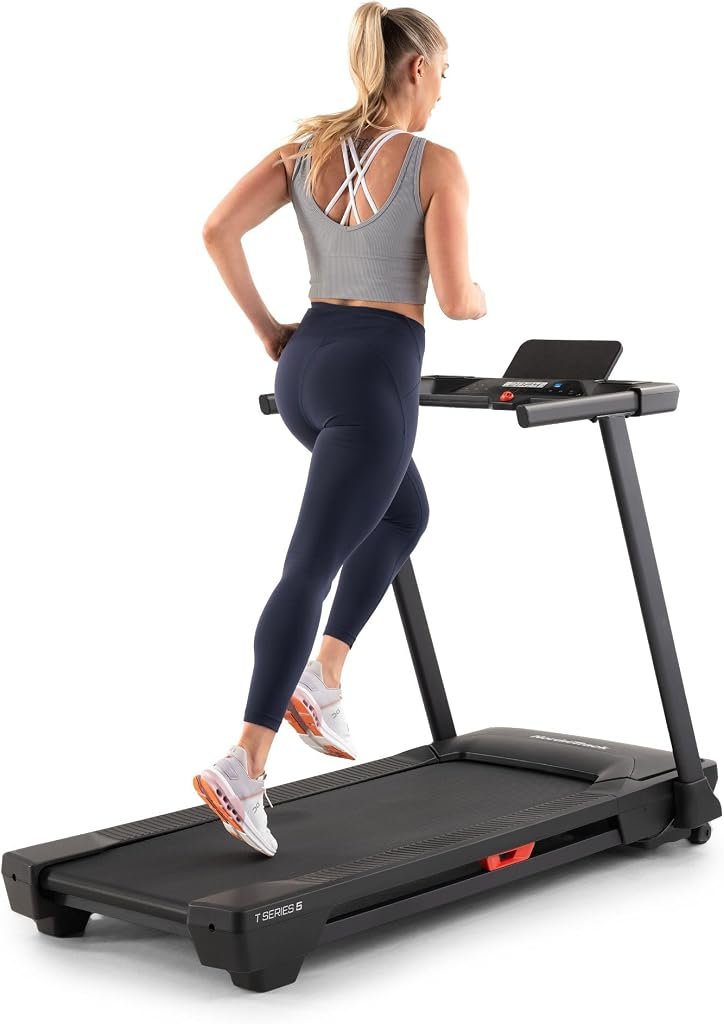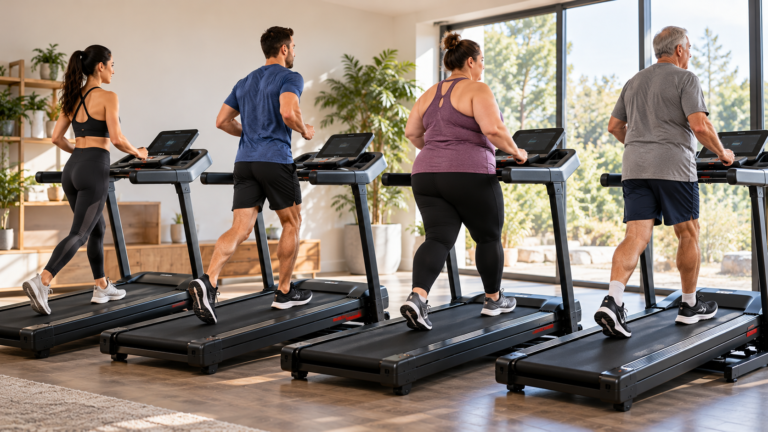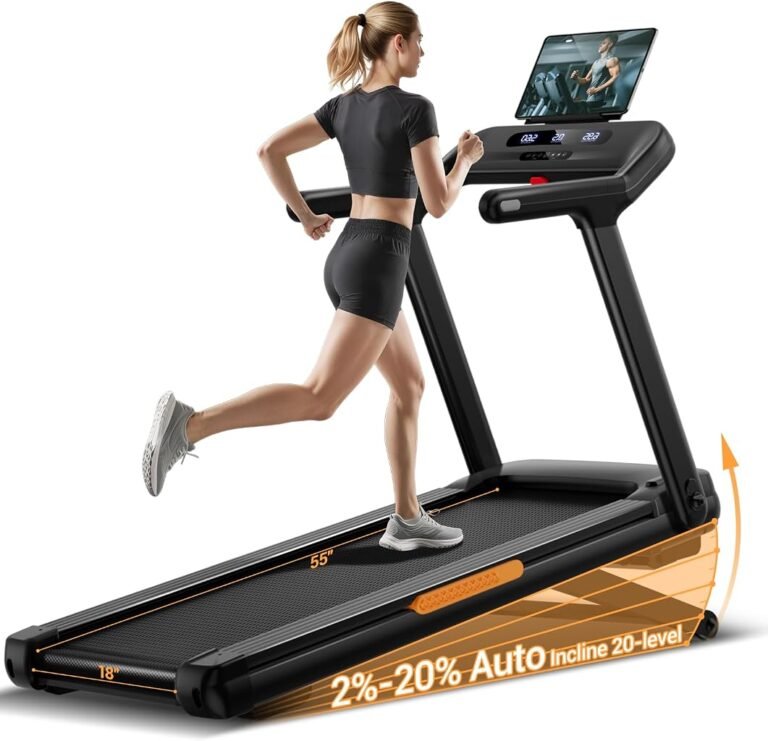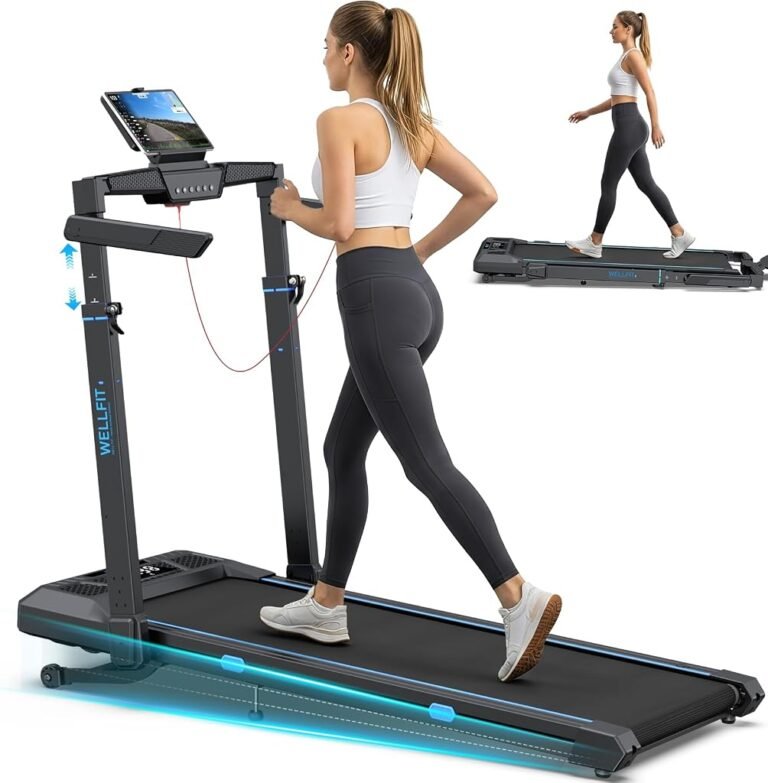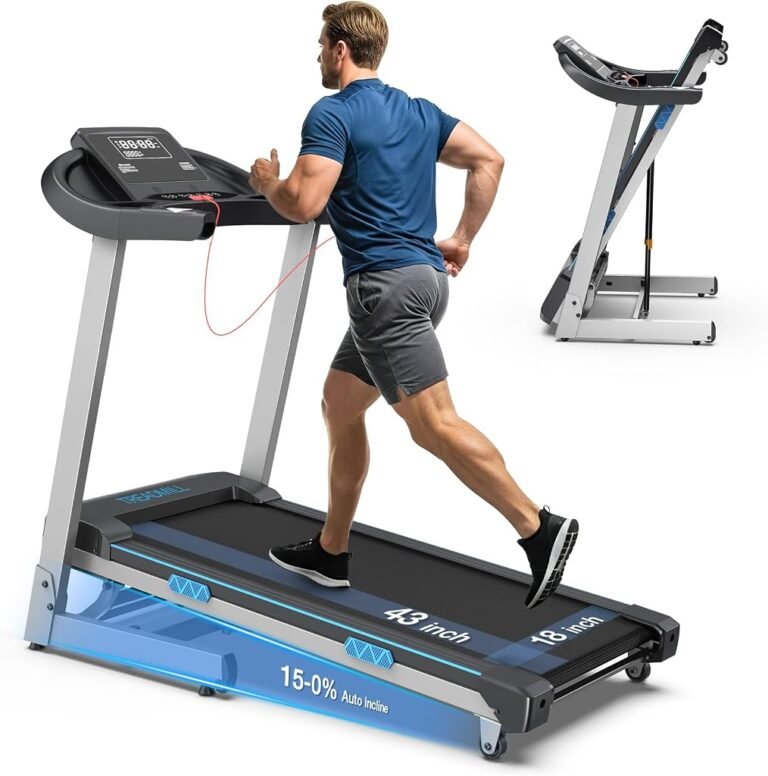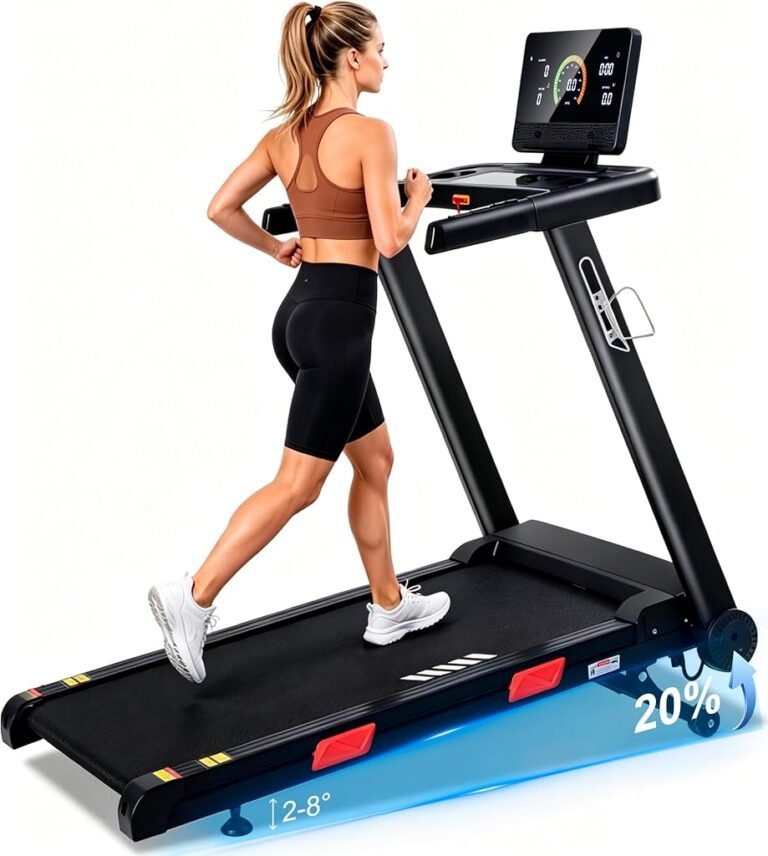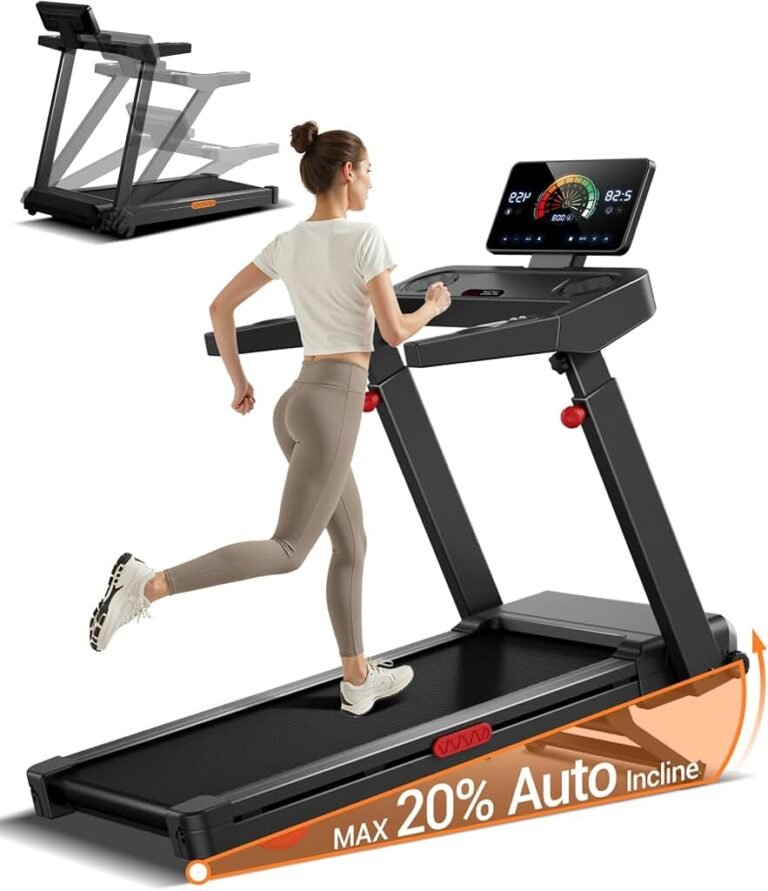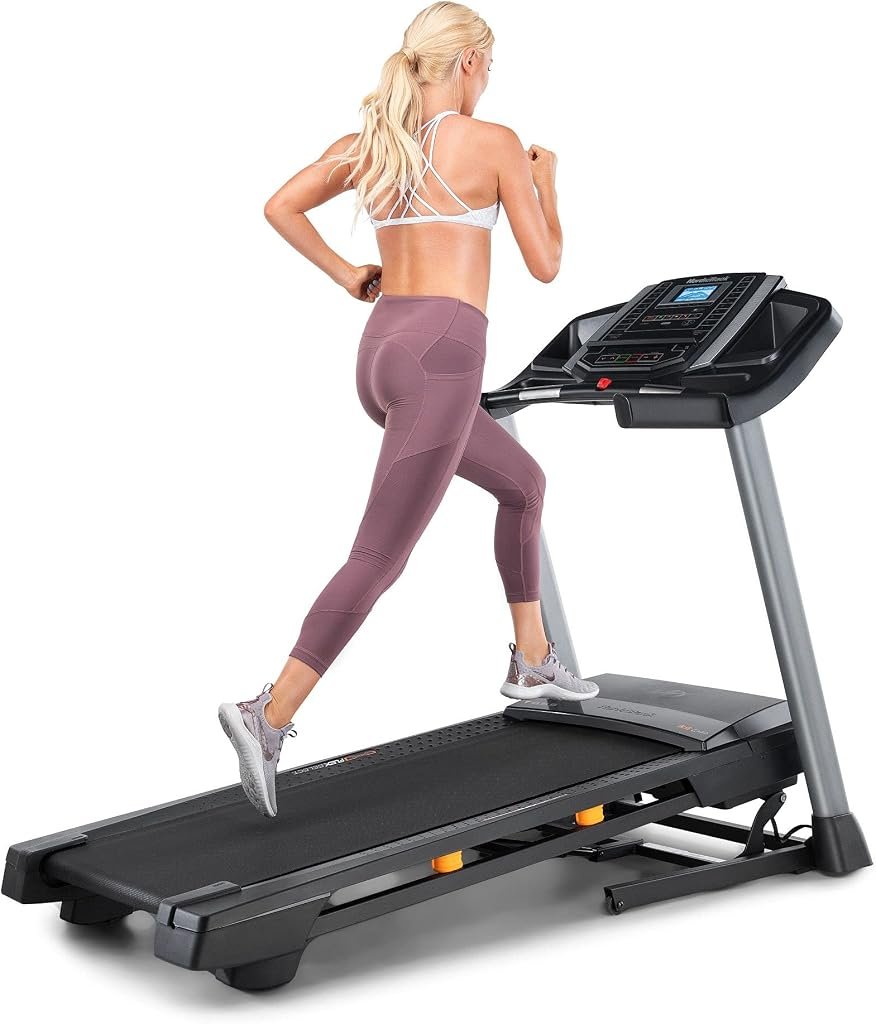
The NordicTrack T Series sits in an interesting part of the home-treadmill market. It is neither a stripped-down walking machine nor NordicTrack’s most elaborate treadmill family. Its purpose is more practical: deliver a full-size running platform, meaningful incline capability, folding storage, connected training, and enough performance for a broad mix of walkers and runners without moving into the company’s higher-priced Commercial or incline-focused ranges.
There is one complication for anyone researching the T Series by name: it is a family rather than a single immutable treadmill. NordicTrack has sold several T Series configurations over the years, and the current lineup varies by market. In the United States, NordicTrack’s current T Series page prominently compares the T Series 10 and T Series 16. Other regional lineups include additional versions.
For that reason, this review centers its detailed hardware assessment on the current T Series 10, the model that most clearly represents the mainstream proposition of the range. NordicTrack currently specifies a 10-inch tilting HD touchscreen, 3.0 CHP motor, 0–12 mph speed range, 0–12% incline, 20-by-60-inch running belt, folding frame, SelectFlex cushioning, AutoBreeze fan, Bluetooth connectivity, speakers, and a 325-pound user capacity.
Our score is 8.4/10. Customer Sentiment is 8.06, Buyer Confidence is 9.8, and Value is 8.03. Those figures describe a treadmill with a convincing overall specification and unusually high confidence in its buyer fit, while leaving enough distance below a near-perfect score to acknowledge the subscription-centered software model, moderate rather than extreme incline range, and the fact that heavier-volume runners have credible reasons to look farther up the market.
A Treadmill Built Around the Middle of the Market
The T Series 10 is easiest to understand by considering what it does not attempt to be.
It is not a tiny walking pad. Its 20-by-60-inch running area is a conventional running-oriented size, giving users considerably more longitudinal space than compact walking machines. It is not an extreme hill trainer either: incline stops at 12%, with no negative decline range specified on the current model. Nor is it a bare console attached to a motor and belt. The 10-inch touchscreen and iFIT integration are central to its identity.
That combination makes the T Series unusually broad in intended use.
A household can use the same machine for walking, steady jogging, ordinary running, moderate hill work, and app-guided sessions. The deck folds, reducing the amount of permanent floor area demanded when the treadmill is idle.
NordicTrack lists the current T Series footprint at 75.1 inches long, 34.3 inches wide, and 58.4 inches high. The company also specifies an in-box weight of 250 pounds. Folding therefore improves storage efficiency, but this remains substantial exercise equipment rather than something that disappears into a closet.
That distinction matters in apartments and multipurpose rooms. “Foldable” can create an unrealistic mental image of portability. The T Series is better understood as a full-size treadmill whose deck can be raised to reclaim some floor space.
Our 8.4/10 Score Reflects a Strong but Specific Proposition
An 8.4/10 rating places the NordicTrack T Series firmly in the very-good category.
The rating is driven by balance rather than dominance in one specification. A 12 mph maximum speed covers anything from slow walking through a five-minute-mile belt pace. The 12% incline gives walkers and runners enough elevation range for sustained climbing and hill intervals. The 60-inch-long running area provides room for longer strides. Folding improves its suitability for residential environments.
The 10-inch touchscreen also gives the T Series 10 a more integrated training interface than treadmills that expect users to supply a phone or tablet.
Yet 8.4 rather than a score in the nines is deliberate.
The software experience is closely tied to iFIT. NordicTrack states that a paid iFIT Pro subscription and Wi-Fi are required for full content and features, with the membership automatically renewing unless canceled in advance.
That changes the value calculation. A buyer interested primarily in manual running is paying for hardware designed around a connected ecosystem. Someone who expects to use guided workouts, automatic adjustments, training data, and entertainment can extract far more from the same console.
The hardware and software are therefore difficult to judge independently.
The 3.0 CHP Motor Is Sensible for the Intended User
NordicTrack specifies a 3.0 CHP motor for the T Series 10.
Motor numbers are frequently overused in treadmill marketing because a single horsepower figure does not reveal cooling behavior, control quality, component durability, responsiveness, noise, or long-duration performance. Still, the rating gives useful context.
A 3.0 CHP drive system places the T Series 10 in credible running territory rather than restricting it to casual walking.
Independent testing provides some useful perspective. TreadmillReviews.com’s physical evaluation characterized the T Series 10 as better suited to walking and lower running mileage than to hours of daily running. The same testing measured a 47-second transition from 0% to 12% incline and described the change as relatively slow but stable.
That is a meaningful limitation for one specific audience: runners who structure sessions around rapid, repeated incline changes.
For ordinary steady running, walking, progressive incline workouts, and less aggressive intervals, the issue is far less consequential.
The Running Surface Is One of the Stronger Practical Features
The current T Series 10 uses a 20-by-60-inch belt.
Those dimensions matter more than a long feature list because the running area affects every stride.
A 60-inch deck gives runners more fore-aft room than compact treadmills designed mainly for walking. The 20-inch width is not unusually expansive, but it provides a conventional running lane without making the machine excessively wide for residential use.
The resulting design compromise is sensible: enough running surface for legitimate running while keeping overall width at 34.3 inches.
Independent reviewers have also treated the deck dimensions as suitable for running. TreadmillReviewGuru’s physical assessment described the 20-by-60-inch surface as spacious and paired it with the 3.0 HP motor when evaluating the machine’s running capability.
There remains a distinction between being capable of running and being optimized for very high weekly mileage. The T Series 10 makes more sense as an all-purpose household treadmill than as a dedicated indoor platform for a high-volume marathon program.
SelectFlex Cushioning Adds Choice, With a Qualification
NordicTrack equips the T Series with SelectFlex cushioning. The company describes the system as allowing adjustment between softer and firmer cushioning preferences.
The concept is useful because treadmill users do not necessarily want the same deck sensation.
A walker may prefer more compliance. A runner accustomed to outdoor pavement may prefer a firmer response. Giving the user some influence over deck feel is therefore more thoughtful than assuming one cushioning level suits every stride.
Independent testing, however, introduces a useful qualification. TreadmillReviewGuru reported that the difference between the cushioning settings was subtle during its testing.
That does not make SelectFlex irrelevant. It means buyers should not interpret adjustable cushioning as a radical transformation between two entirely different running surfaces.
Our assessment treats it as a worthwhile refinement, not the primary reason to choose the machine.
The 12% Incline Is Useful Without Becoming Extreme
Incline is one of the T Series’ better training tools.
NordicTrack specifies a range from 0% to 12%.
For walking, that is enough to move from level aerobic exercise into demanding uphill work without relying on very high belt speeds. For runners, 12% provides substantial headroom for hill intervals even though sustained running at the upper end will be unnecessary for many users.
The limitation is equally straightforward: there is no negative decline range on the current T Series 10 specification.
Buyers preparing specifically for routes containing substantial downhill sections will find more varied gradient simulation elsewhere. For mainstream home exercise, however, 0–12% is broad enough to make incline a genuine training variable rather than a token feature.
The machine’s ability to change incline automatically through compatible iFIT workouts also alters how the feature is experienced. Instead of repeatedly pressing controls, the treadmill can follow programmed terrain when the relevant subscription features are active.
The 12 MPH Maximum Is More Than Most Households Need
Twelve miles per hour corresponds to a five-minute-mile pace.
NordicTrack itself describes that relationship on the T Series page while noting that the pace is estimated from maximum belt speed under controlled conditions and that user experience can vary.
The significance is not that every owner should run at 12 mph.
Most will not.
The benefit is headroom. A treadmill with a higher ceiling can accommodate faster intervals, progression over time, and multiple household users with different abilities.
For walking and moderate jogging, the upper half of the speed range may barely be touched. For runners performing short intervals, 12 mph provides considerably more scope.
The more relevant question for advanced athletes is not whether the belt can momentarily reach 12 mph, but whether the complete machine suits the duration, frequency, and transition demands of their training. That is where the T Series’ mainstream positioning becomes more apparent.
The 10-Inch Touchscreen Is Functional Rather Than Cinematic
Large screens have become a major point of differentiation in connected fitness equipment. The T Series 10 takes a restrained approach with a 10-inch tilting HD touchscreen.
The screen is large enough to display workout controls and video training without turning the console into an enormous display structure.
Tilting is particularly useful. Off-treadmill iFIT sessions such as strength or yoga can be easier to follow when the screen angle changes rather than remaining fixed toward a runner standing on the belt.
The T Series 16 exists for buyers who place greater value on display size. NordicTrack lists that model with a 16-inch screen while retaining many of the family’s core characteristics.
That makes the T Series 10 the more restrained interpretation: enough screen to make connected training practical without making display size the machine’s defining feature.
iFIT Is Both the Main Strength and the Main Constraint
The T Series makes the most sense when its software strategy is understood before purchase.
NordicTrack advertises access to more than 10,000 iFIT workouts, along with trainer-following adjustments, SmartAdjust, ActivePulse with compatible heart-rate hardware, data synchronization, and available streaming services.
This can reduce the amount of manual intervention during structured workouts. Instead of memorizing incline and speed changes, the machine can adjust them according to the session.
For users who enjoy guided programming, this is a substantial part of the treadmill’s identity.
For users who do not want another recurring subscription, it is the clearest drawback.
NordicTrack explicitly states that full equipment content and features require a paid iFIT Pro subscription and Wi-Fi.
That should be treated as an ownership-cost question rather than a minor software footnote.
A treadmill can remain in a home for years. Recurring software costs accumulate differently from the one-time purchase price. Buyers should therefore judge the T Series as a combination of physical treadmill and optional connected service rather than assuming every console feature operates independently forever.
Folding Helps, but This Is Not a Lightweight Machine
SpaceSaver folding is one of the T Series’ most practical household features.
NordicTrack states that the T Series treadmills fold and can be rolled away to reduce their spatial impact between workouts.
That can make a meaningful difference in a spare bedroom, combined office and gym, or other shared room.
Still, the 75.1-inch operating length and 250-pound boxed weight give the machine a substantial physical presence.
The folding mechanism reduces the amount of floor consumed by the extended deck; it does not turn the treadmill into portable furniture.
Potential owners should measure the route into the home, operating location, ceiling clearance where relevant, electrical access, and safe clearance around the treadmill before purchase.
Among the best treadmills for home use, foldability is most useful when it genuinely changes how a room functions after exercise. If the treadmill will remain permanently unfolded in a dedicated gym, that advantage carries less weight.
Customer Sentiment: 8.06
Our Customer Sentiment score of 8.06 is positive without suggesting universal enthusiasm.
That is appropriate for a machine with a strong mainstream feature set but several characteristics that naturally divide buyers.
The folding design, full-size running area, incline capability, connected training, and integrated display make the T Series easy to understand as a multipurpose household treadmill.
The points of friction are equally identifiable. The software ecosystem carries recurring costs for full functionality. Some independent testing has found incline changes slower than ideal for rapid interval work. Other testing has found the difference between cushioning settings relatively subtle.
An 8.06 sentiment rating therefore describes a product whose strengths are meaningful but whose ownership model needs to match the buyer.
Buyer Confidence: 9.8
Buyer Confidence is the highest of our editorial measures at 9.8.
That score reflects clarity more than perfection.
NordicTrack publishes detailed specifications for the current T Series, including dimensions, belt size, capacity, speed, incline, motor information, software requirements, and warranty coverage.
Independent reviewers have also physically tested the T Series 10, providing additional context around running feel, cushioning, incline transitions, folding, and software behavior.
The product’s intended audience is therefore unusually easy to define.
Walkers, developing runners, mixed-use households, and users attracted to guided connected training have a logical reason to consider it. Heavy-volume runners, buyers seeking decline training, and people strongly opposed to subscription-centered fitness software have equally clear reasons to compare alternatives.
High buyer confidence does not mean the treadmill is appropriate for everyone. It means the trade-offs are identifiable before purchase.
Value: 8.03
Our Value score is 8.03.
The T Series delivers meaningful hardware: a 60-inch running deck, 12 mph speed ceiling, 12% incline, folding frame, touchscreen, adjustable cushioning system, fan, speakers, Bluetooth support, and a 325-pound capacity on the current T Series 10.
The value question becomes more complicated once software is considered.
A buyer who actively uses iFIT can extract more functionality from the touchscreen, automatic adjustments, guided workouts, heart-rate-linked features, and connected training environment.
A buyer who plans to run manually while watching a television across the room may be paying for an ecosystem that adds relatively little to the intended routine.
That distinction keeps Value at 8.03 rather than pushing it closer to Buyer Confidence.
Who Should Consider the NordicTrack T Series?
The strongest fit is a household wanting one treadmill to cover several forms of exercise.
It is particularly well aligned with:
- Walkers who want meaningful incline capability.
- New and intermediate runners who need a full-length deck.
- Households with multiple users and different workout preferences.
- People who value guided training and automatic speed or incline changes.
- Users who need a folding deck to reclaim some room space.
- Runners who mix outdoor mileage with indoor training.
- Buyers who prefer an integrated screen rather than mounting a separate tablet.
Its broad range is the attraction. One user can perform a moderate incline walk while another can run intervals at substantially higher speeds.
Who Should Look Elsewhere?
The T Series is less convincing for several clearly defined buyers.
High-mileage runners who expect lengthy daily indoor sessions may prefer a machine built more explicitly around heavy running volume. Independent physical testing has reached similar reservations about using the T Series 10 as a primary platform for demanding marathon-level indoor mileage.
Buyers wanting downhill simulation will also need another model because the current T Series incline specification begins at 0%.
The third group is software minimalists.
If the desired treadmill experience is simply speed, incline, elapsed time, and manual control, a large portion of the NordicTrack proposition loses relevance. The hardware still functions as a treadmill, but the connected interface becomes less valuable when its richer capabilities are deliberately left unused.
The Most Meaningful Strengths
Several strengths survive closer scrutiny.
The 20-by-60-inch running surface is large enough to make the T Series 10 a credible running treadmill rather than an enlarged walking machine.
The 12 mph maximum speed provides enough range for walking, jogging, steady running, and fast intervals.
The 12% incline offers substantial climbing resistance without forcing users to increase speed.
The folding design addresses one of the central problems of owning a full-size treadmill at home: what happens to the room when exercise ends.
The integrated touchscreen and iFIT compatibility create a structured training environment for buyers who want coaching and automatic adjustment.
And SelectFlex cushioning at least gives users some influence over deck feel, even if independent testing suggests the difference can be subtle.
None of these features is remarkable in isolation. Their coexistence on one mainstream model is what gives the T Series its appeal.
The Drawbacks Deserve Equal Weight
The first drawback is recurring software cost for buyers who want full use of the connected feature set.
The second is specialization. The T Series covers a broad range of ordinary home exercise well, but serious high-volume runners can justify heavier-duty alternatives.
The third is gradient range. Twelve percent is useful, but users specifically training for aggressive mountain profiles may want greater incline and decline capability.
The fourth is physical size. Folding helps with storage, yet the machine still requires planning, delivery access, and a substantial operating footprint.
Finally, buyers should resist treating the touchscreen as equivalent to an unrestricted tablet. Its greatest usefulness is tied to the treadmill’s supported software environment.
Final Considerations
The NordicTrack T Series earns its 8.4/10 overall score by being unusually coherent.
Its specifications make sense together. The 20-by-60-inch belt supports real running. The 3.0 CHP motor on the T Series 10 aligns with mainstream home use. The 12 mph ceiling leaves speed headroom. Twelve percent incline gives walkers and runners a meaningful climbing range. The folding deck addresses residential space. The touchscreen and iFIT integration turn the machine into a guided-training platform rather than a purely mechanical treadmill.
Our 8.06 Customer Sentiment score reflects a product with broad appeal but identifiable friction points. Buyer Confidence at 9.8 is exceptionally high because the machine’s capabilities, limitations, and intended audience can be defined with unusual precision. Value at 8.03 remains positive while acknowledging that subscription economics materially affect the ownership equation.
The T Series is strongest when purchased for what it actually is: a versatile, folding, connected treadmill for walking through regular home running.
It is less persuasive when asked to become something else. It is not the obvious machine for relentless high-mileage indoor training. It does not provide downhill simulation. It does not make much sense to pay for its connected design while actively avoiding connected fitness.
For the buyer whose priorities align with its design, however, the T Series occupies a productive middle ground between basic home treadmills and substantially more elaborate running machines.
That balance, rather than any single headline specification, is the reason it earns an 8.4/10 assessment.