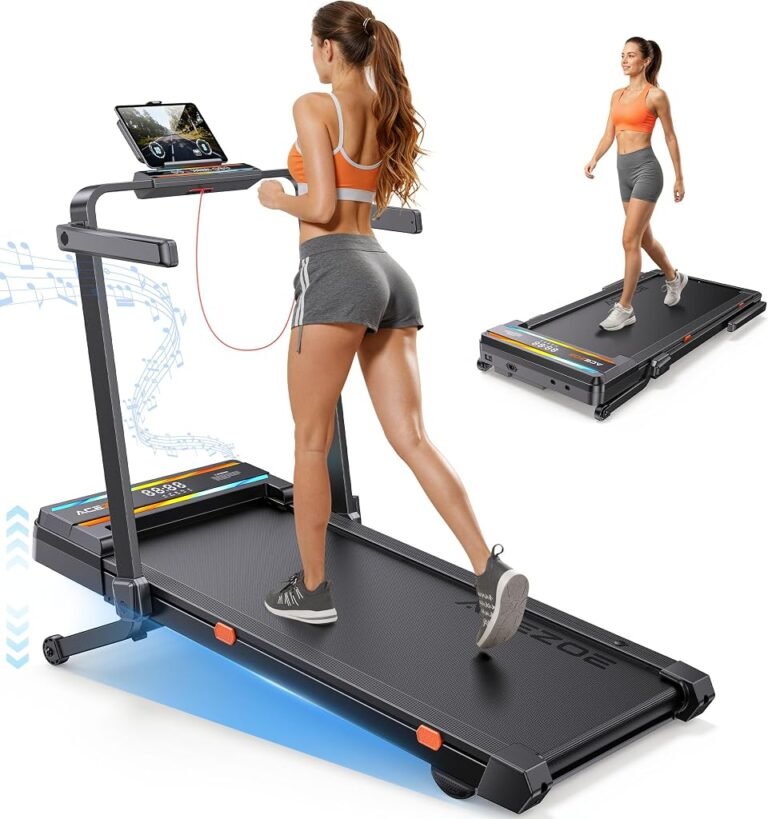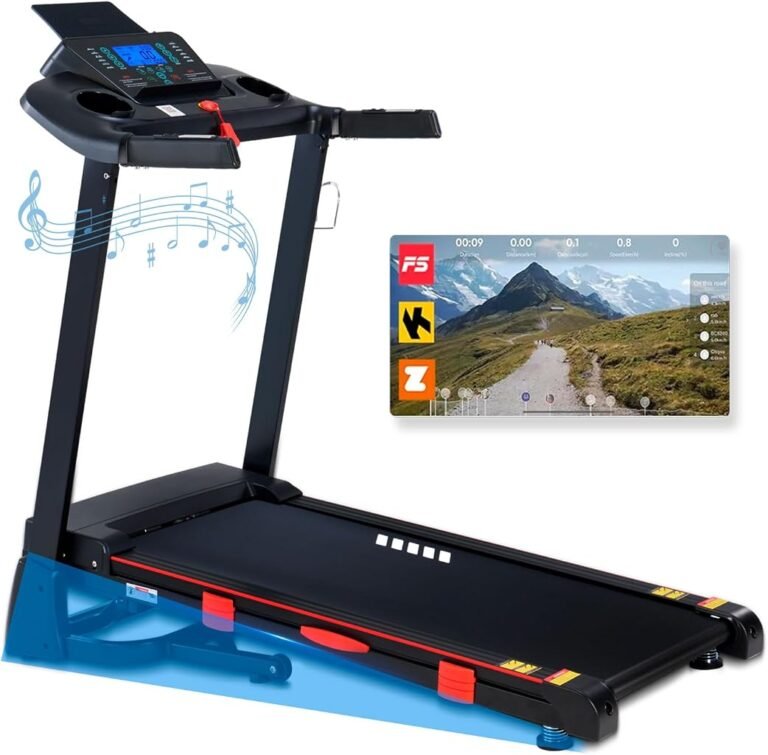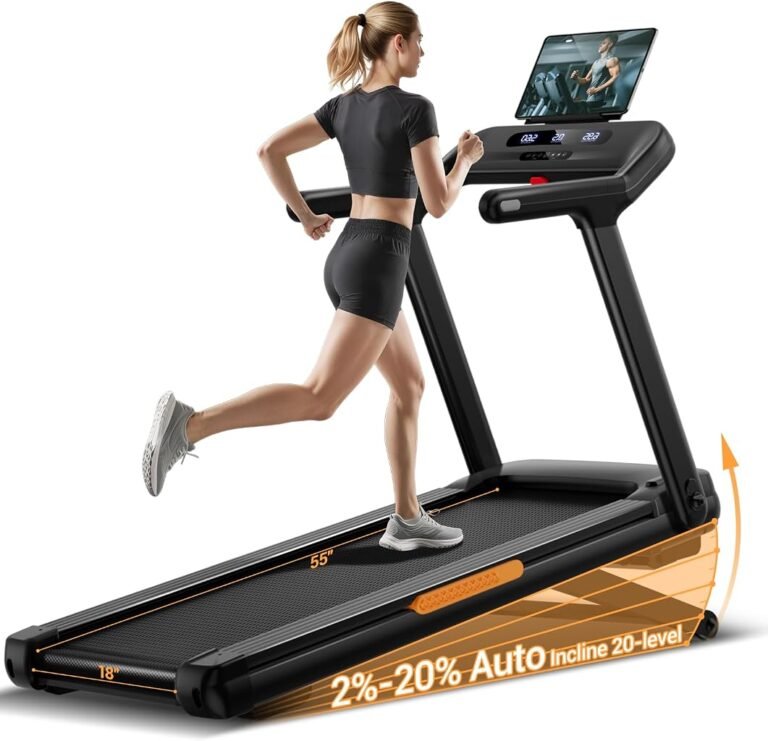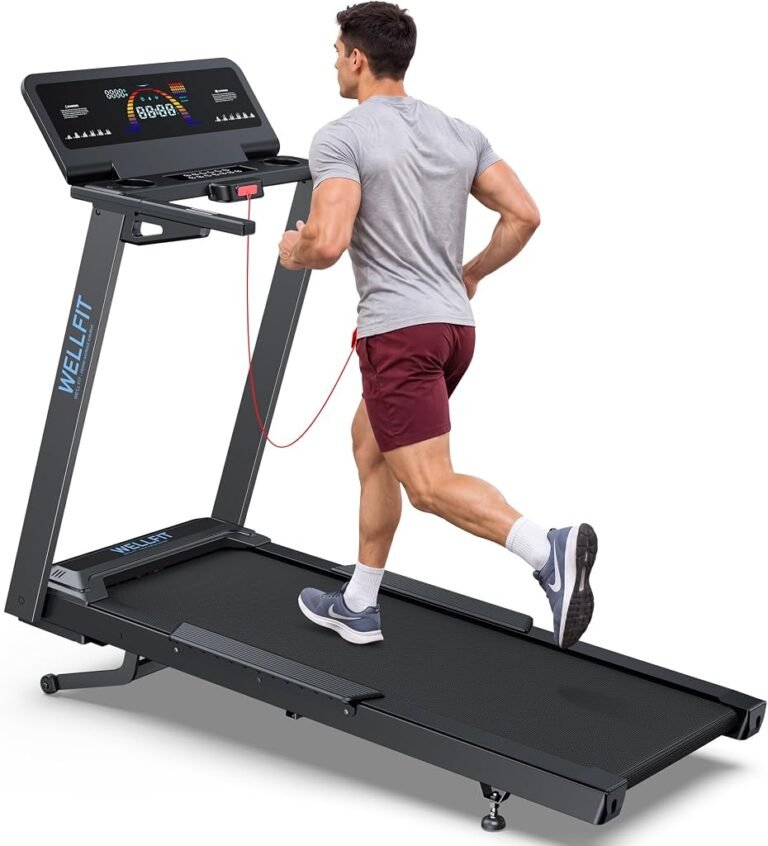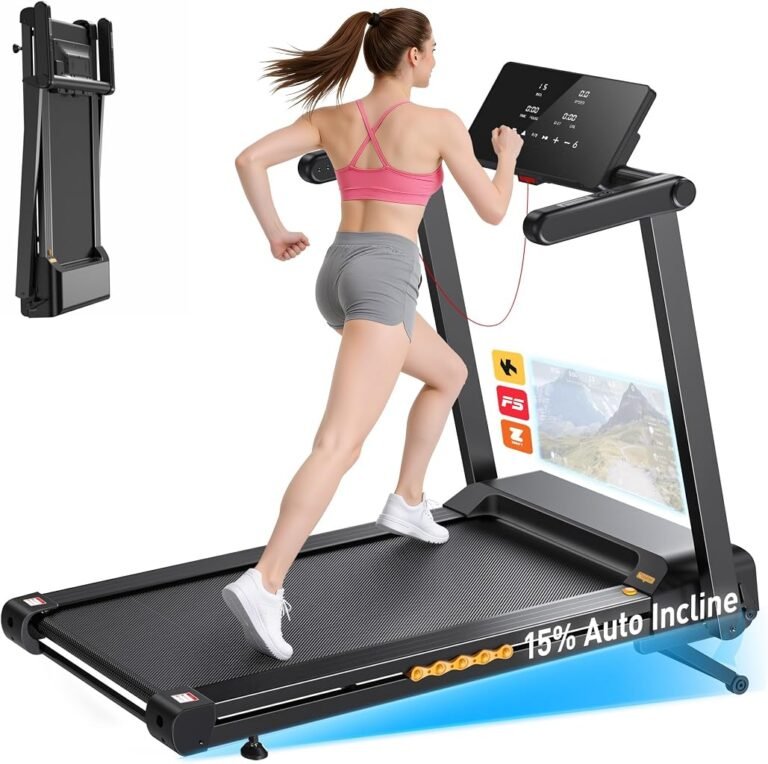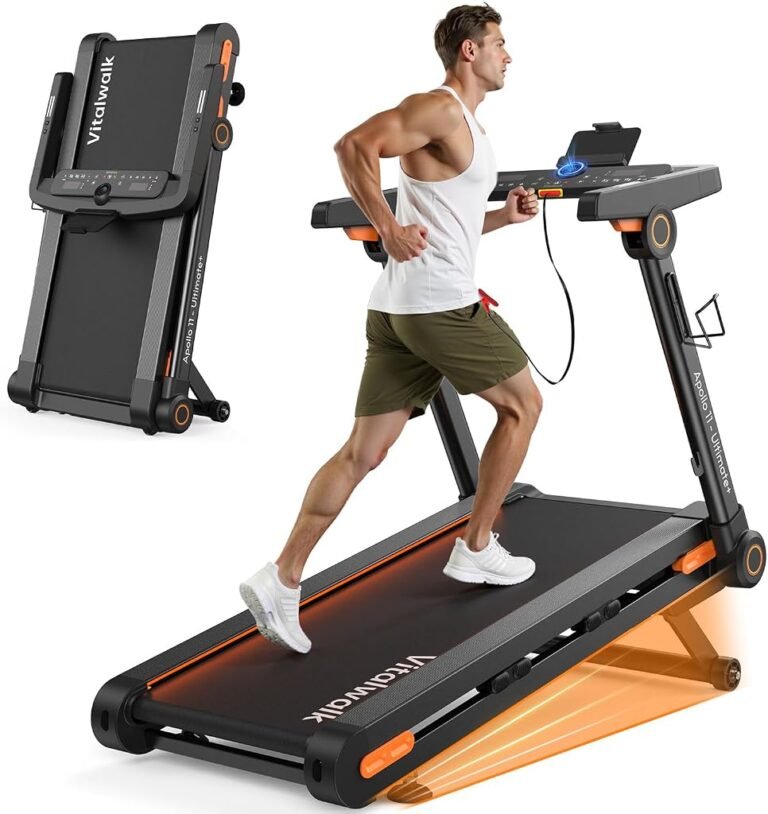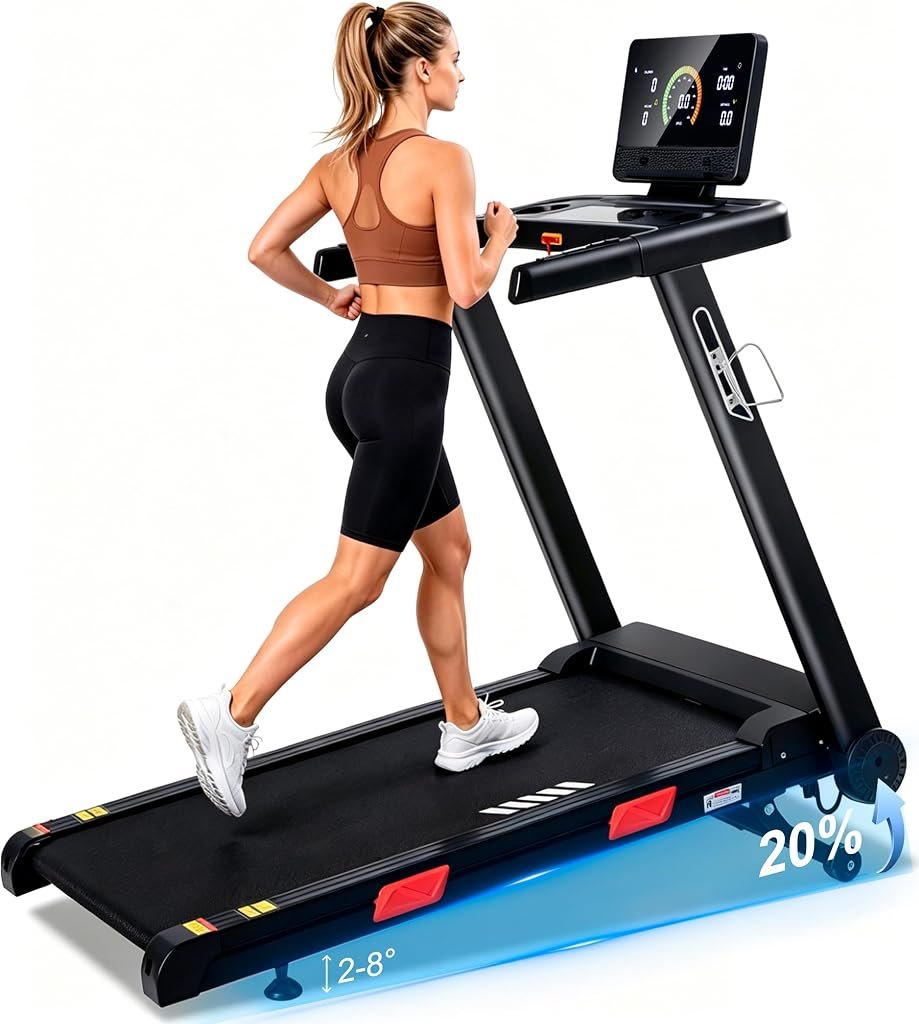
Home treadmills invite unusually shallow comparisons. Horsepower numbers are placed beside weight capacities, folding mechanisms beside incline percentages, and the largest figures are often allowed to dominate the discussion. That approach is convenient, but it rarely answers the question that matters most: whether the machine is well matched to the habits, body size, available space and training preferences of the person buying it.
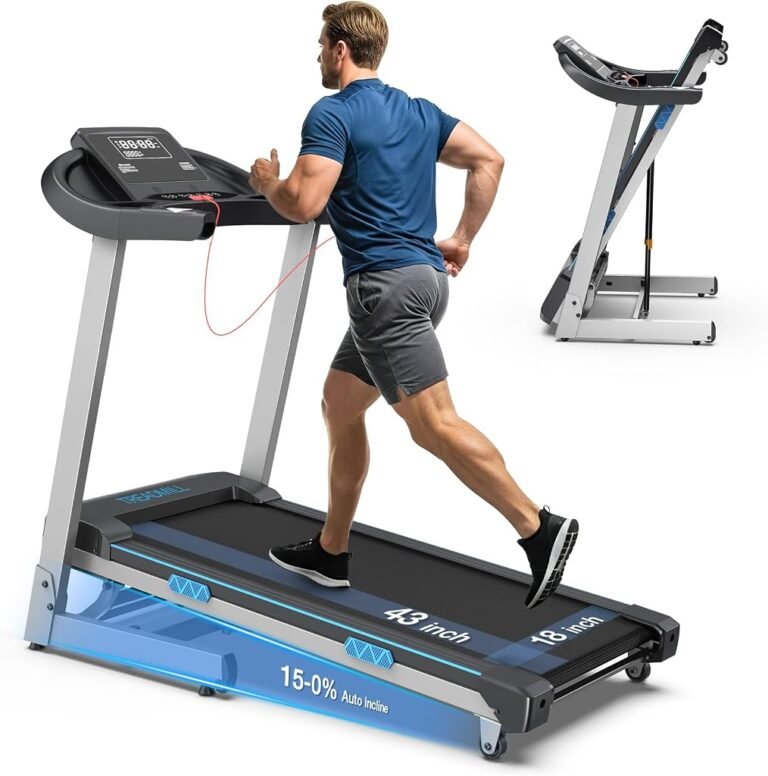
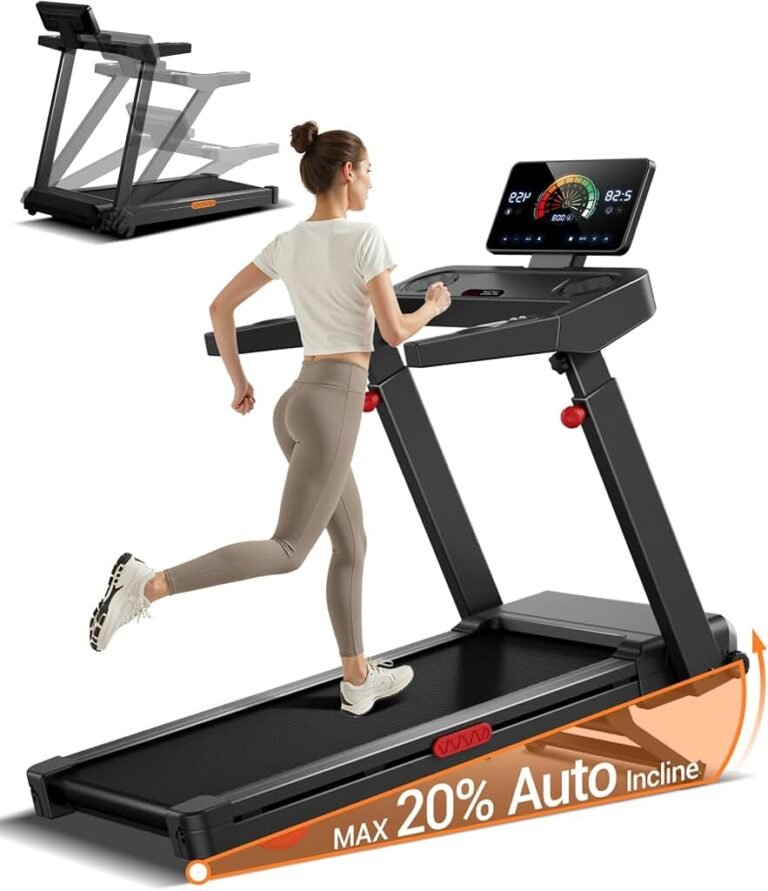
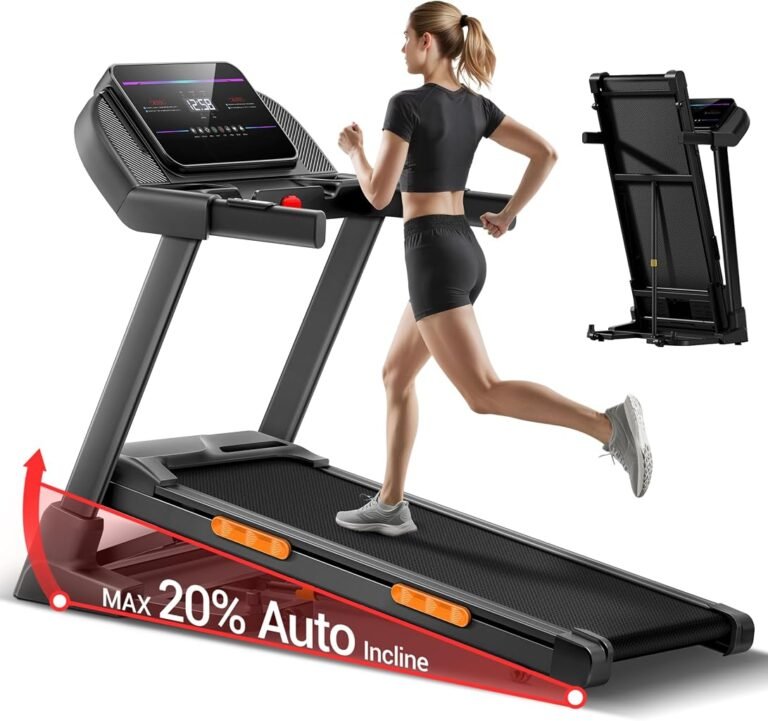
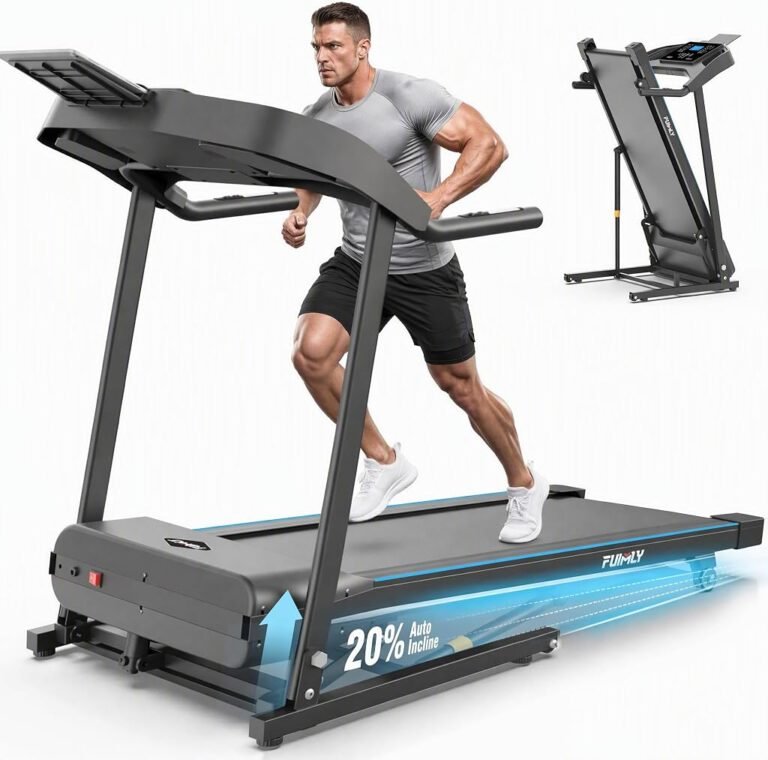
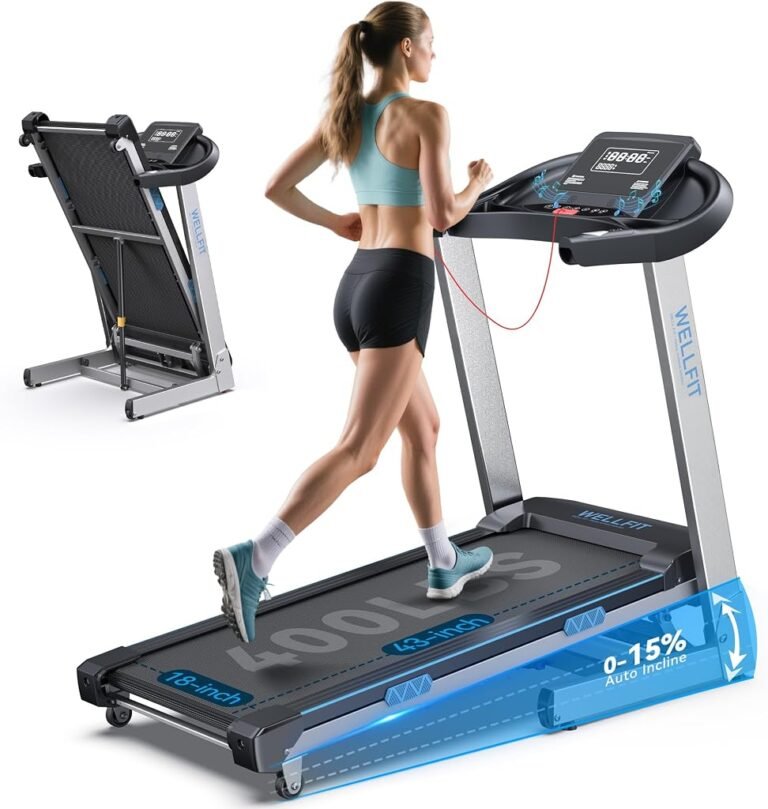
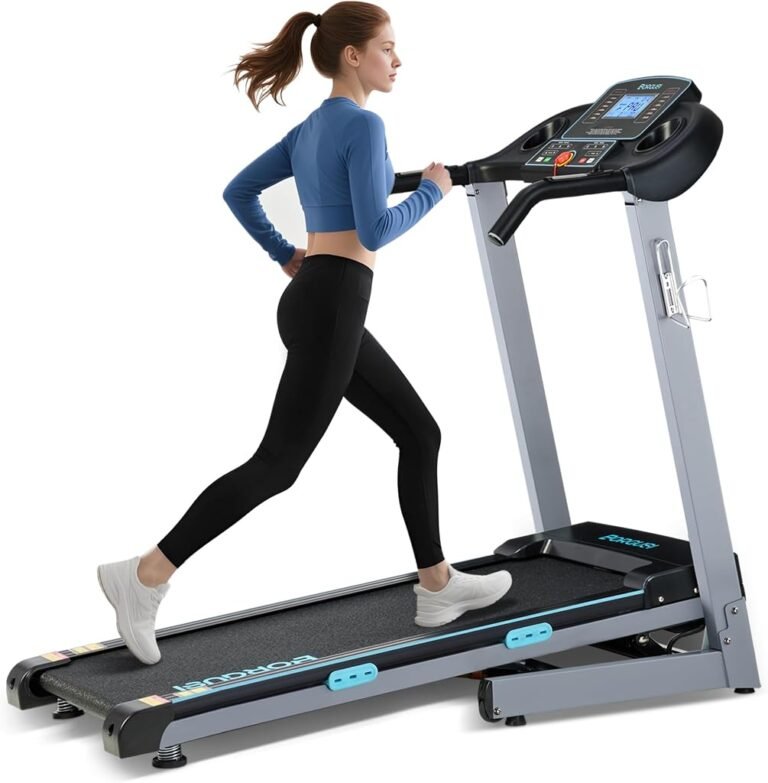
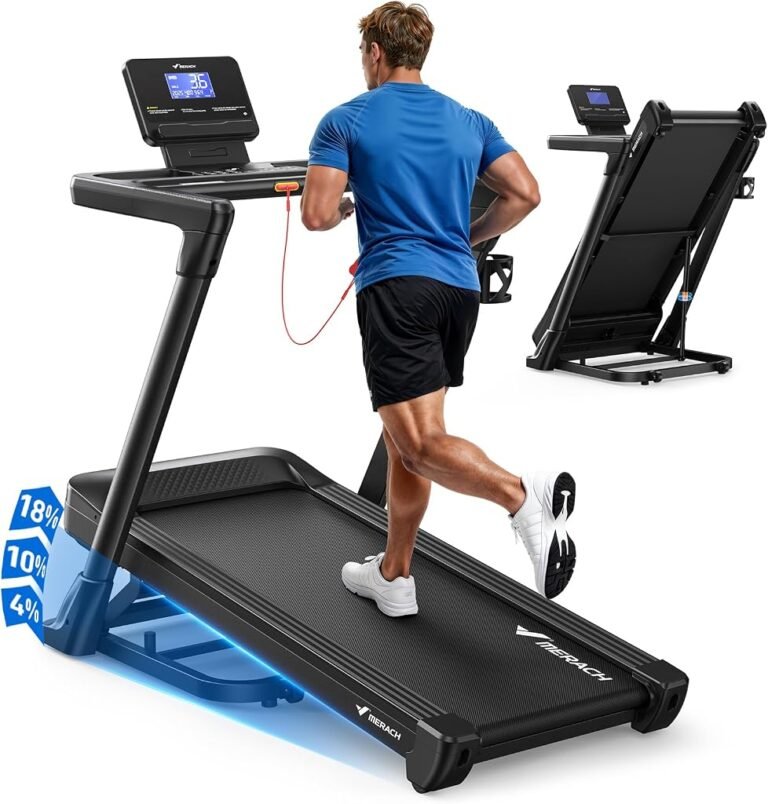
The treadmill examined here presents an interesting version of that problem. It carries a $419.99 price, a stated 400-plus-pound capacity, a 4.0 HP specification, a folding frame and automatic incline. Those attributes give it the outline of a serious home cardio machine rather than a minimalist walking pad.
Our score is 7.78/10. Customer Sentiment stands at 7.4, Buyer Confidence reaches 8.97, and Value is 7.67. Those figures create a revealing pattern. Confidence in the basic purchase proposition is high, while overall satisfaction and value are more restrained. That spread suggests a treadmill with several convincing fundamentals but also enough trade-offs to keep it out of the upper tier.
There is also an identity issue that deserves attention immediately. Although this review addresses the ATEEDGE Auto Incline Treadmill, the identifiable associated listing is branded WELLFIT and carries the title “WELLFIT Home Treadmill 400+LB Capacity, 4.0HP Heavy Duty Treadmill Foldable.” Buyers should therefore verify the current branding, seller and model on the live listing before assuming that ATEEDGE and WELLFIT refer to the same machine.
That distinction is not cosmetic. Treadmills are mechanical products with belts, motors, electronics, incline systems and replacement parts. Brand identity affects warranty claims, manuals, customer support and long-term service. A name mismatch deserves more scrutiny here than it would on a low-cost accessory.
The Core Proposition Is Straightforward
At $419.99, this treadmill attempts to combine several characteristics that many home users seek at once: higher weight support, meaningful motor output, automatic incline and folding storage.
That combination is attractive because the requirements often conflict. A treadmill intended to support heavier users benefits from a substantial frame. A treadmill intended to fold must still move and store with reasonable ease. An incline system adds mechanical complexity. A stronger motor adds cost and weight.
Bringing those characteristics together at this price creates the foundation for our favorable assessment.
The machine does not need to imitate a premium connected treadmill to make sense. Its appeal is more utilitarian. It is designed around the basic question of whether a household can obtain a treadmill with enough structural ambition for regular exercise without moving into a far more expensive category.
For many buyers comparing the best treadmills for home use, that is a more relevant question than touchscreen size or subscription integration.
A 400-Plus-Pound Capacity Changes the Buyer Pool
The stated 400-plus-pound user capacity is one of the machine’s most important specifications.
Weight limits are frequently treated as secondary numbers, but they determine who can reasonably consider a treadmill in the first place. A low-capacity machine can eliminate a large group of users regardless of how attractive its price or software features appear.
A stated capacity above 400 pounds gives this model broader relevance.
That said, a maximum user-weight figure should not be confused with a laboratory measure of long-term durability. It indicates the load the manufacturer states the treadmill can support. It does not, by itself, establish frame life, motor life, bearing durability or performance after years of repeated high-load use.
The distinction matters because “heavy duty” is often used loosely in consumer exercise equipment.
A more disciplined interpretation is that the 400-plus-pound rating provides a larger operating envelope than many compact treadmills and walking pads. Buyers who require that additional capacity have a legitimate reason to consider it. Buyers well below the limit still benefit from the fact that the machine was conceived around a higher load specification, although no unsupported inference about longevity should be drawn from that fact alone.
The 4.0 HP Figure Sounds Impressive, but Context Matters
The listing identifies the treadmill with a 4.0 HP specification.
Horsepower is one of the most widely marketed treadmill figures, yet it is also one of the most easily misunderstood. Consumers often assume that a higher number automatically means a faster, stronger or longer-lasting machine.
That conclusion cannot safely be made from the number alone.
Treadmill motor labeling can vary in how power is expressed, and a single horsepower figure does not describe cooling, controller behavior, torque characteristics or sustained performance under a particular user load. The number should therefore be treated as one component of the machine’s specification rather than as proof of commercial-level capability.
Still, the presence of a 4.0 HP claim fits the treadmill’s broader positioning. This is not being framed as a desk-side walking pad for low-speed use. It is presented as a fuller home treadmill intended for a wider range of workouts and users.
That is where the specification has value: it is directionally consistent with the machine’s stated weight capacity and heavier-duty positioning.
Automatic Incline Is More Than a Convenience Feature
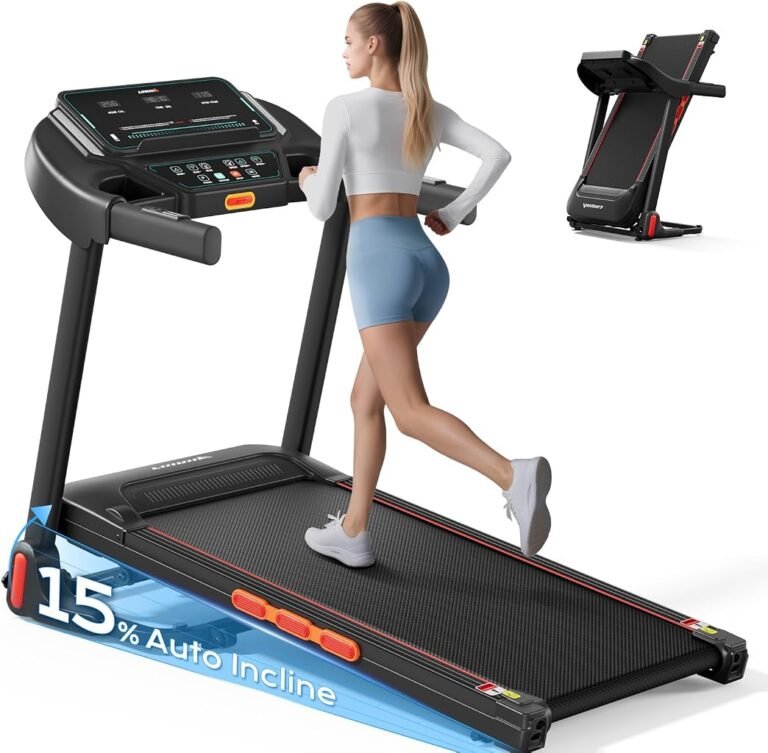
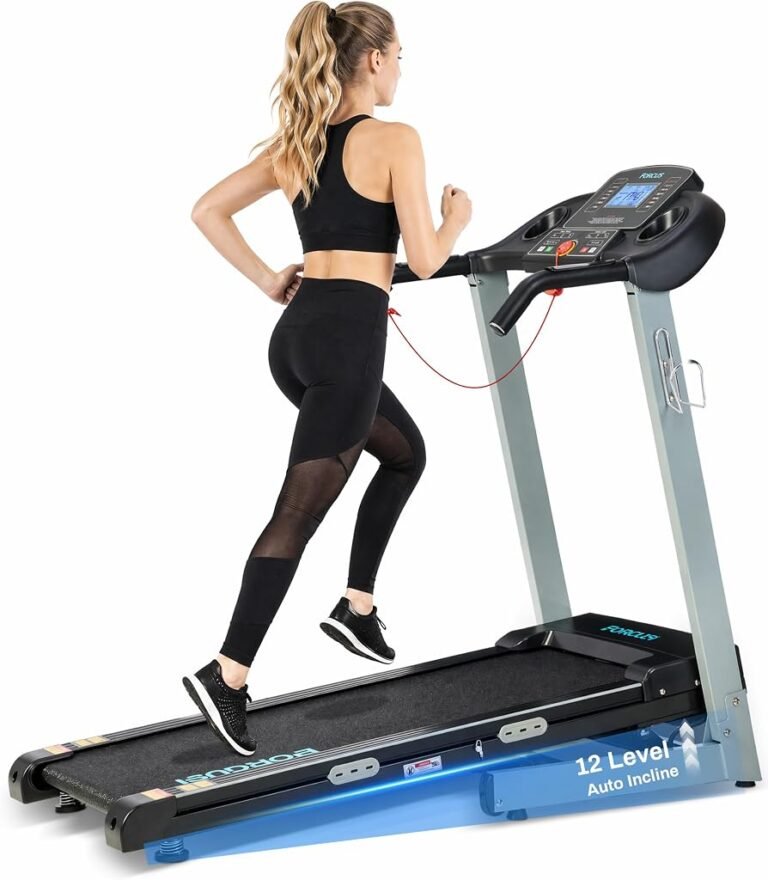
Automatic incline is the characteristic that gives the treadmill its most interesting training advantage.
A treadmill without incline can still support useful walking or running sessions, but grade adjustment expands the number of ways exercise intensity can be manipulated. A user can increase workload without relying exclusively on greater speed.
That matters because speed is not always the best progression tool.
The CDC explains that moderate-intensity aerobic activity is activity vigorous enough to increase breathing and heart rate, and it does not prescribe one universal walking speed for achieving that level. Individual conditioning changes the amount of effort required.
Incline provides another variable.
A person who finds faster walking uncomfortable may still be able to increase exertion by adding grade. Someone using interval training can alternate flatter recovery periods with uphill segments. Another user may simply prefer a steady uphill walk to jogging.
The American Heart Association offers a useful illustration. In its discussion of walking intensity, Barry Franklin, Ph.D., explained that slower walking uphill can create an energy cost similar to faster level walking. The article notes that walking at 2 mph with a 3.5% treadmill incline can match the energy cost of a faster pace. His advice on progression is concise: “But build up slowly.”
That phrase is particularly relevant to home treadmill owners. Automatic incline should be understood as adjustable training capacity, not as an invitation to maximize grade immediately.
Why Incline Matters for Consistency
The greatest practical advantage of automatic incline may be behavioral rather than mechanical.
Manual-incline treadmills require the user to stop and physically alter the deck position. That process discourages frequent changes. Automatic systems make grade adjustments part of the workout rather than part of setup.
This makes several training patterns easier to sustain.
A user can begin with level walking, raise the grade gradually, reduce it for recovery and repeat the cycle without leaving the belt. Another can use a moderate fixed incline for an entire session. More advanced users can alter speed and incline independently to vary intensity.
The broader significance lies in repetition.
Federal guidelines recommend at least 150 minutes of moderate-intensity aerobic activity per week for adults, along with muscle-strengthening activity on at least two days. The CDC notes that the 150 minutes can be spread through the week and broken into smaller portions rather than completed in one continuous session.
A home treadmill cannot create discipline, but it can lower several logistical barriers. Weather, darkness, unsafe sidewalks and travel time to a gym become less relevant. Automatic incline then adds enough variation to prevent every indoor walk from feeling mechanically identical.
That combination is more consequential than the feature list initially suggests.
Folding Construction Addresses a Real Household Problem
Treadmills are large objects with an unfortunate habit of consuming space even when nobody is using them.
A folding design reduces that problem.
In a dedicated home gym, folding may matter little. In a multipurpose room, apartment, guest room or office, it can determine whether a treadmill is practical at all.
The benefit should not be exaggerated, however. Folding does not make a treadmill disappear.
A machine designed around a 400-plus-pound user capacity and a fuller treadmill format will still require meaningful storage space. Buyers should measure both the exercise footprint and the intended folded location before ordering.
The path into the home deserves equal attention. Doorways, staircases, corners and elevators can become more relevant than product photographs suggest.
This is particularly true with heavier cardio equipment. Delivery geometry is rarely exciting, but it can become decisive.
The best treadmills for home use are not simply the machines that fit a room when fully assembled. They are the machines that can be delivered, positioned, used and stored without turning every workout into a furniture-moving exercise.
Our Score: 7.78/10
Our 7.78/10 rating places this treadmill in good territory.
That score reflects a product with a coherent set of practical specifications but enough reservations to prevent an 8-plus assessment.
The positive side is easy to identify. A 400-plus-pound stated capacity is substantial. The 4.0 HP claim aligns with a more serious home-use positioning. Automatic incline broadens the training options. Folding construction improves household practicality. The $419.99 price keeps the machine within reach of buyers who do not want to enter the four-figure treadmill market.
The reservations are equally real.
The branding discrepancy introduces friction into the purchase process. Product identity should be straightforward, particularly for equipment where warranty service and replacement parts matter. In addition, several headline specifications are appealing without independently proving durability or long-term performance.
A 7.78 therefore reflects a treadmill that makes sense on paper and has a strong functional proposition, but still demands a careful buyer.
Customer Sentiment: 7.4
Customer Sentiment is our lowest major rating at 7.4.
That figure is not poor, but the gap between 7.4 and the 8.97 Buyer Confidence rating deserves interpretation.
It suggests that the product proposition is easier to endorse than the overall ownership experience is to rate enthusiastically.
That distinction is common in mechanical home equipment. A treadmill can offer an attractive combination of specifications while still producing mixed reactions based on setup, noise, ergonomics, controls, size expectations or individual training preferences.
A 7.4 score indicates generally positive sentiment with enough friction to temper enthusiasm.
The useful editorial lesson is that this machine should be purchased for specific reasons. A buyer who genuinely needs higher weight support, folding storage and incline control has a stronger case than someone selecting it simply because several large numbers appear in the listing.
Fit matters more than specification accumulation.
Buyer Confidence: 8.97
Buyer Confidence is the strongest rating at 8.97.
That number indicates a high degree of confidence in the basic transaction when the machine matches the buyer’s priorities.
Why does Buyer Confidence sit so far above Customer Sentiment?
The answer lies in clarity of purpose.
The treadmill’s central attributes are easy to understand before purchase. It is positioned as a foldable home treadmill with automatic incline, a 4.0 HP rating and 400-plus-pound capacity at $419.99. Those are concrete characteristics rather than vague claims about lifestyle transformation.
A buyer can therefore make a relatively informed decision about whether the machine belongs on the shortlist.
The associated product listing should still be checked carefully for the current brand, seller, warranty language and specifications before ordering. Those details can change, and they matter more on a treadmill than on a low-cost consumer accessory.
Buyer Confidence being the highest score does not mean every buyer will love the machine. It means the proposition is relatively easy to evaluate and the reasons for buying it are clear.
Value: 7.67
Our Value rating is 7.67.
That score is positive, but less enthusiastic than Buyer Confidence because price alone does not determine value.
At $419.99, the treadmill appears competitively positioned for a machine claiming automatic incline, folding capability, 4.0 HP and support for users above 400 pounds.
Yet those features only create value when the owner uses them.
Someone who wants nothing more than light, level walking may be able to satisfy that need with a simpler machine. Someone who intends to perform structured incline workouts has a stronger reason to pay for automatic grade control.
Similarly, the higher user capacity has little financial significance for a buyer who does not require it, while it may be central for someone who does.
This is why the 7.67 Value score trails the 8.97 Buyer Confidence figure. The product is easy to understand, but its economic appeal varies sharply according to how much of its feature set is actually useful to the household.
What the Treadmill Gets Right
Several aspects of the design concept work well together:
- The 400-plus-pound capacity broadens the eligible user base.
- Automatic incline supports more varied workouts than a fixed or manual-grade treadmill.
- Folding construction addresses home-space constraints.
- The 4.0 HP positioning is consistent with a fuller treadmill rather than a minimalist walking pad.
- The $419.99 price stays below many premium home cardio machines.
- The machine offers a practical route to indoor walking regardless of weather or daylight.
The significance lies in the combination.
Any one of these attributes is common. Bringing them together at this price is what creates the treadmill’s appeal.
A buyer who wants a straightforward machine for regular walking, incline work and occasional harder sessions may see more functional relevance here than in a premium treadmill dominated by entertainment features.
That is not an argument against advanced displays or connected coaching. It is simply a reminder that exercise equipment should first solve the problem of exercise.
Where the Machine Requires More Scrutiny
The first issue is branding.
The treadmill is being reviewed under the ATEEDGE name, while the identifiable listing is associated with WELLFIT. Buyers should establish exactly which company is selling and supporting the machine before ordering.
The second issue is the temptation to overread headline specifications.
A 4.0 HP figure does not automatically prove commercial-level endurance. A 400-plus-pound rating does not independently establish frame life. Folding construction does not guarantee effortless storage.
Each specification answers one question, not every question.
The third issue is buyer purpose.
Dedicated runners should place particular emphasis on factors such as running-surface dimensions, high-speed stability, deck feel and sustained performance. Those characteristics cannot be inferred from weight capacity or horsepower alone.
The treadmill is easier to endorse as a flexible home cardio machine than as a specialized running platform.
Who Is Most Likely to Benefit?
The machine is most persuasive for buyers who want regular indoor walking and expect incline to form a meaningful part of their workouts.
It is also relevant for larger users who require a higher stated weight limit than many compact treadmills provide.
Households with limited permanent exercise space can benefit from the folding design, provided the folded dimensions fit the intended storage area.
Another strong audience is people who dislike running but still want progression.
Walking does not need to remain easy simply because speed stays moderate. Increasing incline raises workload without requiring a transition to jogging. That can make treadmill training accessible to users who prefer lower-impact movement patterns.
The American Heart Association’s endurance guidance recommends gradual progression for people returning to activity after sedentary periods. It suggests starting with 10 to 15 minutes and building up, then increasing difficulty once endurance improves.
That is a sensible way to use a machine with automatic incline: duration first, difficulty second.
Who Should Look Elsewhere?
The treadmill is less compelling for someone who has no interest in incline.
Automatic grade control is one of the machine’s defining advantages, and a buyer who rarely changes elevation is paying for capability that may sit unused.
Serious runners should also make a more specialized comparison. Running imposes different demands from walking, particularly in relation to stride length, deck geometry and high-speed stability.
Someone with a large dedicated gym may place less value on folding. Once storage flexibility ceases to matter, other machines may deserve consideration on purely performance-oriented grounds.
Finally, any buyer uncomfortable with the ATEEDGE/WELLFIT identity discrepancy should resolve that issue before purchase. Product support becomes much simpler when brand, seller and warranty responsibilities are clear from the beginning.
A More Useful Way to Judge Treadmill Intensity
Many users make the mistake of judging treadmill workouts by speed alone.
That is unnecessarily restrictive.
The CDC explains that aerobic intensity is fundamentally about how hard the body is working. Moderate activity raises breathing and heart rate, while vigorous activity requires substantially greater effort.
Incline changes that workload without necessarily changing pace.
The American Heart Association article featuring Franklin provides a practical test based on conversation. At a light pace, conversation is easy. At moderate intensity, talking is possible but more difficult. At vigorous intensity, carrying on a conversation becomes difficult.
That method is useful because it adapts to the person rather than forcing everyone into the same numerical target.
A fit user and a sedentary beginner can walk at identical speeds while experiencing very different levels of effort. Incline magnifies that difference.
This makes automatic grade adjustment one of the more meaningful features on the treadmill, provided it is used progressively.
How to Use the Machine More Intelligently
A home treadmill becomes more useful when the owner has a structure rather than simply turning it on and deciding what feels tolerable that day.
For many adults, the CDC’s 150-minute weekly target offers a workable framework. Those minutes can be divided throughout the week rather than completed in long sessions.
A beginner might therefore organize exercise around manageable blocks rather than ambitious single sessions.
The treadmill’s automatic incline can then be introduced gradually.
A simple progression might involve several weeks of comfortable level walking before modest incline segments are added. Later sessions can alternate incline and recovery periods, or maintain a moderate grade for longer stretches.
That approach also matches American Heart Association guidance on increasing exercise intensity gradually. One AHA statement advises inactive people to begin slowly, generally with walking, and increase volume and intensity as tolerance permits.
The point is not caution for its own sake. Progressive loading is what turns additional machine capability into useful training rather than unused specification.
Home Exercise Is Ultimately a Logistics Problem
One of the least glamorous truths about fitness equipment is that convenience often matters as much as sophistication.
The treadmill can be mechanically capable, attractively priced and feature-rich, yet still fail its owner if using it requires too much effort before the workout even begins.
This is where the combination of indoor access and folding storage earns its relevance.
A treadmill at home eliminates travel time to a gym. It removes weather from the decision. It permits exercise at unusual hours. A folding frame can reduce the penalty imposed on the rest of the room.
These are not fitness effects. They are logistical effects.
Yet logistical effects can determine whether exercise happens repeatedly.
The CDC frames adult physical activity around accumulation rather than rigid session length. Adults can break their weekly activity into smaller portions, and some activity is better than none.
A treadmill that is easy to access therefore has a practical advantage independent of its motor specifications.
Final Considerations
The ATEEDGE Auto Incline Treadmill presents a solid home-cardio proposition, but its branding deserves verification because the identifiable associated listing is branded WELLFIT. That issue should be resolved before purchase rather than treated as irrelevant.
Beyond that concern, the treadmill has a coherent set of strengths.
Its 400-plus-pound stated capacity broadens the potential user pool. The 4.0 HP specification supports its heavier-duty positioning. Automatic incline gives users a meaningful way to vary effort without relying entirely on speed. Folding construction improves practicality in shared living spaces. At $419.99, those features combine into a package that earns our 7.78/10 overall score.
The internal balance of the ratings is particularly revealing.
Customer Sentiment at 7.4 is positive but restrained, implying that ownership experiences are not uniformly enthusiastic. Buyer Confidence at 8.97 is considerably stronger, reflecting the clarity of the treadmill’s purpose and the ease with which its major features can be assessed before purchase. Value at 7.67 indicates a reasonable price-to-feature relationship, but not one that makes equal sense for every household.
The treadmill is most persuasive for users who expect to walk frequently, use incline regularly and benefit from a higher weight capacity. It also fits households where a permanently deployed treadmill would be inconvenient.
It is less persuasive for users who only need light flat walking, dedicated runners seeking specialized performance characteristics, or buyers who place little value on folding.
Among the best treadmills for home, the most useful machine is rarely the one with the largest number beside every specification. It is the one whose design removes the barriers most likely to interrupt exercise.
This treadmill addresses several of those barriers directly: body-weight accommodation, indoor accessibility, adjustable workload and storage practicality. That gives it a credible position at $419.99, provided the buyer verifies the exact brand and model before committing.