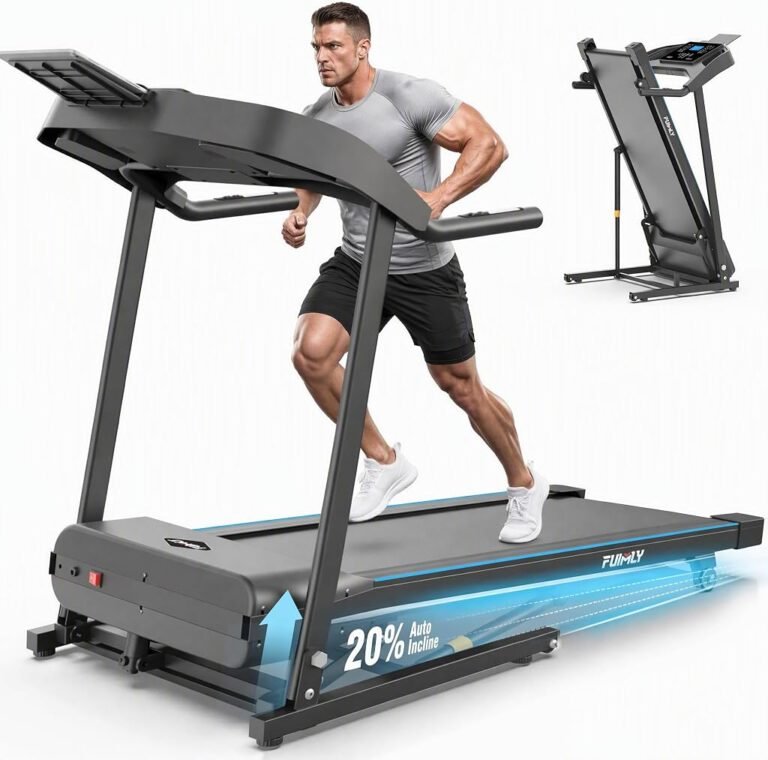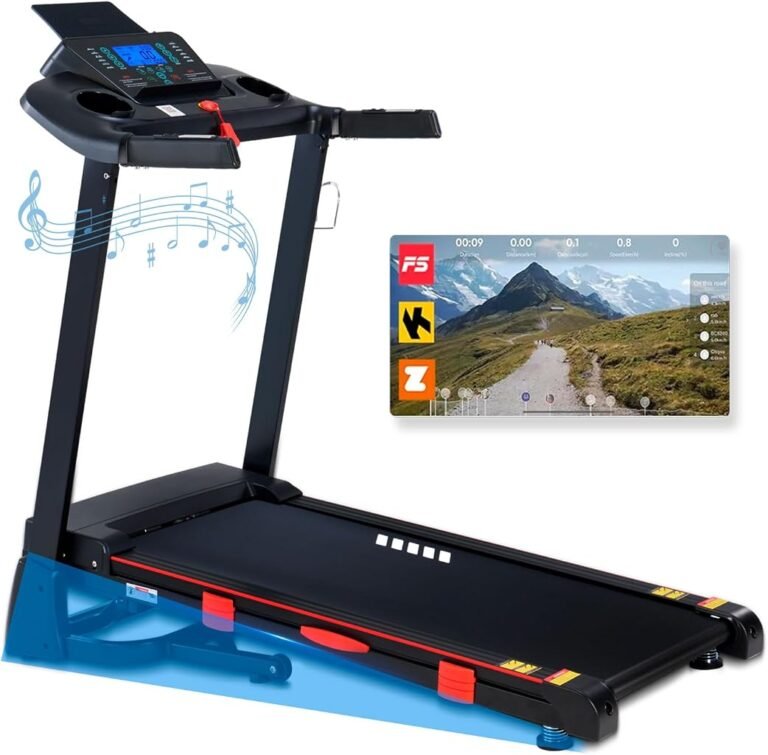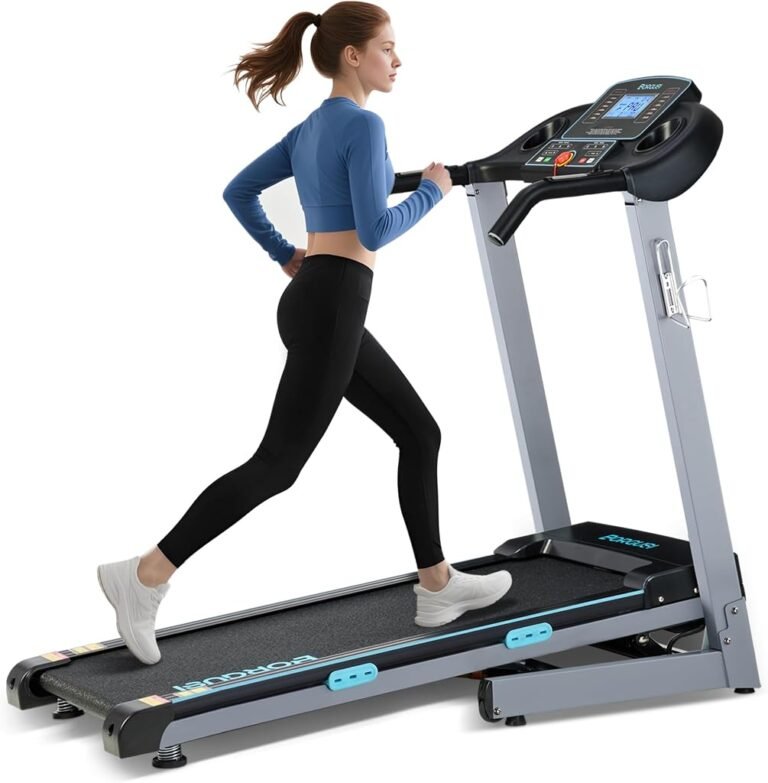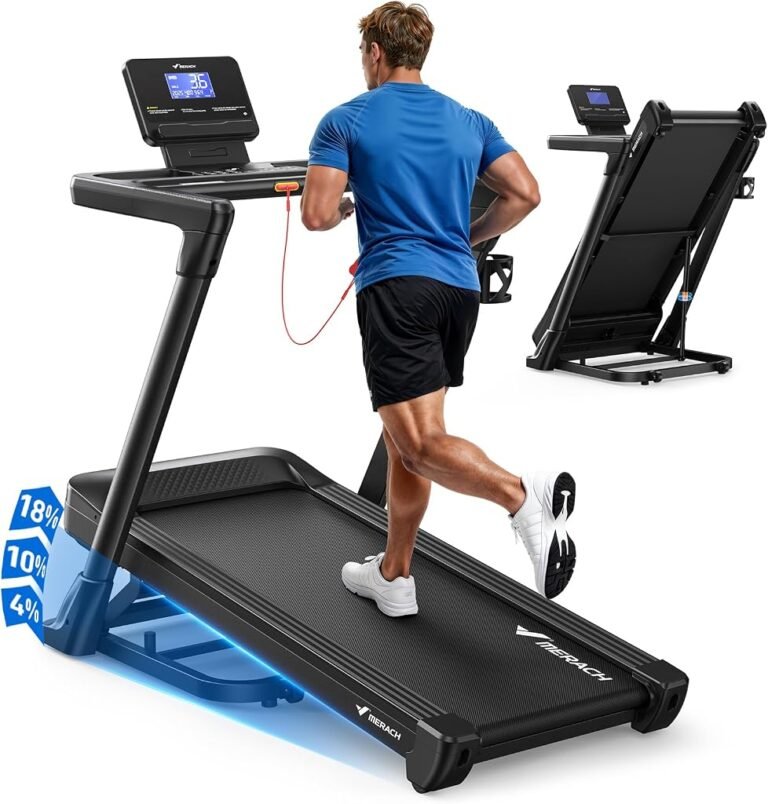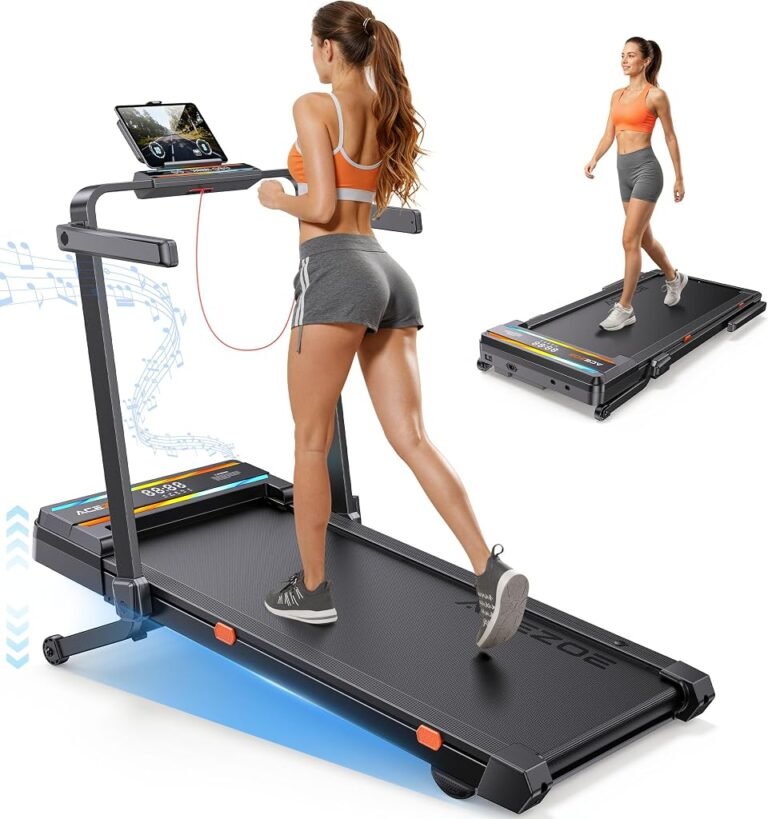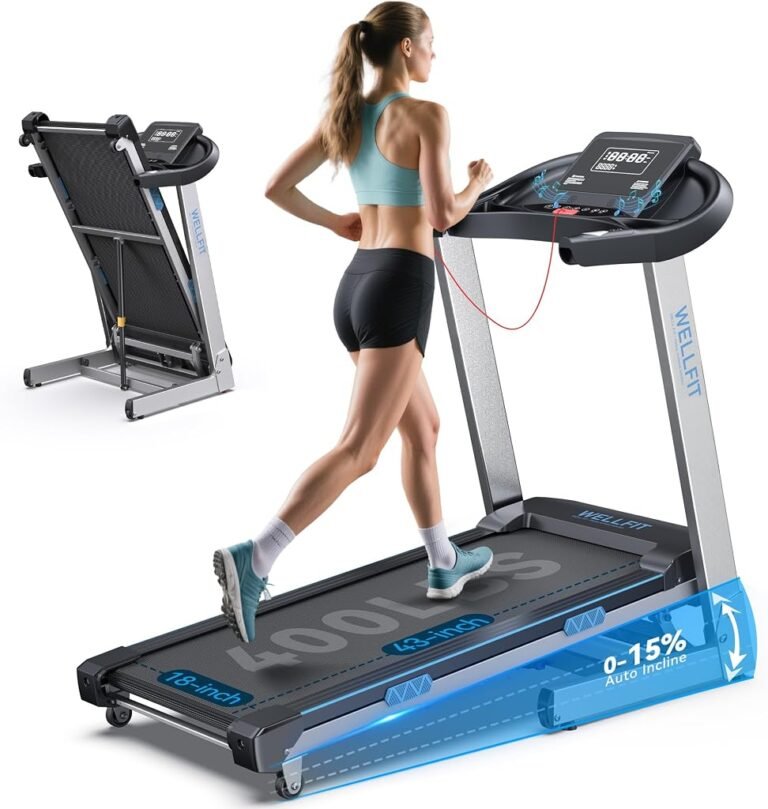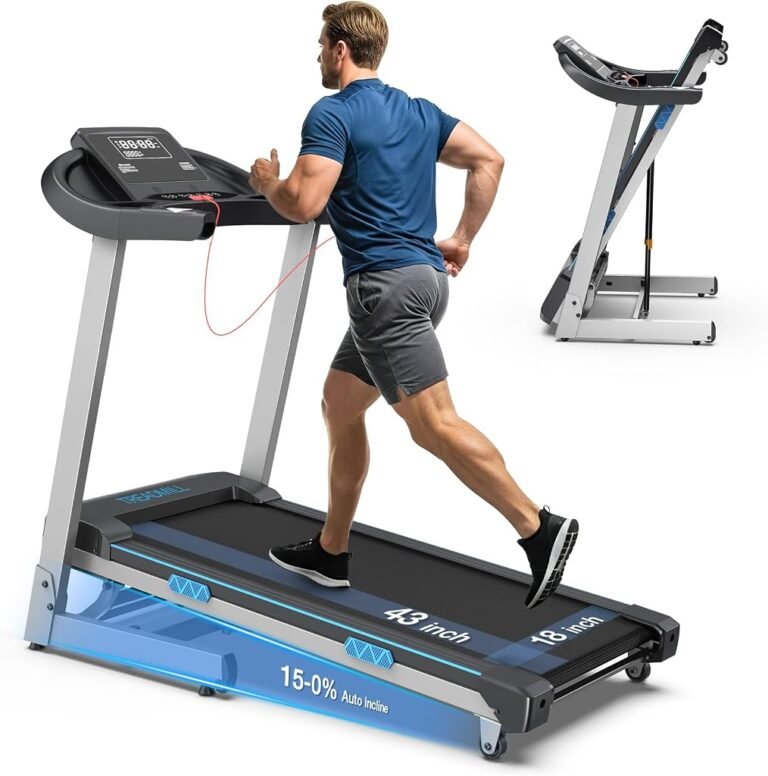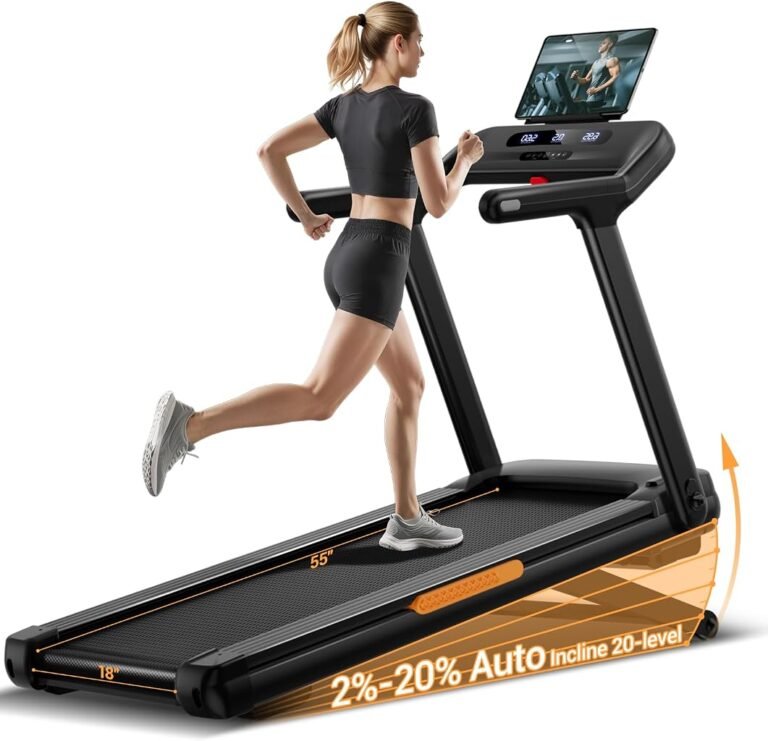
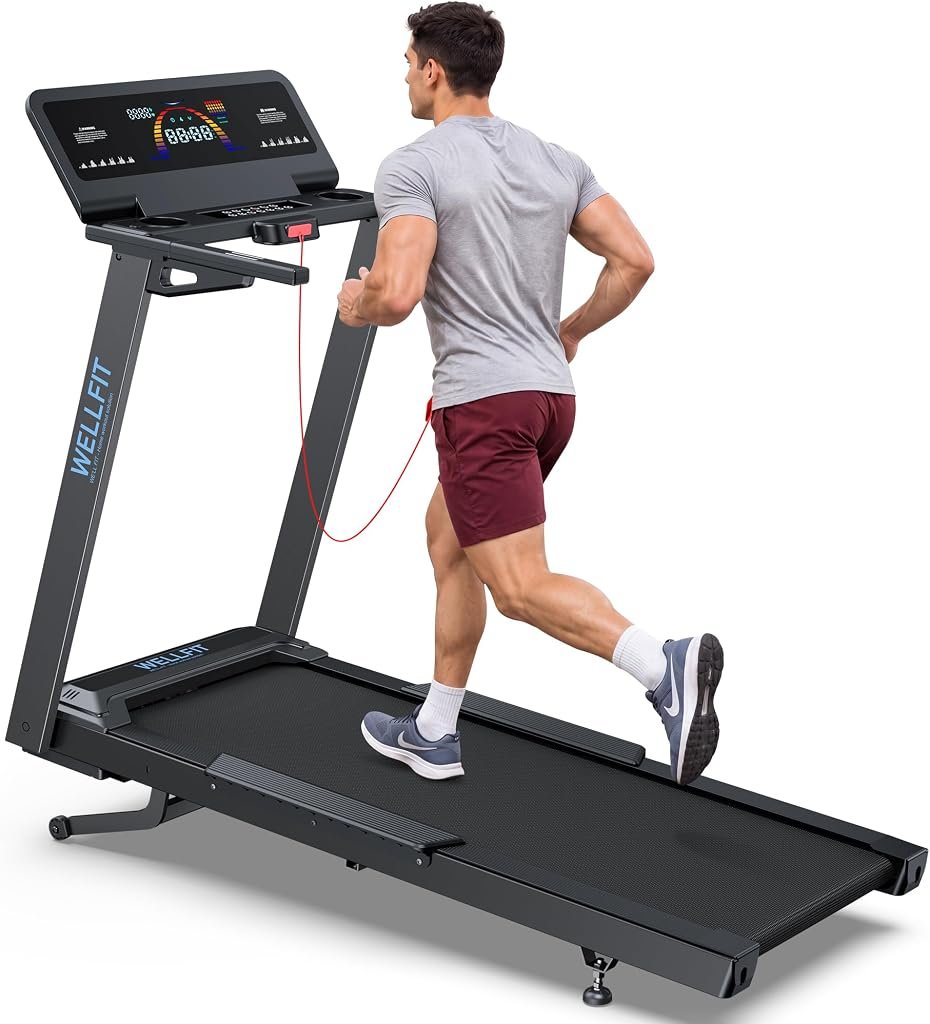
A treadmill purchase is rarely just a question of horsepower, screens, incline settings, or how neatly a machine folds against a wall. The larger question is whether the equipment makes regular exercise easier to sustain without creating new frustrations around space, usability, cost, and training limitations.
That distinction matters particularly at the roughly $750 level. A treadmill in this price range sits well above the cheapest walking machines yet below many premium running platforms. Buyers should therefore expect more than a moving belt and a basic display, while recognizing that every additional feature carries engineering, durability, and usability trade-offs.
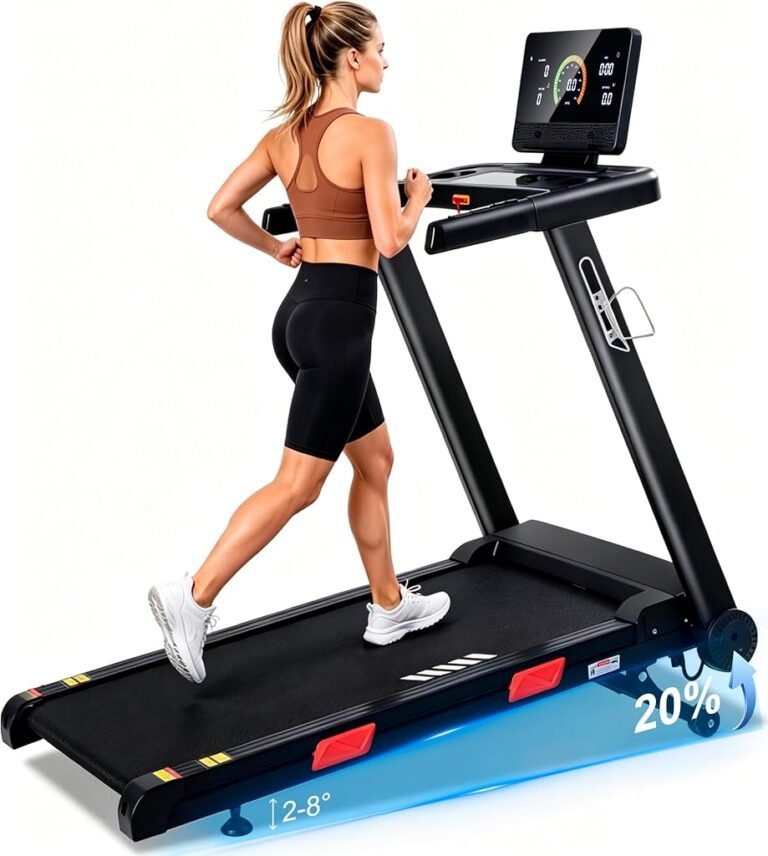
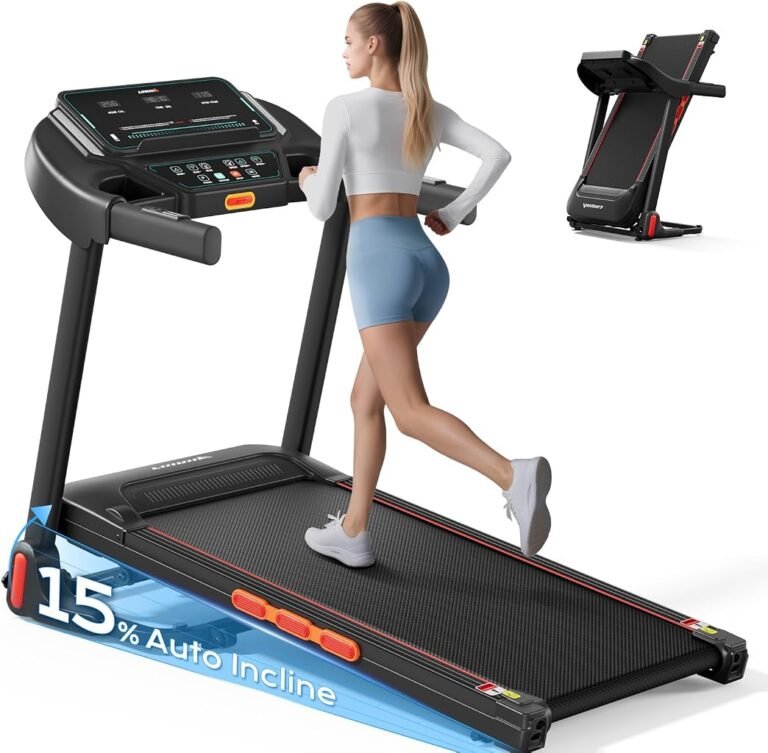
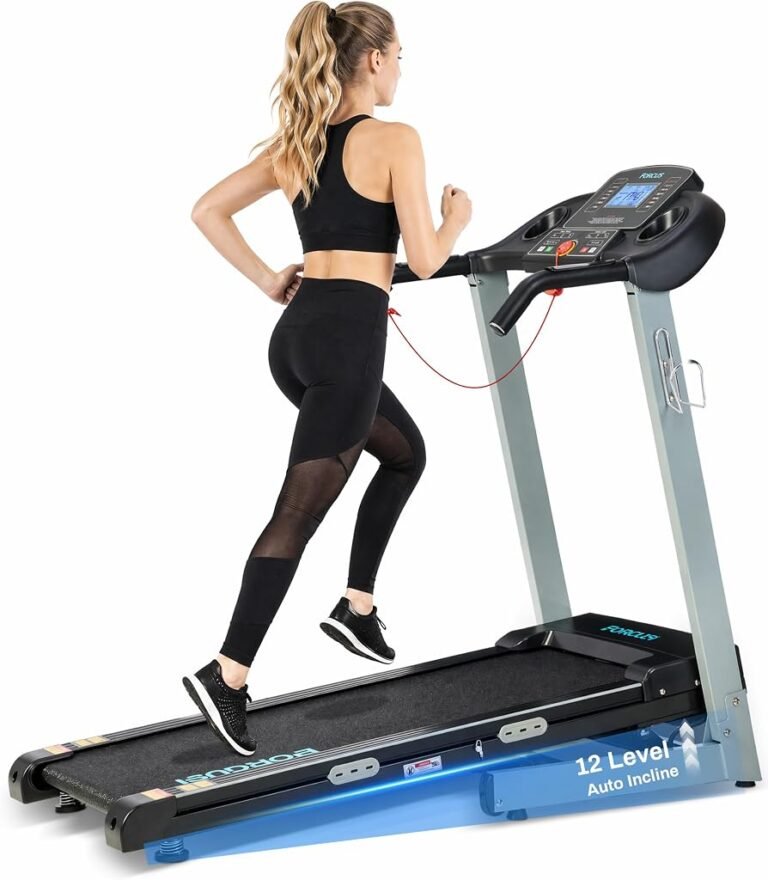
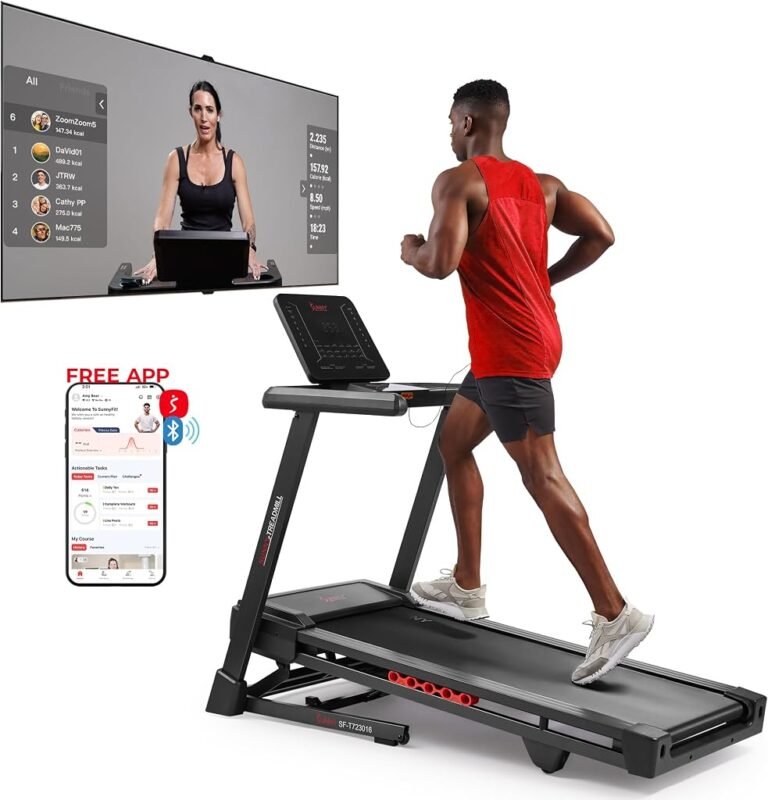
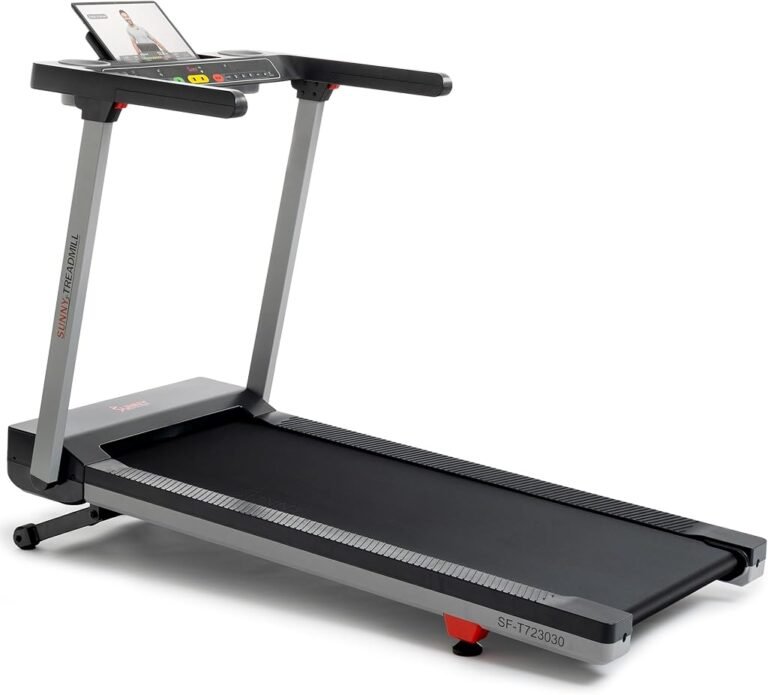
There is also an identity issue that requires clarification at the outset. Although this product is being considered under the name “WELLFIT Auto Incline Treadmill,” the identifiable retail product associated with this review is branded Sunny Health & Fitness and described as a foldable auto-incline treadmill with a 20-inch-wide platform. It would be misleading to transfer unverified WELLFIT specifications onto a Sunny Health & Fitness machine merely because the products share broad characteristics.
Accordingly, this review evaluates the identifiable treadmill on the features that can be established: foldability, automatic incline, a 20-inch-wide platform, and a $749.99 reference price. Where specifications cannot be reliably established, they are not guessed.
Our overall score is 8.53/10. Customer Sentiment receives 8.5/10, Buyer Confidence reaches 8.93/10, and Value stands at 8.28/10. Those numbers describe a treadmill with a persuasive balance of home-oriented features, but not one that should be purchased without considering what the buyer actually intends to do with it.
The Core Proposition: A Home Treadmill Built Around Usability
The basic appeal is straightforward. This is a foldable treadmill equipped with automatic incline and a 20-inch-wide running or walking platform.
Those three characteristics address three separate home-fitness problems.
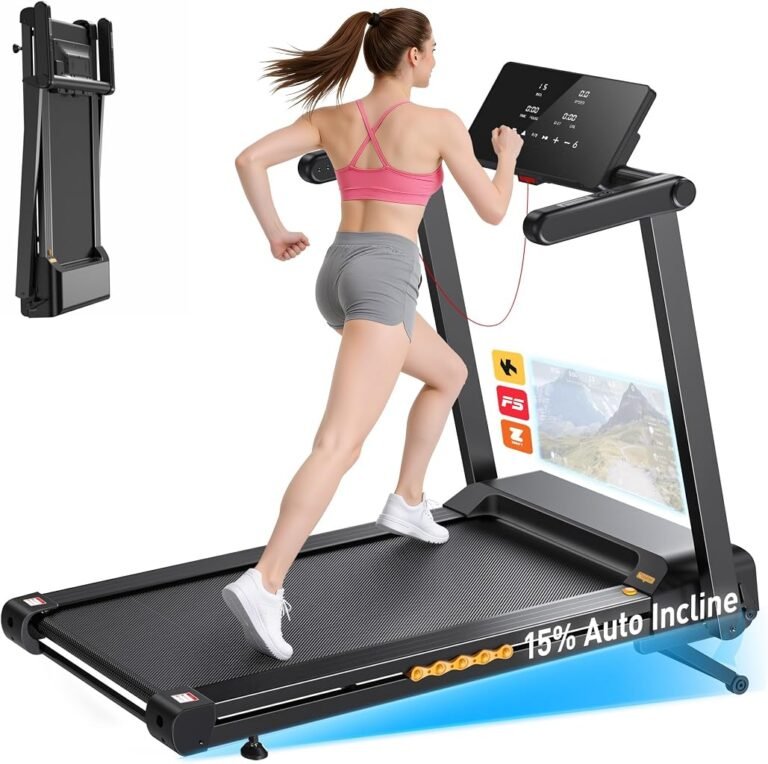
Foldability addresses storage. Automatic incline expands training variation without requiring the user to stop and manually alter the deck. The 20-inch-wide platform addresses usable movement space, an attribute that can become increasingly noticeable as walking speed rises into jogging or running territory.
None of these features automatically makes a treadmill suitable for every household. They do, however, reveal where the design priorities lie. This is not simply a stripped-down walking pad intended to disappear beneath a desk. Its feature set points toward structured indoor cardiovascular exercise in a residential environment.
That distinction helps explain the 8.53/10 overall score. The treadmill’s appeal rests less on novelty than on the combination of features people are likely to use repeatedly.
For home fitness equipment, repeated use matters more than an impressive specification that remains untouched.
Why Automatic Incline Matters More Than It First Appears
Incline is sometimes treated as another number for manufacturers to place on a specification sheet. In actual training, changing gradient alters the nature of a walking session without necessarily requiring a large increase in belt speed.
That has practical consequences.
A user who does not want to run can still manipulate workload through gradient. Someone following interval sessions can alternate between easier and harder periods through changes in incline. Walkers can also use gradient variation to reduce the monotony associated with maintaining one speed on a level belt.
The underlying exercise physiology is well established: increasing treadmill gradient can substantially alter metabolic demand.
Research presented through the American College of Sports Medicine’s regional conference materials, for example, examined walking at a 10% incline and found that walking without handrail support produced a significantly higher cost of transport than the other tested conditions. The same research also illustrates an easily overlooked detail: holding or leaning on treadmill handrails can materially alter the physiological demand of inclined walking.
That makes automatic incline useful for more than simulated hills. It gives the user another variable for controlling a workout.
Automatic adjustment is particularly preferable to a manually adjusted incline mechanism for structured sessions. If changing gradient requires getting off the treadmill and repositioning hardware, incline is more likely to become a feature used occasionally rather than an active training control.
The qualification is equally significant: more incline is not inherently better.
Gradient should be increased progressively, especially for people accustomed to level walking. The goal is not to chase the steepest possible setting but to create a workload appropriate to the user’s fitness, movement quality, and training purpose.
A 20-Inch-Wide Platform Is a Meaningful Design Choice
The 20-inch-wide platform deserves more attention than it might receive in a quick comparison.
Treadmill dimensions are not decorative specifications. Belt width affects the physical space in which every foot strike takes place. A narrow walking pad can be perfectly workable for controlled walking, particularly where compact dimensions are the overriding priority. As pace increases, however, lateral space becomes a more relevant usability consideration.
The 20-inch width therefore gives this model a different character from ultra-compact walking machines.
That does not establish the treadmill’s suitability for a particular runner by itself. Deck length, user height, stride, speed, stability, motor capability, maximum user weight, cushioning, and intended duty cycle also affect suitability. Those details should be checked against the exact model before purchase.
The width nevertheless strengthens the case for users who regard the treadmill as exercise equipment rather than simply a way to accumulate steps while working.
This is also an area where shopping by photographs can mislead. A treadmill may look spacious when photographed without a person on it. Actual platform dimensions offer a more useful basis for comparison.
Foldability Solves Only Part of the Space Problem
“Foldable” and “small” are not synonyms.
A folding treadmill can reduce its storage footprint, but owners still need enough usable floor space to unfold the machine, mount it safely, exercise without surrounding obstructions, and move around it.
That reality is often neglected in discussions of the best treadmills for home use. Buyers naturally focus on where a treadmill will sit when nobody is exercising. The more consequential measurement may be how much room it consumes when fully deployed.
A sensible pre-purchase procedure is remarkably low-tech:
- Measure the intended exercise area rather than estimating it visually.
- Check doorways and the delivery path before ordering.
- Compare both operating and folded dimensions for the exact model.
- Leave adequate clearance around the machine according to the manufacturer’s instructions.
- Consider ceiling clearance when incline is raised, particularly for taller users.
- Decide whether the machine will genuinely be folded after most workouts or remain open permanently.
The final point can expose a mismatch between marketing logic and household behavior. Folding equipment only saves meaningful space when people actually fold it.
A buyer with a dedicated exercise room may care relatively little about this mechanism. Someone using a shared bedroom, office, or multipurpose room may place considerably more weight on it.
The $749.99 Question
At a reference price of $749.99, expectations should be higher than they are for an inexpensive walking pad.
Our Value score of 8.28/10 reflects that tension. The treadmill combines automatic incline, folding construction, and a 20-inch-wide platform at a price that can make sense for regular home use. Yet value cannot be reduced to the number of features divided by purchase price.
The useful question is how many of those features match the owner’s actual routine.
A dedicated walker who regularly adjusts gradient could extract considerable utility from automatic incline. A household sharing one treadmill among people with different preferred intensities could also benefit from a more versatile platform.
Conversely, a buyer whose only objective is walking gently for 20 minutes several times a week might be paying for functionality that sees little use. A serious high-mileage runner should investigate the machine’s exact motor, deck length, speed, warranty, weight capacity, and duty expectations before treating it as a long-term running platform.
That is why an 8.28 Value rating is favorable without being indiscriminate. The price makes sense when the treadmill’s central features solve genuine household and training needs.
Exercise Guidelines Put the Purchase in Perspective
Home exercise equipment is sometimes evaluated as if ownership itself were the health intervention. It is not.
The machine is infrastructure. The activity performed on it is what matters.
The CDC’s adult physical-activity guidance states that adults need at least 150 minutes of moderate-intensity physical activity each week, or 75 minutes of vigorous activity, or an equivalent mixture. Adults also need muscle-strengthening activity on at least two days per week.
Federal guidance goes somewhat further when discussing the range associated with greater health benefits. The U.S. Office of Disease Prevention and Health Promotion states that adults should get 150 to 300 minutes of moderate-intensity aerobic activity each week, alongside muscle-strengthening work on two days.
A treadmill can make the aerobic portion easier to schedule because it removes several environmental variables. Darkness, rain, heat, cold, and the absence of a convenient walking route become less relevant when exercise takes place indoors.
But treadmill ownership does not replace strength training, nor does it guarantee adherence.
This is where the design of a home machine becomes more consequential than feature lists suggest. A treadmill that is awkward to access, unpleasant to use, or badly matched to its owner can become expensive furniture. A machine that fits naturally into a routine can lower the friction between intending to exercise and actually beginning.
That behavioral distinction is arguably more important than marginal differences between two otherwise adequate treadmills.
Customer Sentiment: 8.5/10
Our Customer Sentiment score is 8.5/10.
The appropriate interpretation is not that every prospective buyer will have the same experience. Rather, the score supports a favorable editorial assessment of the product’s overall reception while leaving room for the normal variation that accompanies home fitness equipment.
Treadmills are unusually dependent on context. Floor construction, assembly, user size, workout style, room dimensions, maintenance habits, and expectations all affect the ownership experience.
For that reason, Customer Sentiment should not be read in isolation.
A buyer choosing primarily for serious running has different criteria from someone seeking brisk walking and incline sessions. A person living above neighbors has acoustic concerns that a garage-gym owner may not share. A household intending to move the treadmill regularly will care more about folding and handling than somebody installing it permanently.
An 8.5 score therefore supports the product’s general standing, but buyer-product fit remains the decisive filter.
Buyer Confidence: Why 8.93/10 Is the Strongest Rating
Our highest category score is Buyer Confidence at 8.93/10.
That score reflects the relative clarity of the treadmill’s proposition. The identifiable machine comes from Sunny Health & Fitness, and its central design attributes are easy to understand: an auto-incline treadmill, a folding format, and a 20-inch-wide platform.
Those are functional characteristics rather than vague lifestyle claims.
Confidence should still be paired with ordinary purchasing discipline. Buyers should verify the exact current listing, warranty conditions, dimensions, maximum supported user weight, speed and incline ranges, motor specification, return conditions, assembly requirements, and electrical requirements before paying.
This becomes especially significant because treadmill listings can exist in multiple variants. Similar photographs and related model names do not guarantee identical specifications.
The unusually high Buyer Confidence rating therefore should not be interpreted as permission to skip the specification sheet. It means the underlying proposition is sufficiently coherent to make a careful purchasing decision possible.
Where This Treadmill Makes the Most Sense
The machine appears best aligned with people seeking a middle ground between minimalist walking equipment and substantially more expensive home running systems.
Its strongest prospective use cases include regular indoor walking, incline walking, mixed walking-and-jogging routines, weather-independent aerobic sessions, and households where folding capability has genuine practical value.
The automatic incline is especially relevant to people who want workload variation without relying exclusively on faster belt speeds.
There is a useful training principle here. Intensity is not synonymous with speed.
The CDC describes moderate aerobic activity as activity hard enough to increase breathing and heart rate. Individual fitness affects how demanding a given activity feels. That means two people can use the same treadmill at different combinations of speed and incline while pursuing broadly comparable intensity targets.
For a beginner, a modest walking pace may be sufficient. A fitter walker may increase gradient. A runner may prefer faster level or gently inclined sessions.
The treadmill provides the setting; the user’s physiological response determines the workload.
Where Buyers Should Be More Cautious
The main limitations are less about obvious defects than about unanswered fit questions that matter at this price.
A 20-inch-wide platform is useful information, but width alone does not establish whether the deck is long enough for a particular runner’s stride. Automatic incline is desirable, but the feature alone says nothing about the exact gradient range. Folding is useful, but it does not reveal how easy the machine is to reposition in a specific home.
Serious runners should therefore avoid extrapolating from the presence of a wide belt and incline system.
The same caution applies to larger users. Maximum user weight is a safety and durability specification and should be confirmed for the exact treadmill rather than inferred from its appearance.
Noise also deserves realistic consideration. Any treadmill creates mechanical and impact noise. How intrusive that becomes depends partly on speed, running mechanics, floor structure, room acoustics, machine construction, and placement. Apartment buyers should treat noise transmission as a household issue rather than assume that any motorized treadmill will be effectively silent.
Finally, users returning to exercise after prolonged inactivity or managing medical conditions should match intensity to their circumstances. The CDC advises people with chronic health conditions to discuss appropriate activity types and amounts with a physician and advises certain inactive adults to consult a doctor before beginning vigorous activity.
How to Decide Before Buying
A treadmill becomes easier to judge when the buyer stops asking, “Is this a good treadmill?” and starts asking, “Is its particular combination of compromises suitable for this household?”
For this model, the decision can be reduced to several practical tests.
First, determine whether automatic incline will actually be used. If the planned routine involves brisk walking, hill intervals, or variable-intensity sessions, it has clear utility. If every workout will take place at zero gradient, part of the machine’s value proposition disappears.
Second, measure the available room. Do not rely on the folding mechanism as a substitute for space planning.
Third, establish the intended training mode. Walking, jogging, occasional running, and sustained high-mileage running impose different demands on a treadmill.
Fourth, verify specifications that affect safety and durability for the exact model being purchased. That includes weight capacity and the manufacturer’s operating and maintenance requirements.
Fifth, consider the economics over expected use rather than focusing solely on the initial $749.99 outlay. A treadmill used four or five times per week has a very different household value from one used twice a month.
The machine cannot create consistency. It can only reduce some of the obstacles to it.
Our Editorial Assessment
The score distribution tells a coherent story.
The 8.53/10 overall score places the treadmill firmly in favorable territory because its primary features correspond to common home-training needs rather than novelty. The 8.5 Customer Sentiment score supports that assessment while acknowledging that treadmill satisfaction is highly dependent on individual circumstances.
The 8.93 Buyer Confidence score is the strongest figure because the identifiable Sunny Health & Fitness product has a relatively straightforward purpose and feature proposition. The 8.28 Value score, while still favorable, is lower because $749.99 is substantial enough to demand careful matching between features and actual use.
That spread is informative.
This is easier to endorse as a well-defined home-fitness proposition than as an automatic bargain for every buyer. Someone who needs automatic incline, a 20-inch-wide platform, and folding construction has a stronger value argument than someone who simply needs an indoor surface for casual walking.
It also illustrates why searches for the best treadmills for home should not end with a ranked list. The best machine for a small apartment, a dedicated runner, a beginning walker, and a household with several users may be four different products.
Final Considerations
The treadmill reviewed here earns 8.53/10 overall, with 8.5 for Customer Sentiment, 8.93 for Buyer Confidence, and 8.28 for Value. Its identifiable strengths are practical ones: automatic incline broadens workout control, the 20-inch-wide platform provides meaningful movement space, and the folding design addresses a real residential constraint.
Its limitations are equally instructive. No single headline feature establishes suitability for every runner, every body size, or every home. Prospective owners should verify the exact model’s full dimensions, running-deck length, weight capacity, motor specification, incline and speed ranges, warranty, maintenance requirements, and electrical needs before purchase.
The larger lesson extends beyond this particular treadmill. Home exercise equipment earns its value through repeated use. A sophisticated machine used sporadically is a poor investment; a suitably chosen machine that removes weather, scheduling, and access barriers can become an effective piece of personal exercise infrastructure.
For people whose routine centers on indoor walking, gradient-based cardio, jogging, or mixed aerobic sessions, this treadmill presents a credible balance of capability and residential practicality at its $749.99 reference price. Buyers focused on sustained, demanding running should place greater emphasis on the exact performance and durability specifications before making the same judgment.
The distinction is small but consequential: a treadmill should not be selected because it can do more things. It should be selected because it does the things its owner is realistically going to do.