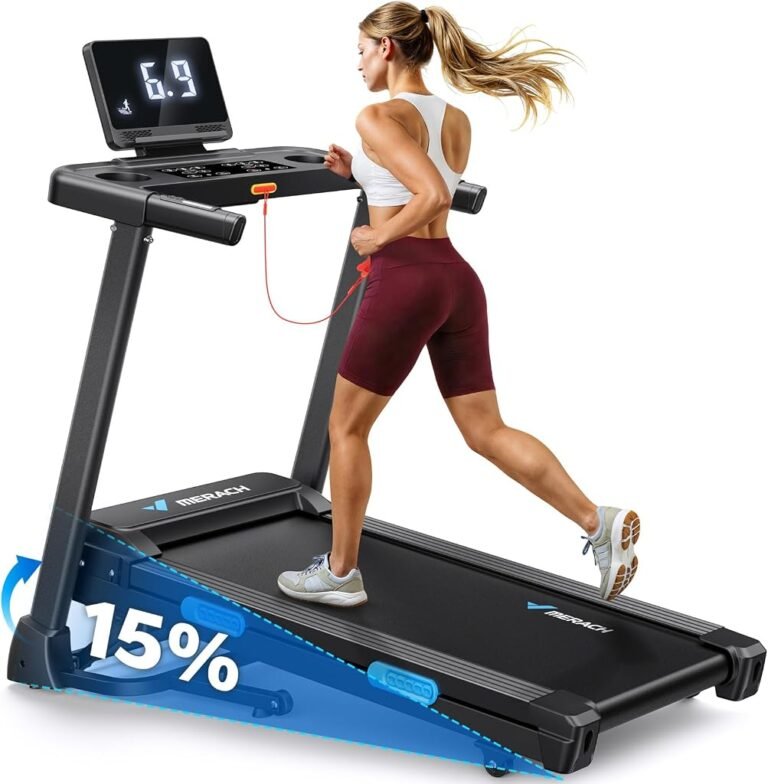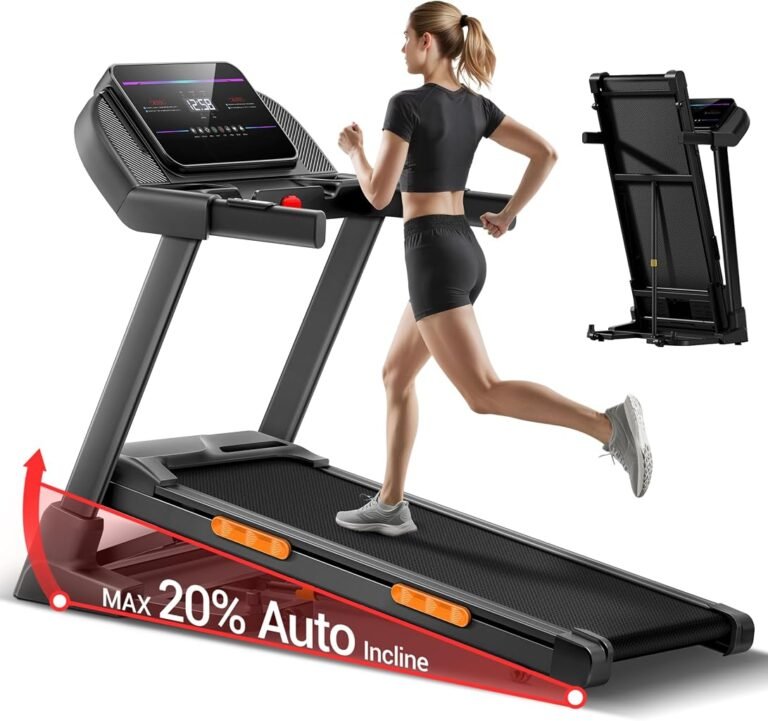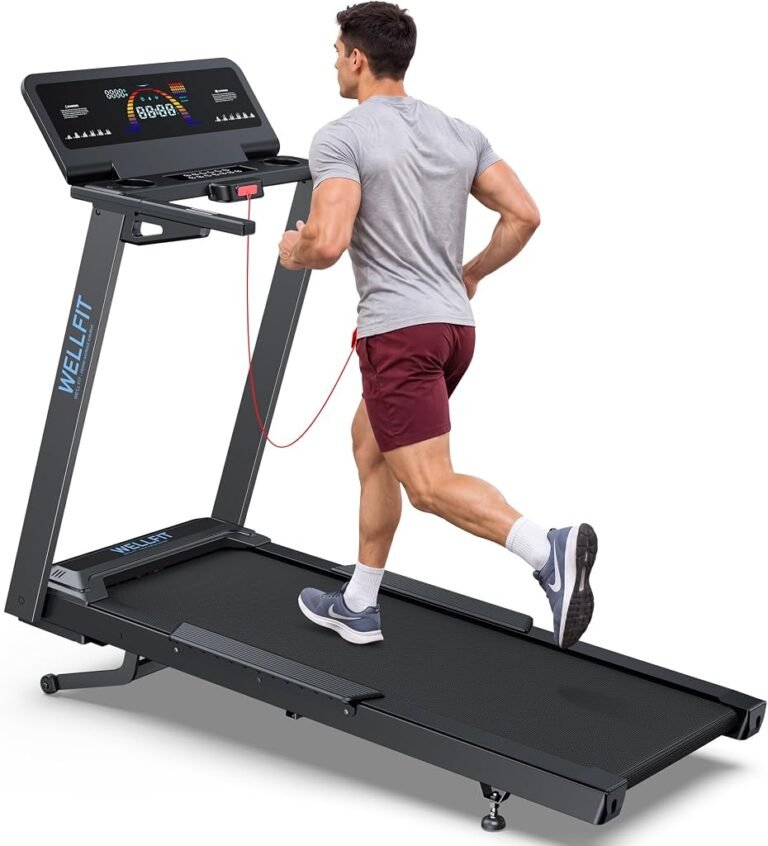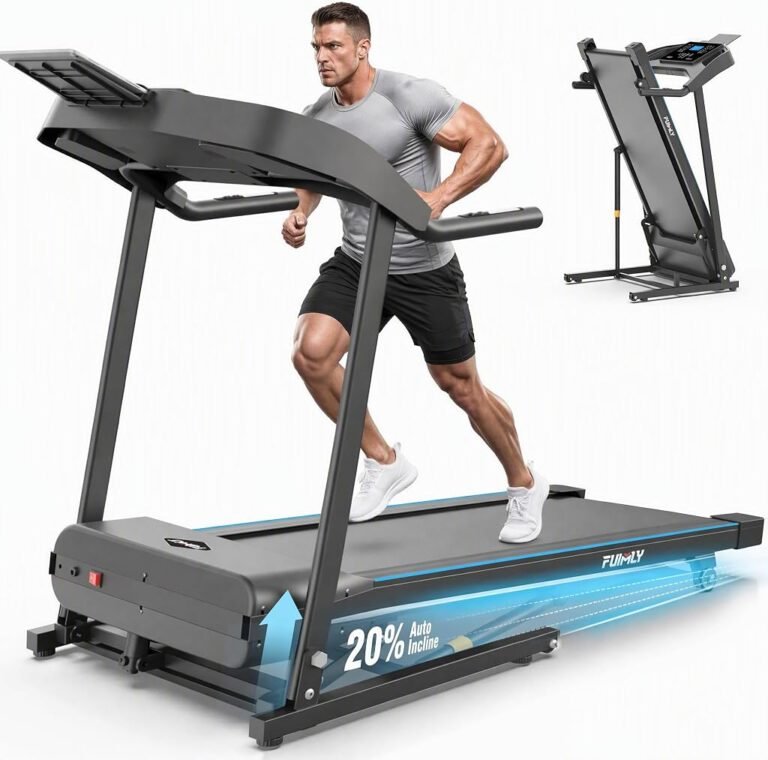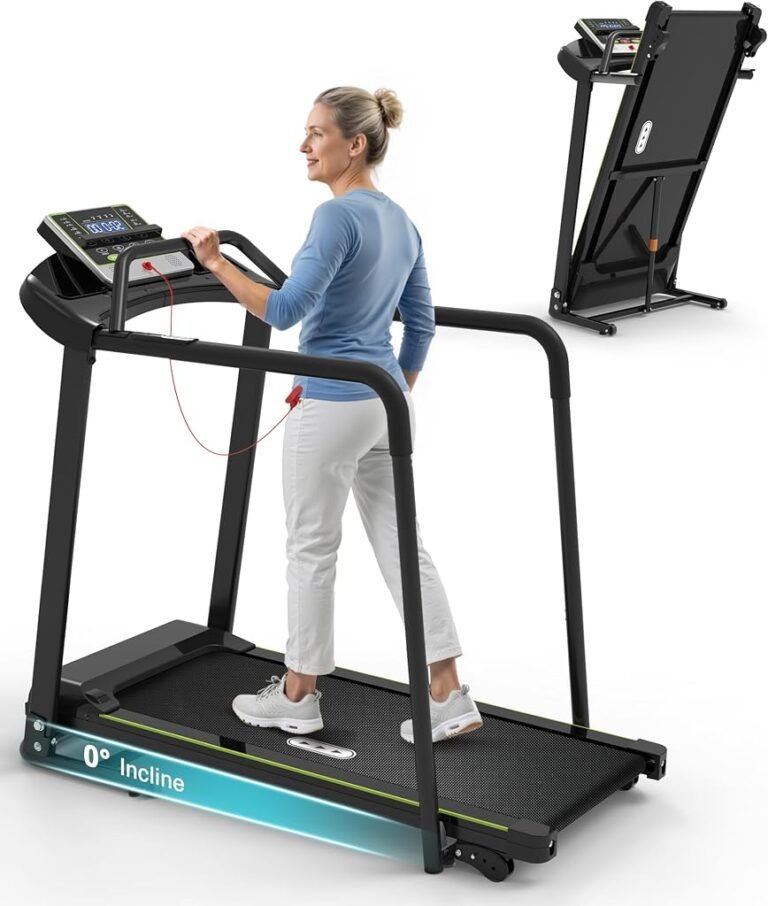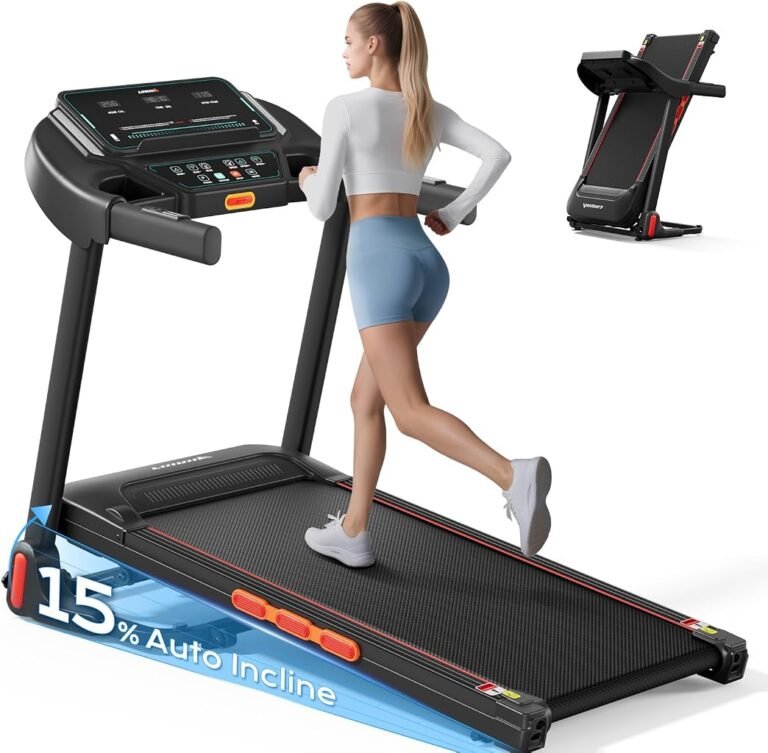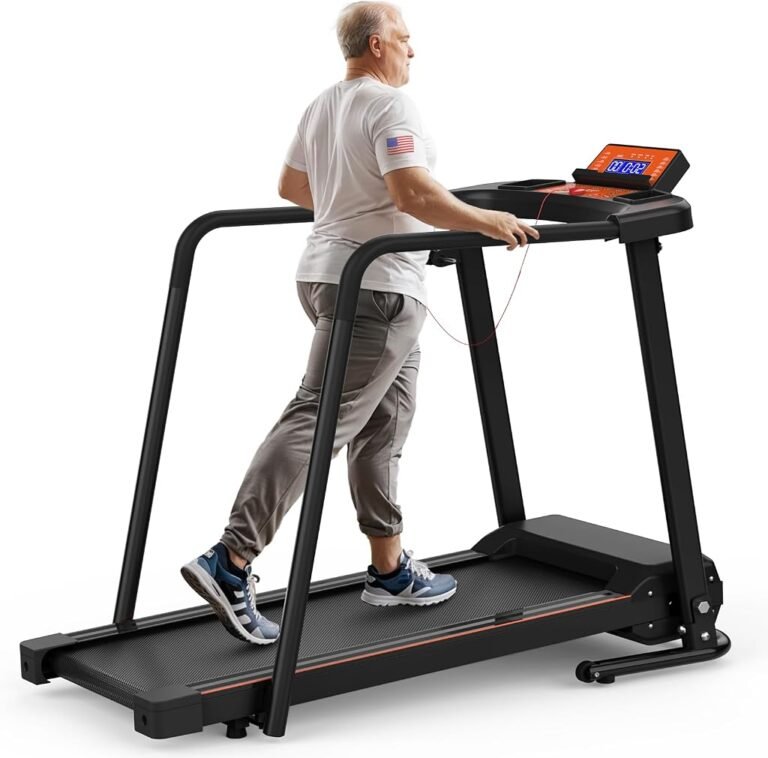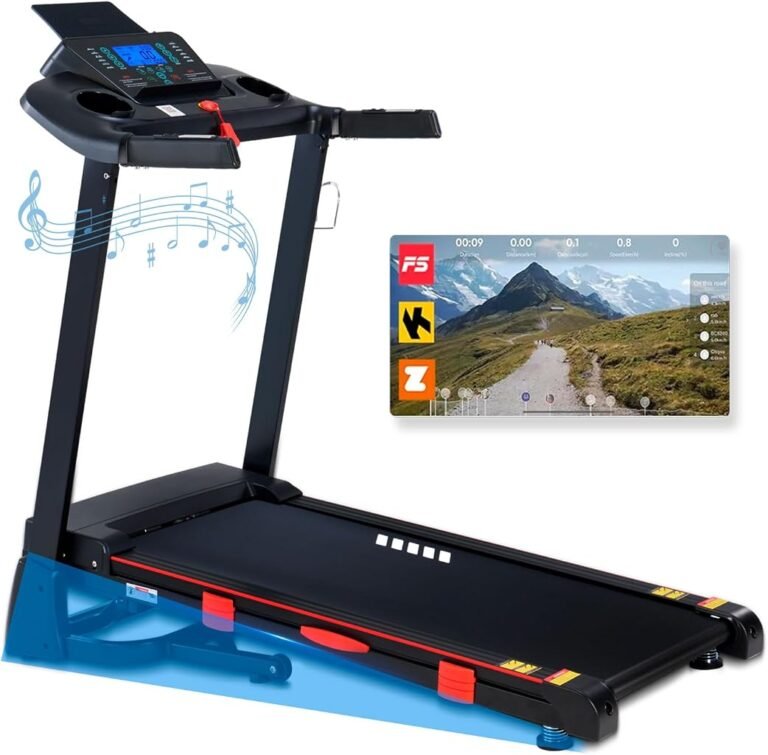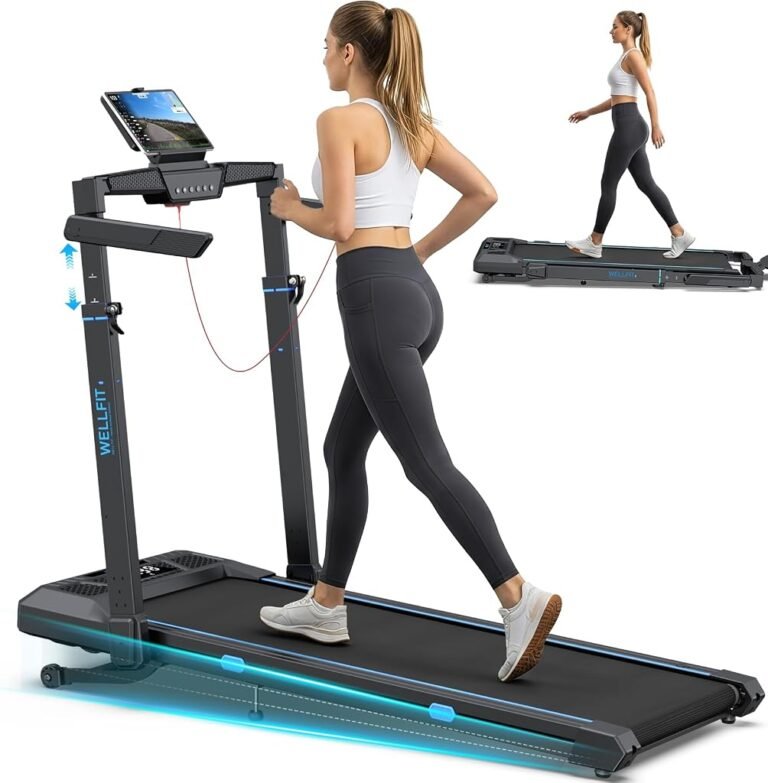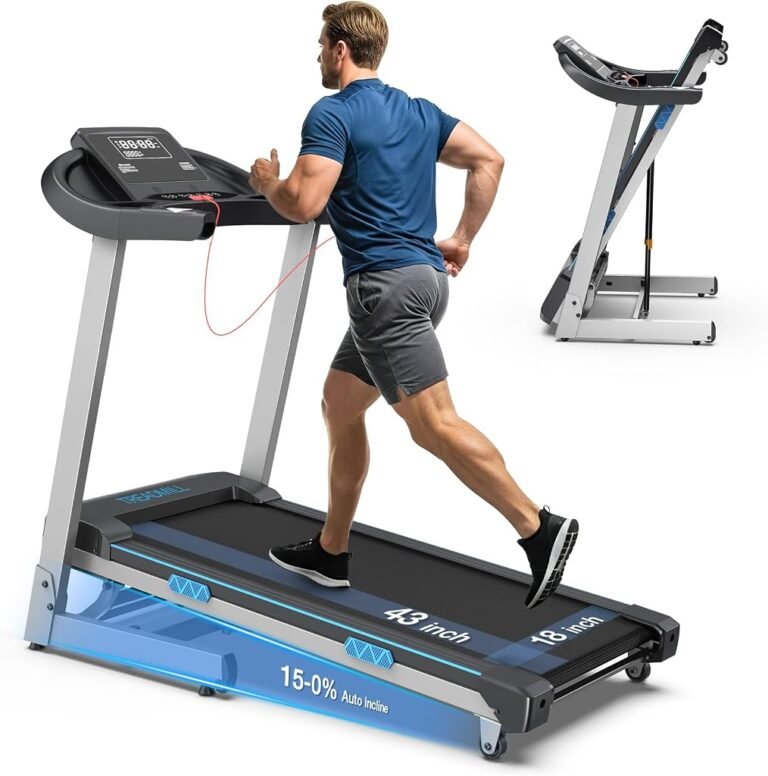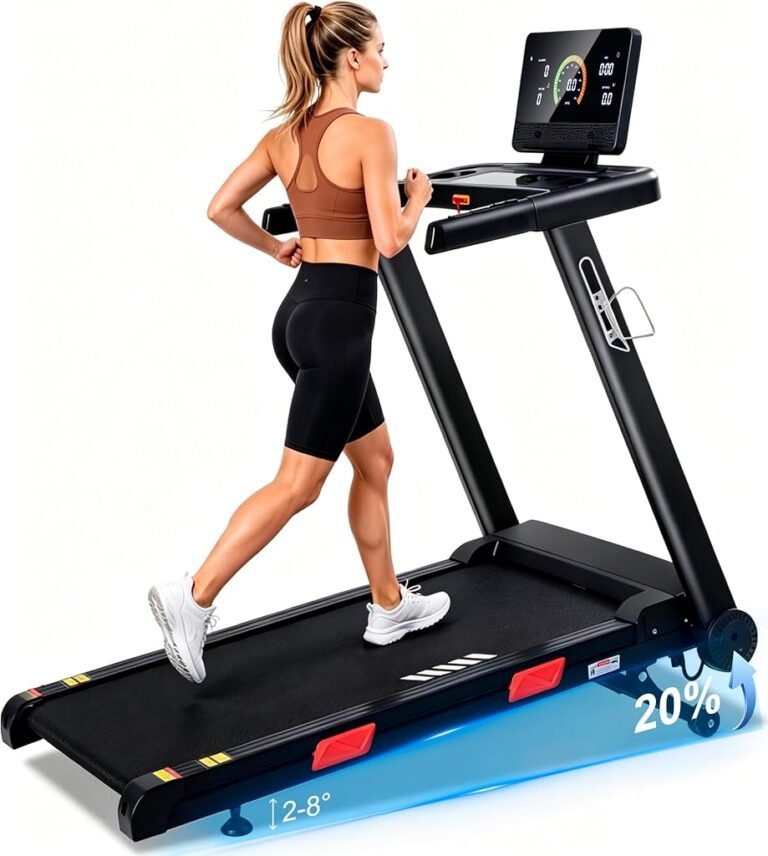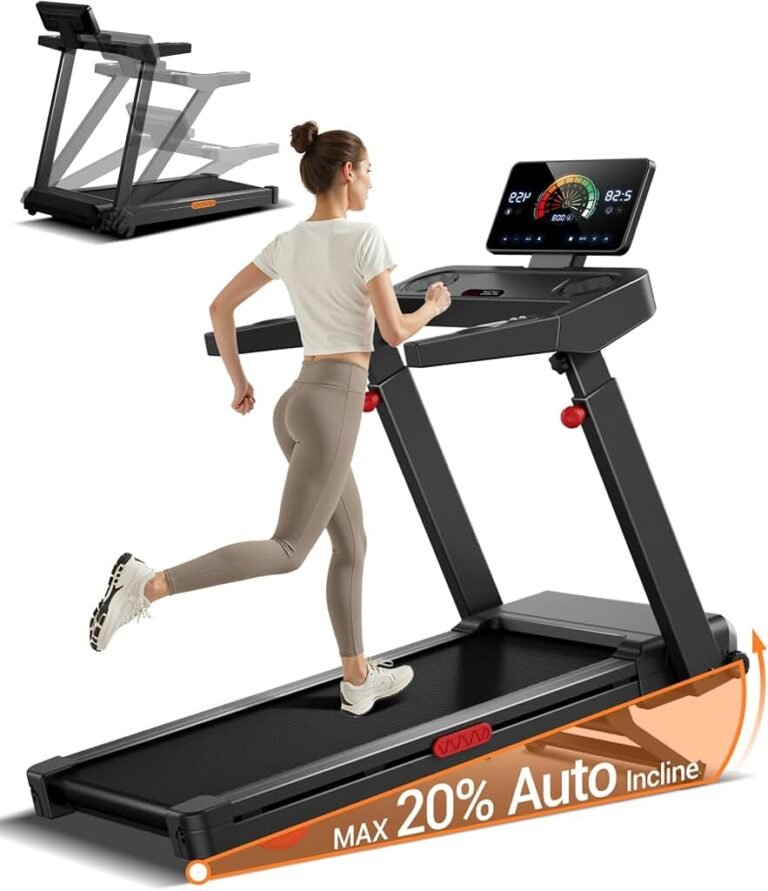
A treadmill purchase usually begins with familiar questions: How much room will it take? Does it incline? Can it fold? Is the price justified by the hardware? In this case, another question comes first: which treadmill is actually being evaluated?
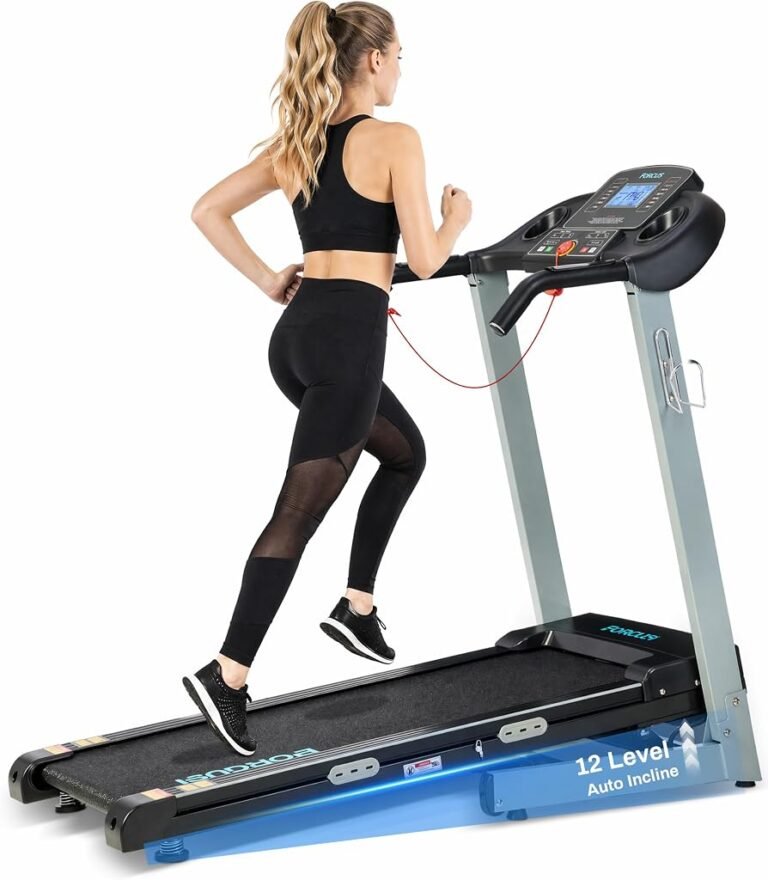
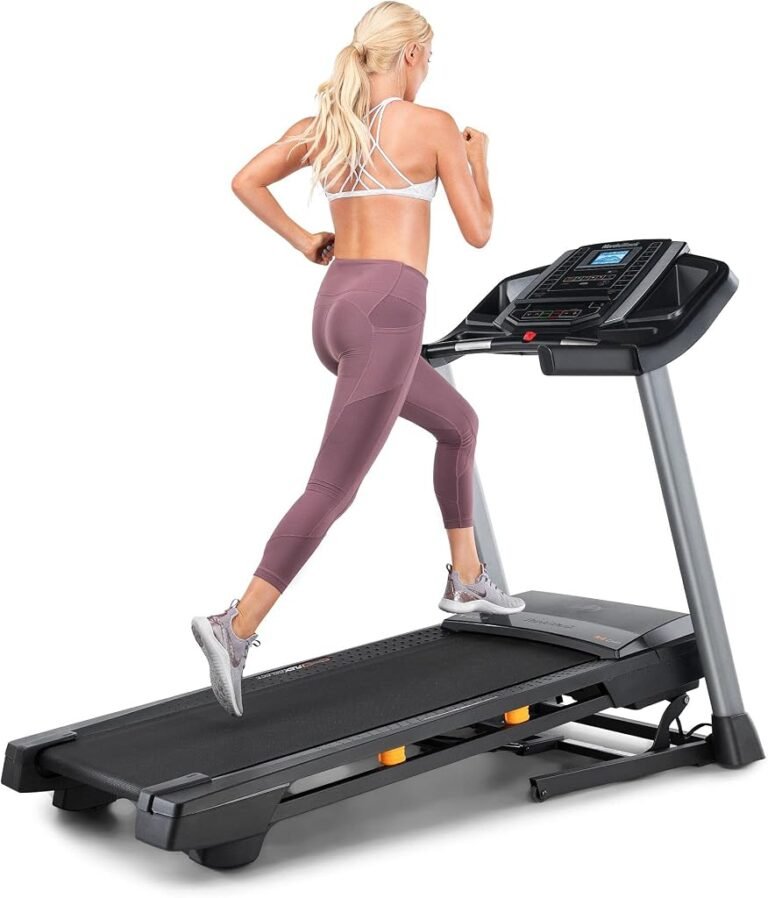
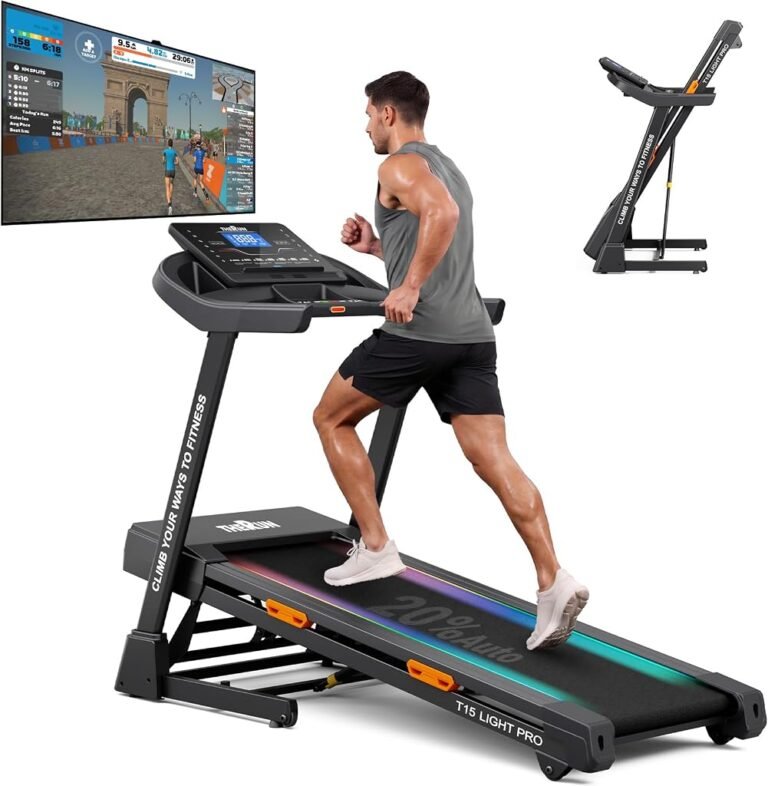
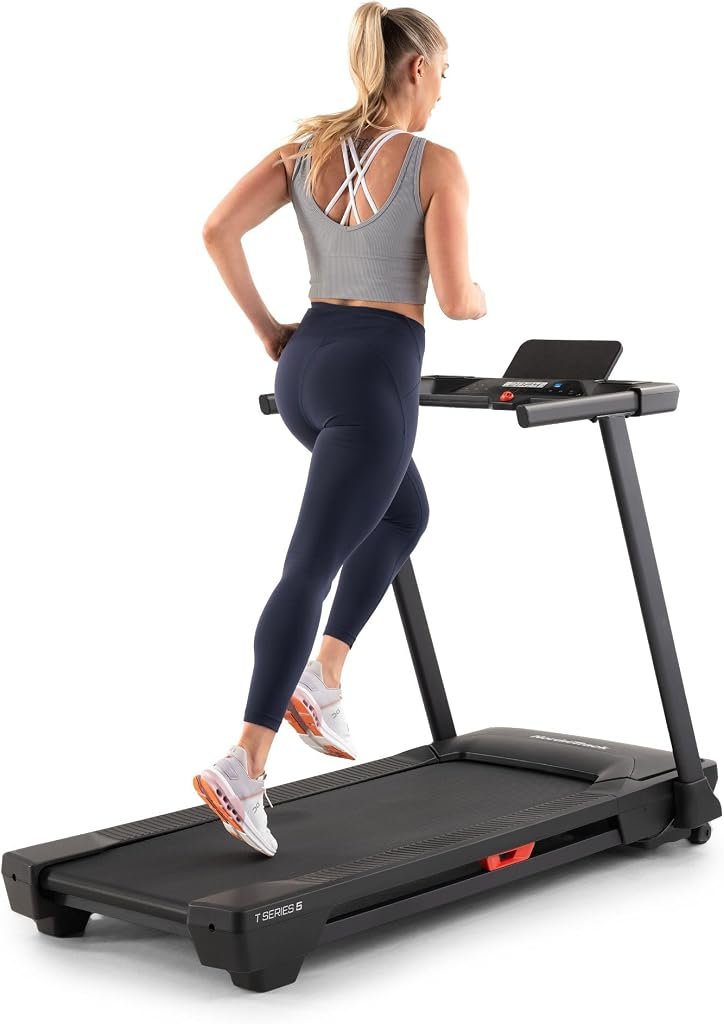
The product associated with this review is listed at $599 and is identified as a THERUN Walking Treadmill with Incline, foldable construction and heavy-duty positioning. That conflicts directly with the NordicTrack T Series name. NordicTrack currently sells an official T Series line of its own, including T Series 10 and T Series 16 models with specifications published by NordicTrack. Those machines should not be treated as interchangeable with a THERUN product merely because the review title carries the NordicTrack name.
That distinction shapes the entire assessment.
Our score is 8.4/10. Customer Sentiment is 8.06, Buyer Confidence reaches an unusually high 9.8, and Value is 8.03. Those numbers indicate a favorable overall assessment, yet they also reveal an interesting tension. Confidence in the basic buying proposition is much stronger than either sentiment or value. The treadmill can therefore make sense as a purchase while still demanding careful verification of brand identity, feature expectations and intended use.
The $599 price places it above the inexpensive walking-pad category but below many large connected treadmills. That middle position can work well for buyers who want incline, folding convenience and a more substantial home exercise machine without devoting a permanent room to cardio equipment.
The name mismatch, however, should never be ignored.
The NordicTrack Name and the THERUN Listing Are Not the Same Thing
NordicTrack is not a generic treadmill label. It is a specific fitness-equipment brand with an active T Series lineup.
The official NordicTrack T Series page currently lists T Series 10 and T Series 16 treadmills. NordicTrack publishes specifications including speeds up to 12 mph, incline from 0% to 12%, folding SpaceSaver construction, 325-pound user capacity and 20-by-60-inch belts for those current models.
Those figures cannot responsibly be transferred to the $599 THERUN machine associated with this review.
That may sound like a technical distinction, but it has practical consequences. A shopper seeing “NordicTrack T Series” could reasonably expect NordicTrack hardware, NordicTrack warranty coverage, NordicTrack documentation and NordicTrack’s iFIT ecosystem. A THERUN listing creates a different support relationship.
The safest approach is simple: buyers should verify the brand printed on the product listing, the company named in the warranty, and the seller responsible for support before placing an order.
This review therefore evaluates the treadmill proposition attached to the THERUN listing rather than borrowing specifications from NordicTrack’s current T Series products.
The $599 Price Creates Real Expectations
A treadmill at $599 is no longer competing only against simple walking pads.
At this level, buyers can reasonably expect more than a compact belt designed for slow desk walking. The machine needs to justify its additional cost through usable incline, stronger construction, a more conventional treadmill format, folding convenience or some combination of those characteristics.
The THERUN listing identifies the machine as a walking treadmill with incline, foldable construction and heavy-duty positioning. Those are useful attributes, but the phrase “heavy duty” should be handled carefully. Without a verified structural specification tied to this exact listing, it should be treated as positioning rather than a measurable guarantee of durability.
That restraint matters.
Treadmill marketing often encourages consumers to convert broad labels into assumptions about frame strength, motor life or sustained performance. A descriptive phrase cannot establish those outcomes.
At $599, value should instead be judged by fit. If a buyer needs incline and folding functionality in the same machine, the price becomes easier to defend. If the intended use is only slow, level walking, a simpler product may meet the same need for less money.
Incline Changes the Training Possibilities
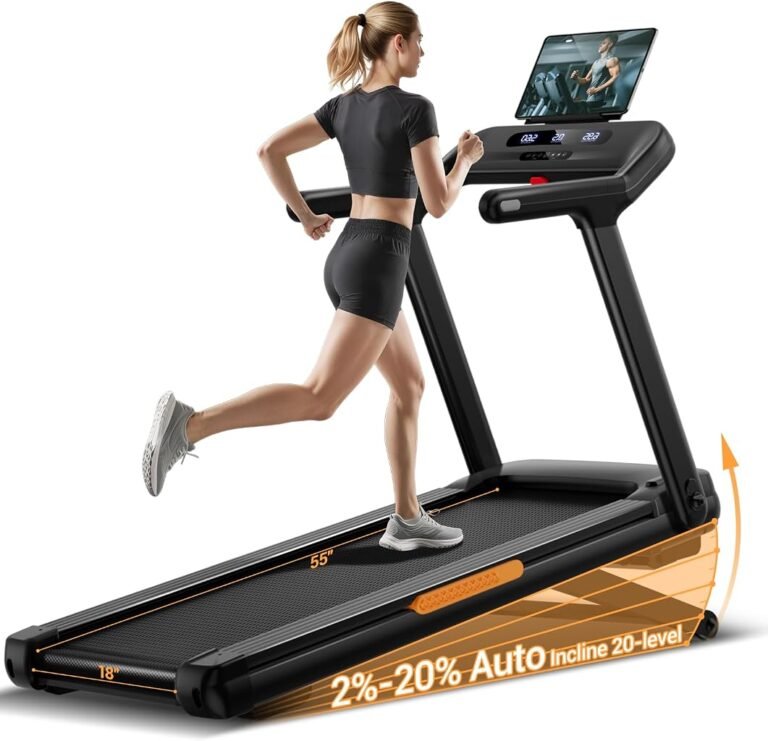
Incline is the most consequential named feature associated with this treadmill.
A flat treadmill gives users two basic variables: speed and duration. Incline adds a third. That allows exercise demand to increase without requiring faster running.
The CDC explains aerobic intensity by how hard the body is working. Moderate activity raises breathing and heart rate, while vigorous activity requires more effort. The agency does not assign one fixed treadmill speed that works for every person because physical response differs by fitness level and individual capacity.
Incline fits naturally into that framework.
A person can walk at a modest pace and still make the session more demanding by increasing grade. That matters for users who dislike running, prefer lower speeds or want to create hill-style intervals.
The American Heart Association gives a concrete illustration. In its discussion of treadmill walking and intensity, Barry Franklin, Ph.D., noted that walking at 2 mph with a 3.5% incline can carry the same energy cost as a faster level walk. His short advice is useful here: “But build up slowly.”
That is a better way to think about incline than treating maximum grade as a target.
Incline is useful because it creates progression options.
Why Walking Workouts Should Not Be Judged by Speed Alone
Home treadmill buyers often overemphasize maximum speed.
For dedicated runners, top speed matters. For many household users, however, the more relevant question is how much exercise variety can be created at manageable speeds.
Professional Heart Daily, published by the American Heart Association, describes a practical relationship between treadmill speed, grade and estimated energy expenditure. At 2 mph on level ground, walking is approximately 2 metabolic equivalents, and each additional 3.5% of grade adds roughly another metabolic equivalent. At 3 mph, each 2.5% increase in grade adds roughly one metabolic equivalent.
That relationship helps explain why incline treadmills can be useful even for people who rarely run.
A moderate walking pace can become substantially harder when the deck rises. A user can therefore build sessions around alternating grades rather than constantly chasing faster speeds.
This matters particularly in home settings, where sustainable exercise habits often matter more than impressive peak figures.
Folding Construction Addresses the Problem Nobody Can Ignore
Every full-size treadmill eventually confronts the same adversary: the room it sits in.
Cardio machines consume floor space whether they are being used or not. In a dedicated exercise room, that is acceptable. In an apartment, guest room or shared office, it can become the deciding factor.
The THERUN machine is identified as foldable, which immediately improves its relevance for home use.
Foldability, however, needs realistic expectations.
A folding treadmill does not cease to exist when the deck is raised. It still needs storage clearance. It still needs a route through doors and hallways. It still has to be unfolded safely before exercise.
For that reason, shoppers should measure three things before ordering: the space available while exercising, the intended storage location and the delivery path into the home.
This sounds almost absurdly basic until a boxed treadmill meets a narrow staircase.
The best treadmills for home use are not merely those with appealing training features. They also need to coexist with beds, desks, furniture, doors and daily household movement.
Walking Has More Practical Value Than Its Simplicity Suggests
Treadmill marketing often treats running as the more serious activity and walking as the beginner option.
Public-health guidance paints a different picture.
The CDC recommends that adults accumulate at least 150 minutes of moderate-intensity activity each week, along with muscle-strengthening activity on at least two days. Brisk walking is specifically used as an example of moderate-intensity movement.
That makes a home treadmill relevant even for users who never run.
Five 30-minute sessions can meet the aerobic target when performed at appropriate intensity. Shorter sessions can also be distributed through the week.
The treadmill’s convenience matters because consistency is often a logistical problem rather than a knowledge problem. People generally know movement is beneficial. Weather, darkness, travel time, work schedules and caregiving responsibilities interfere.
A treadmill cannot create motivation, but it can remove several external barriers.
That is why walking capability deserves to be evaluated as a primary use rather than as something a buyer does until becoming “advanced” enough to run.
Our Score: 8.4/10
Our 8.4/10 rating places this treadmill firmly in very good territory.
The score reflects a product proposition that is easy to understand: a $599 folding treadmill with incline and a heavier-duty home-use identity.
That combination can meet the needs of a broad household audience.
The rating does not rise further because product identity remains unnecessarily confusing. A NordicTrack T Series label points toward one family of treadmills, while the associated listing identifies THERUN.
That is more than a branding annoyance.
Brand determines documentation, support structure, warranty administration and replacement-part pathways. Mechanical equipment can require service years after purchase, making identity more consequential than it would be for a disposable accessory.
An 8.4 rating therefore recognizes the treadmill’s favorable functional proposition while retaining a meaningful deduction for the naming discrepancy.
Customer Sentiment: 8.06
Our Customer Sentiment score is 8.06.
That is a positive result and indicates that the overall ownership proposition is stronger than merely acceptable.
Yet it trails Buyer Confidence by 1.74 points.
The difference deserves interpretation.
Treadmill ownership is highly personal. Room size, walking gait, preferred pace, noise tolerance, folding frequency and expectations around controls all influence satisfaction.
A machine can therefore look like a highly sensible purchase before delivery while producing a somewhat more restrained reaction once integrated into daily life.
An 8.06 score still indicates a favorable experience profile. It simply leaves more room for individual fit than the Buyer Confidence number does.
The lesson is practical: buyers should think carefully about how the treadmill will actually be used rather than stopping at the feature list.
Buyer Confidence: 9.8
Buyer Confidence is the standout rating at 9.8.
That figure suggests a very high level of confidence in the purchase proposition when the treadmill matches the intended use.
The machine’s identity as a foldable incline treadmill is straightforward. The $599 price is also clear enough to compare against both compact walking pads and more elaborate home treadmills.
The associated THERUN product listing should be checked carefully before purchase for the current brand name, seller, warranty language and exact feature set.
That last verification step matters more here than usual because the NordicTrack name and THERUN listing do not align.
A 9.8 Buyer Confidence score should not be read as a declaration that every household needs this treadmill. It indicates that the buying proposition is unusually easy to assess once the correct product identity is established.
Value: 8.03
Our Value score is 8.03.
That is favorable at $599, especially for buyers who need both incline and folding construction.
Value, however, is always connected to actual use.
Someone who walks only on a level surface may gain little from paying extra for incline. A buyer with a dedicated gym may place minimal importance on folding. Another household may regard both features as non-negotiable.
The same $599 can therefore look efficient or excessive depending on the user.
That explains why Value sits below the overall score and well below Buyer Confidence.
The treadmill is easy to justify conceptually. Whether the price is attractive depends on how many of its central capabilities solve real household needs.
What the Treadmill Gets Right
The machine has several strengths that work well together:
- Incline expands workout variety without requiring users to rely exclusively on speed.
- Folding construction improves practicality in shared living spaces.
- The $599 price positions the treadmill between basic walking pads and more expensive connected machines.
- Its walking-focused identity suits users who want regular indoor aerobic activity without requiring high-speed running.
- The format can support shorter sessions spread throughout the week.
- The product concept is straightforward once the branding discrepancy is resolved.
The main appeal comes from combination rather than novelty.
Incline alone is common. Folding alone is common. Indoor walking is obviously not new. Bringing those ideas together at a midrange price is what gives the product its relevance.
Where Buyers Should Be More Critical
The first issue is brand identity.
NordicTrack and THERUN are distinct names, and buyers should not assume one company’s specifications, warranty or connected ecosystem applies to the other.
The second issue is vague heavy-duty language.
Unless a precise capacity, frame specification or structural standard is tied to the exact machine being purchased, “heavy duty” should remain a descriptive label rather than a durability promise.
The third issue is use case.
A walking-oriented incline treadmill can make excellent sense for brisk walking, moderate aerobic exercise and hill-style sessions. A dedicated runner should evaluate running-surface dimensions, maximum speed, stability and sustained operation separately.
Those details should not be inferred from a general product label.
Who Is Most Likely to Benefit?
The strongest buyer fit includes people who want indoor walking with more intensity options than a flat treadmill can provide.
Incline walkers are an obvious audience.
Households with limited floor space can also benefit from folding construction.
People who find running uncomfortable or simply do not enjoy it may appreciate the ability to raise workload through grade instead of speed.
Adults trying to reach general physical-activity targets can also use treadmill sessions in manageable blocks. The CDC notes that weekly activity can be divided into smaller portions, which makes home equipment useful for people whose schedules do not accommodate long workouts.
The machine therefore makes the most sense when accessibility, repeatability and incline matter more than athletic specialization.
Who Should Look Elsewhere?
Dedicated runners should compare machines built explicitly around running performance.
Users who never expect to use incline may find less expensive options.
People who have ample permanent exercise space may place little value on folding.
Buyers seeking NordicTrack’s current connected T Series ecosystem should purchase an actual NordicTrack model rather than assuming the THERUN listing offers the same hardware or services.
That final point is especially important because NordicTrack’s current T Series is a distinct product family with its own published specifications.
Similar category labels do not make machines interchangeable.
A Sensible Way to Use Incline
The most productive approach to incline is gradual progression.
For people who have been inactive, beginning with modest walking sessions can be more sustainable than immediately chasing steep grades.
The American Heart Association has advised people starting exercise to increase intensity progressively. In one discussion of exercise progression, Franklin said, “It is important to start exercising – but go slow, even if you were an athlete in high school.”
That message is especially appropriate for treadmills because speed and incline are so easy to increase with a button.
A machine can change workload instantly. The body does not adapt instantly.
A reasonable structure for a healthy beginner might begin with comfortable level walking, followed later by short periods of gentle incline. As tolerance improves, either duration or grade can rise gradually.
Users with medical conditions, symptoms during exercise or uncertainty about appropriate exertion should seek individualized medical guidance.
Why Home Treadmills Remain Relevant
Home exercise equipment is sometimes judged too narrowly by whether it can reproduce a commercial gym.
That misses its strongest advantage.
The home treadmill removes travel.
It removes weather.
It removes concerns about whether a gym is open.
It allows walking before work, during a lunch break or after dark.
Those small conveniences can have outsized practical effects because exercise adherence is partly a question of friction.
A machine placed within reach does not guarantee activity. It simply reduces the number of excuses created by logistics.
The CDC’s current physical-activity framework reinforces this idea by allowing adults to accumulate their weekly activity in smaller blocks rather than requiring long continuous sessions.
For many households, that accessibility may matter more than advanced entertainment features.
Final Considerations
The NordicTrack T Series Treadmill review presents an unusual editorial challenge because the associated product is not clearly a NordicTrack machine at all. The identifiable listing points to THERUN, while NordicTrack maintains a separate official T Series lineup with its own specifications and connected ecosystem.
That distinction should be resolved before any purchase.
Viewed as the associated $599 THERUN foldable incline treadmill, the machine presents a favorable home-cardio proposition.
Our overall score of 8.4/10 reflects that strength. Customer Sentiment at 8.06 indicates a positive ownership profile with room for individual differences. Buyer Confidence at 9.8 is unusually strong because the basic proposition is easy to understand once the correct product is identified. Value at 8.03 suggests the price is reasonable for users who genuinely need incline and folding functionality.
The machine’s strongest audience includes walkers, incline users and households where permanent treadmill floor space is undesirable.
Its weaker audience includes specialized runners, buyers who do not care about incline and anyone specifically seeking NordicTrack’s current T Series technology.
Among the best treadmills for home, brand clarity matters almost as much as feature clarity. Motors, belts and incline mechanisms can eventually require service, and buyers need to know which company stands behind the equipment in front of them.
At $599, this treadmill can make sense as a foldable incline-focused home machine. The purchase becomes far more defensible once the buyer verifies that the product, brand, warranty and expectations all refer to the same treadmill.