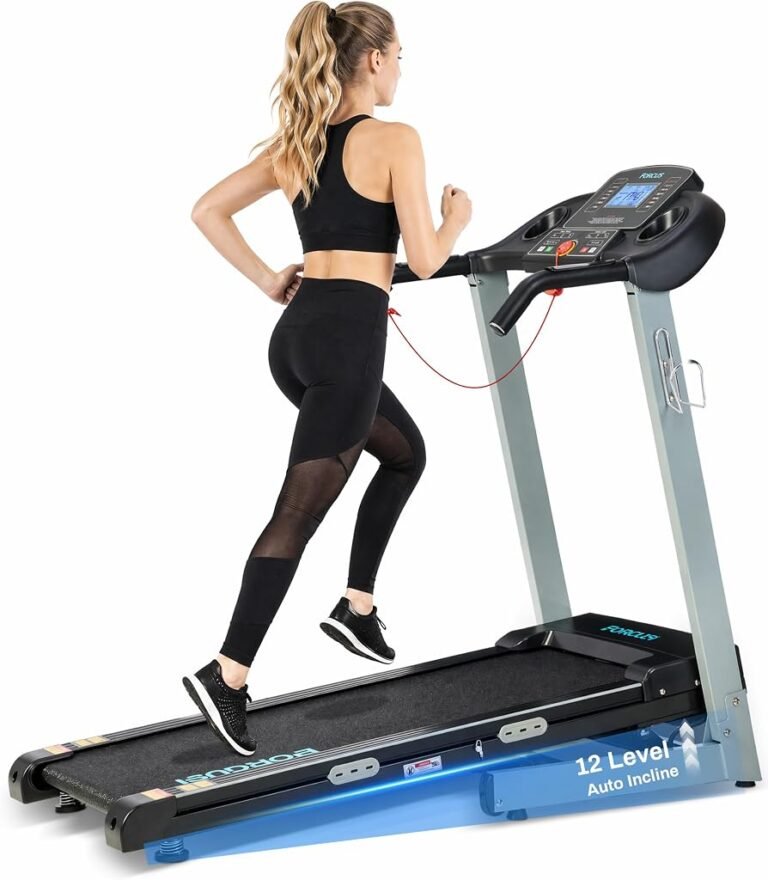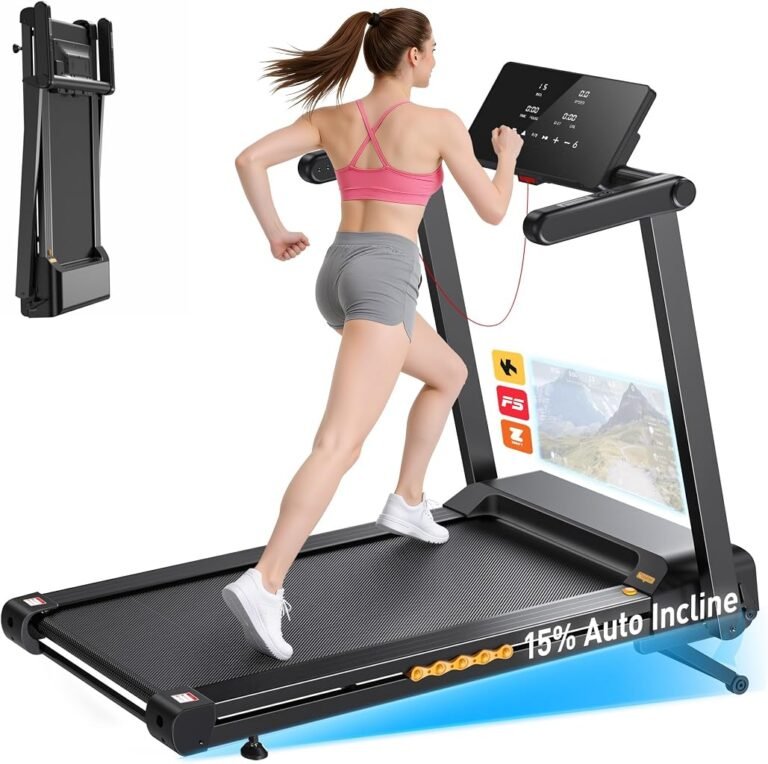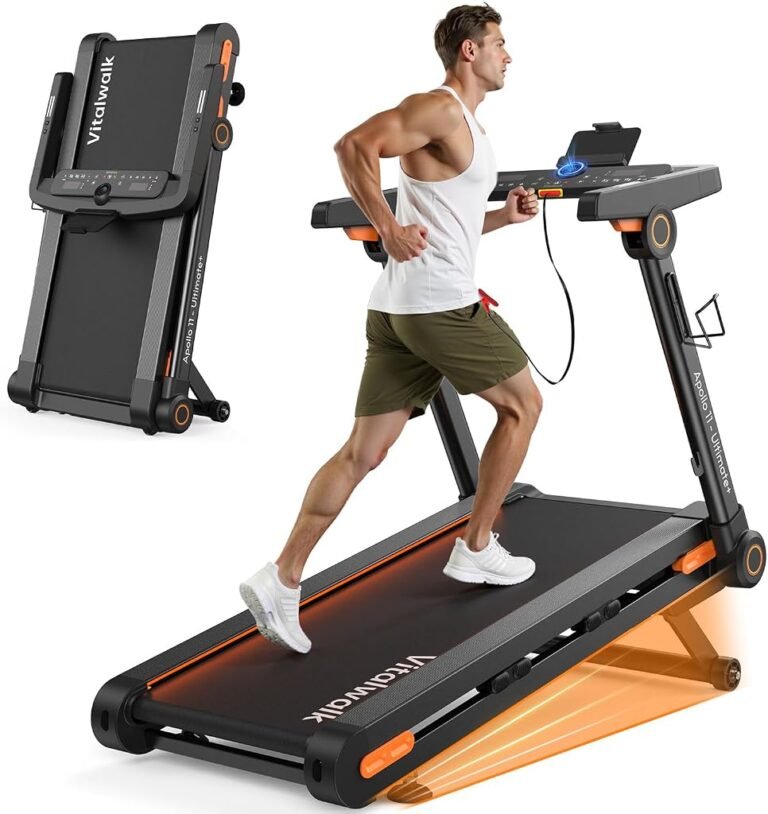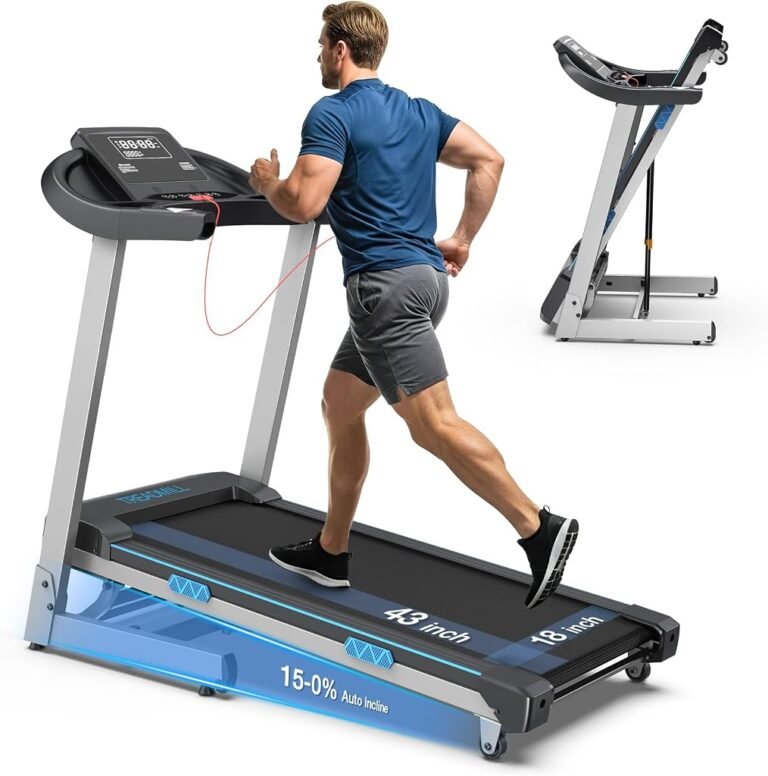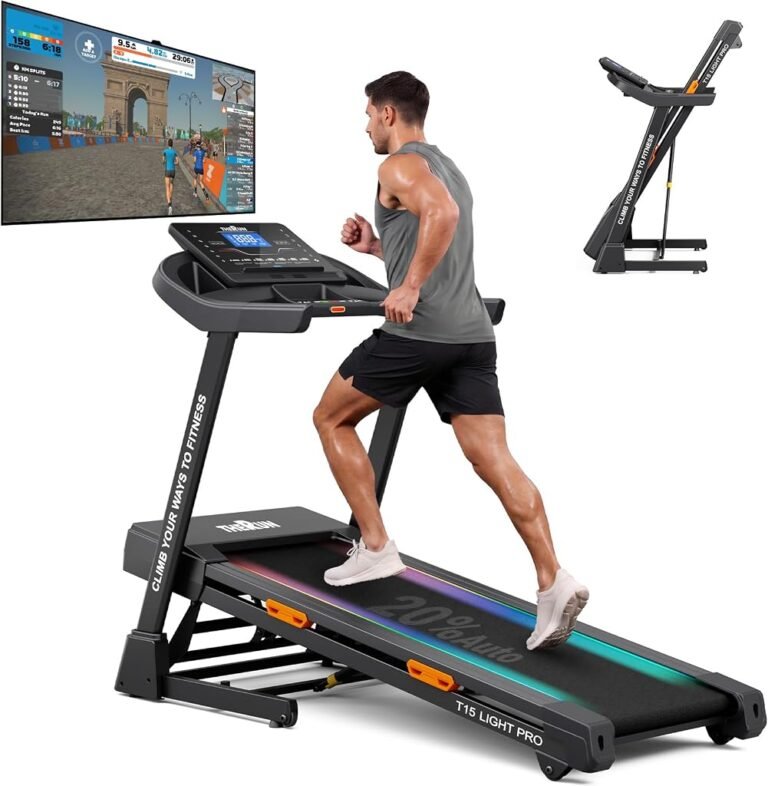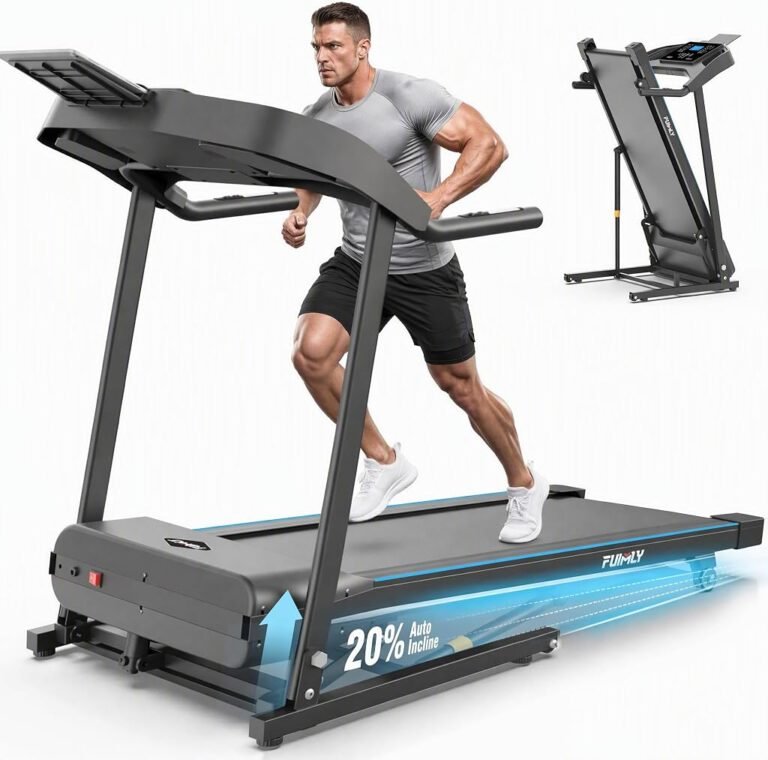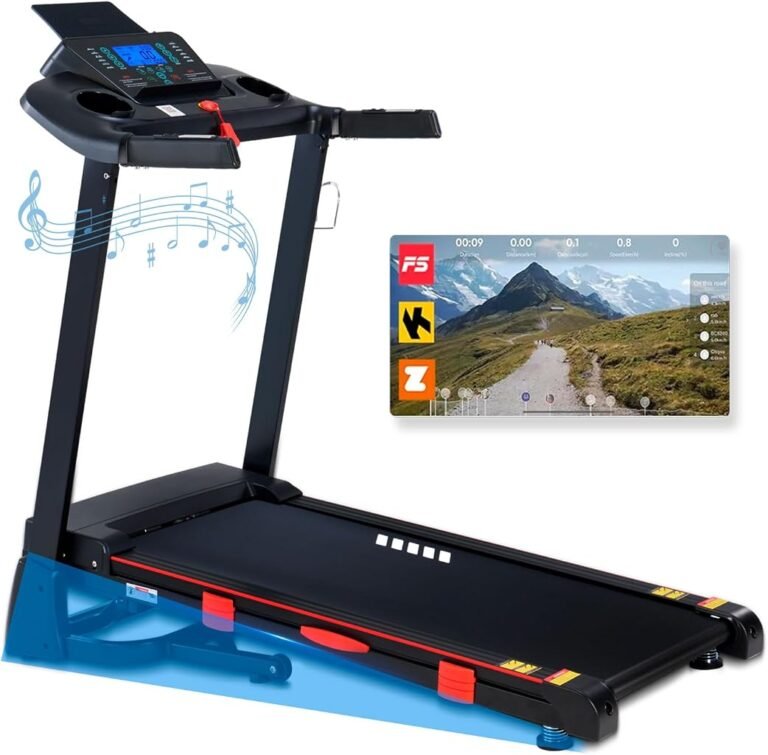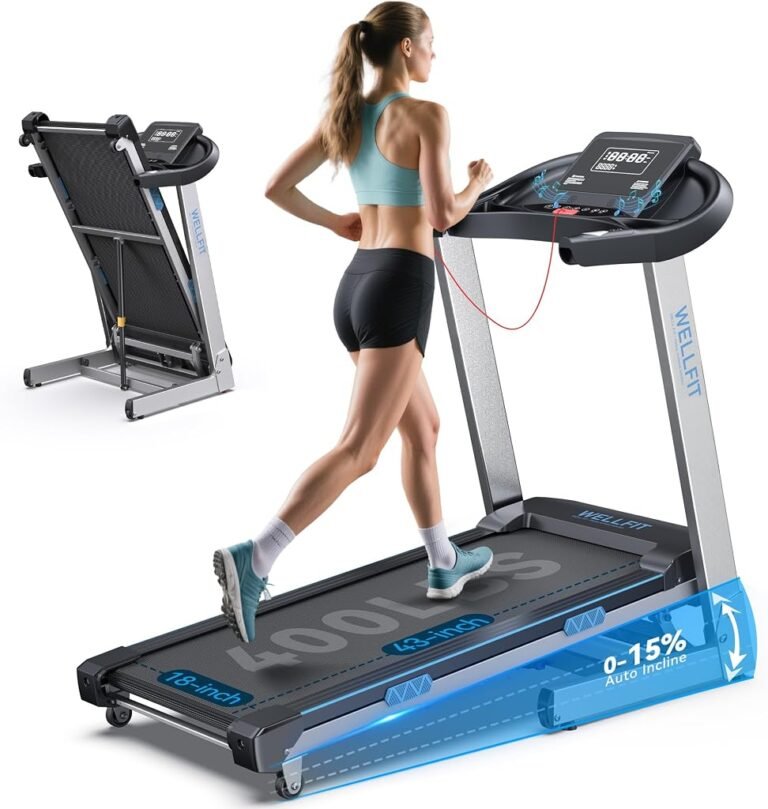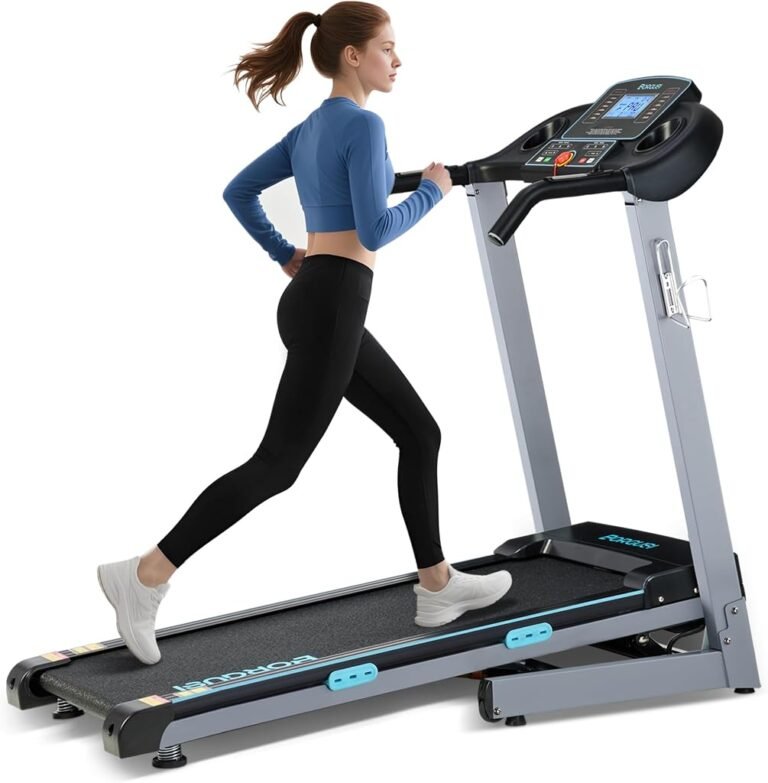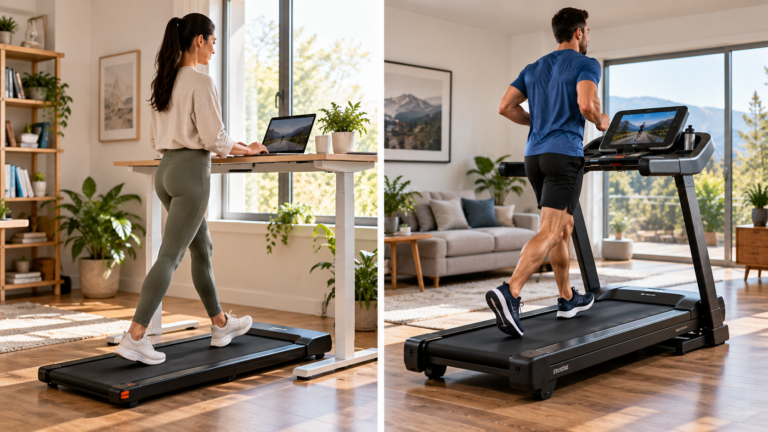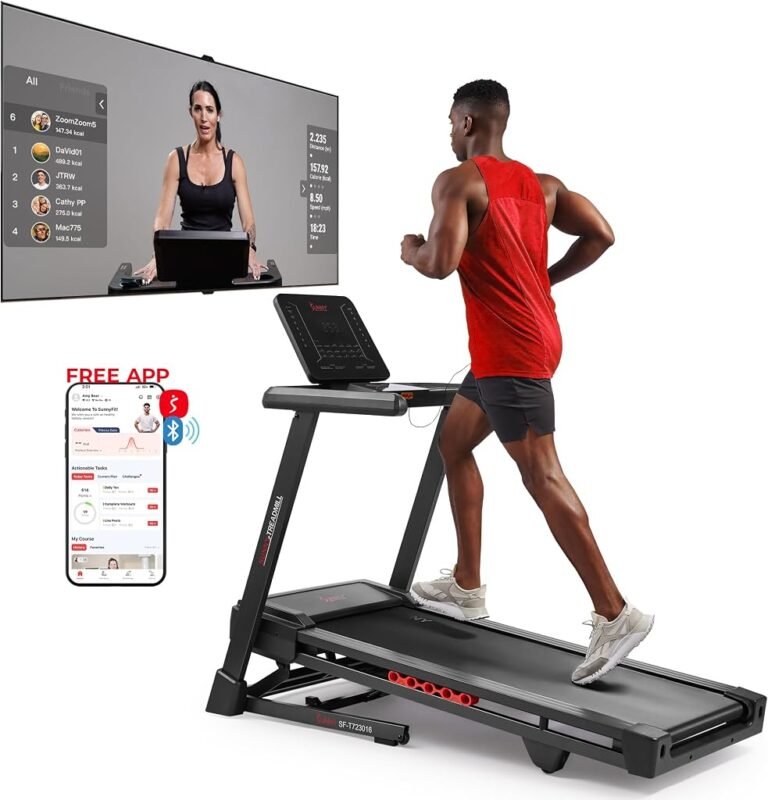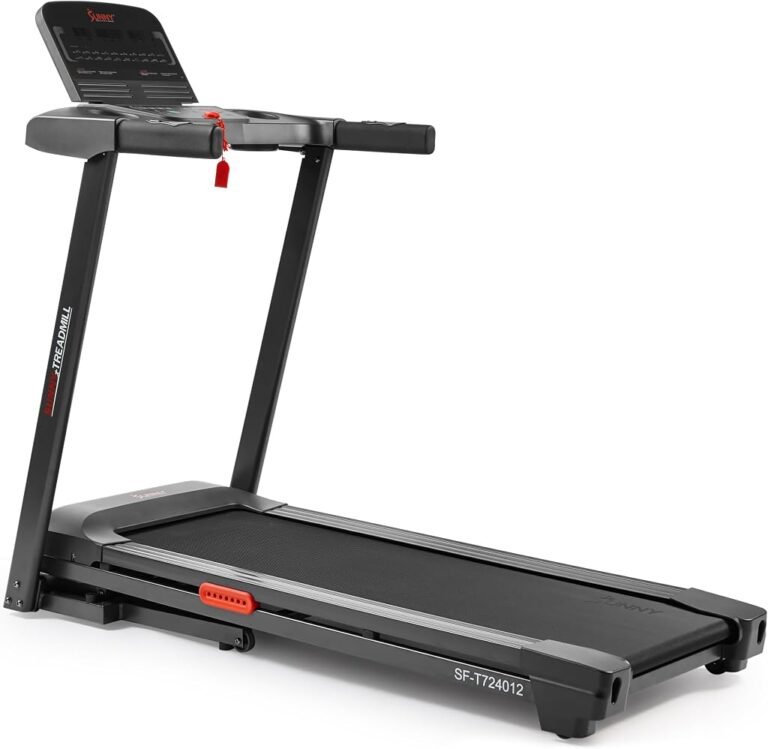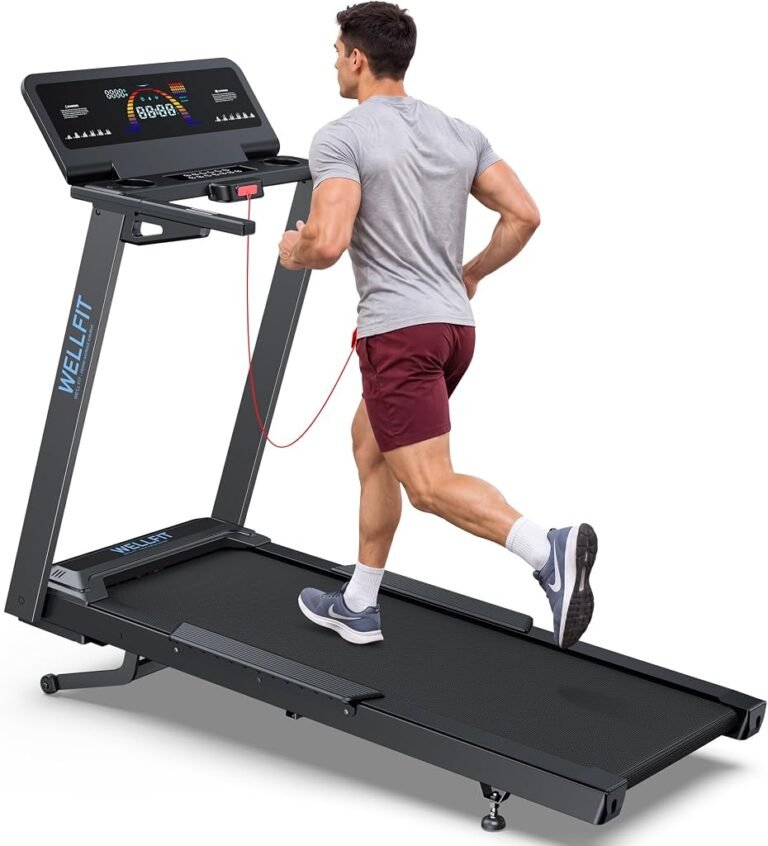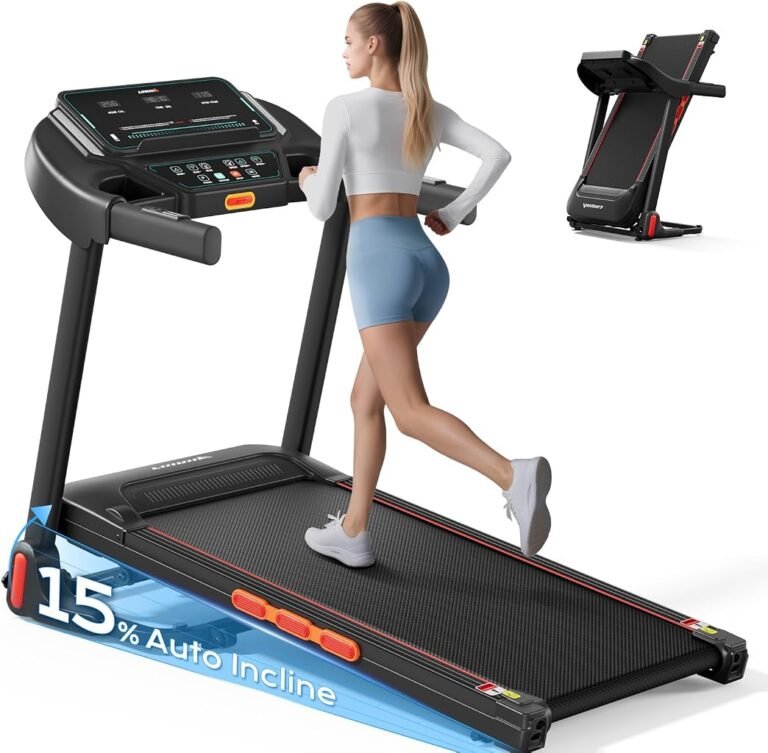
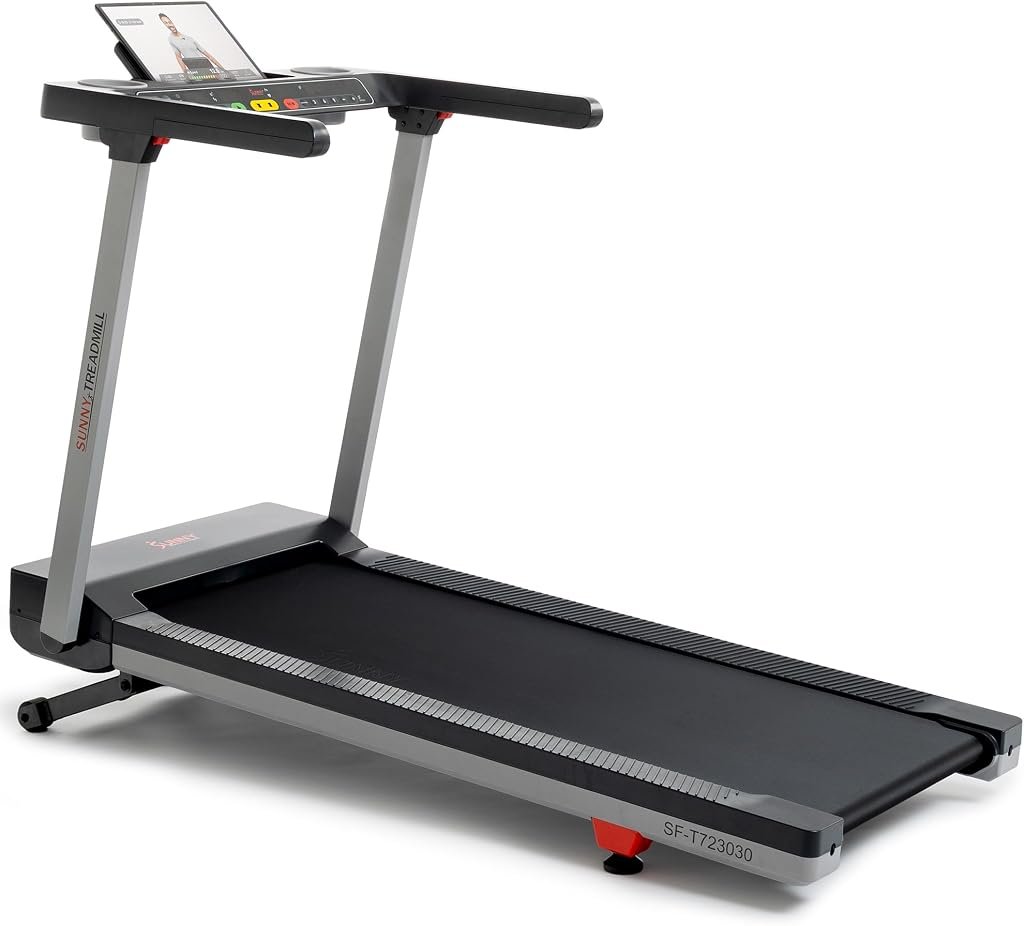
The first workout on a home treadmill is preceded by a less glamorous exercise: getting the machine ready to use. Boxes have to be moved, components identified, hardware sorted, frames lifted, instructions interpreted, and enough floor space cleared to complete the process. For a large piece of motorized equipment, setup can become a genuine part of the ownership experience.
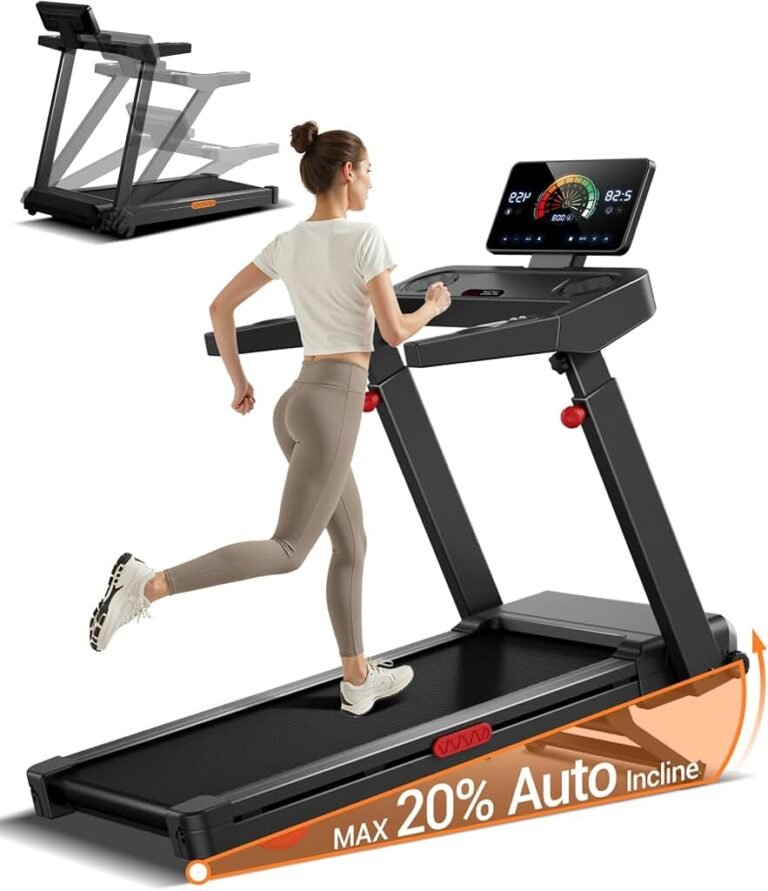
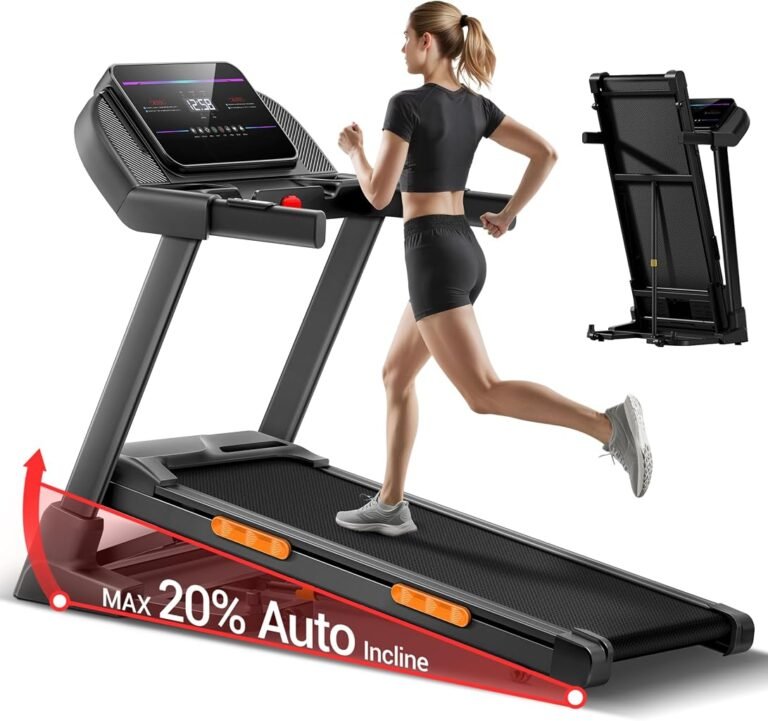
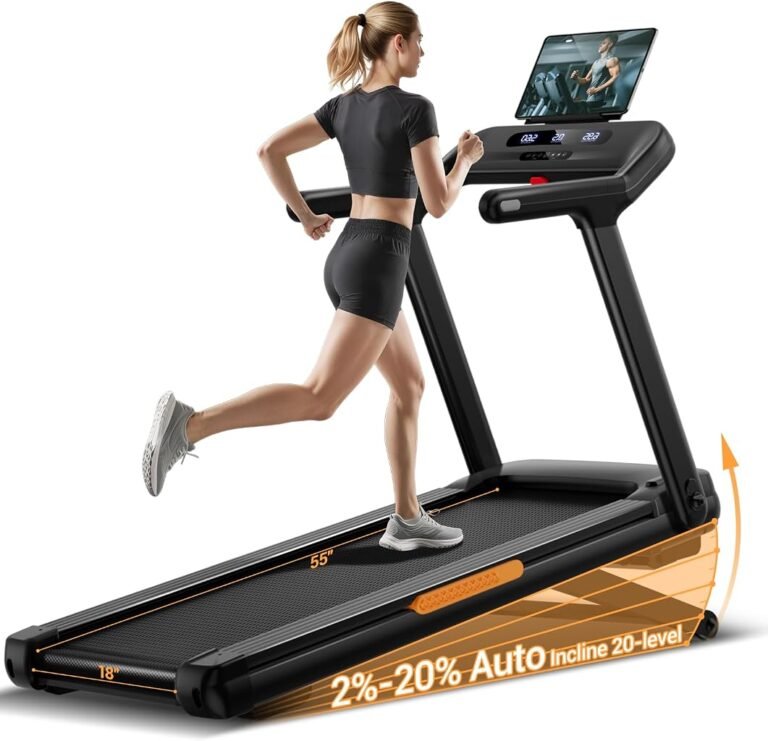
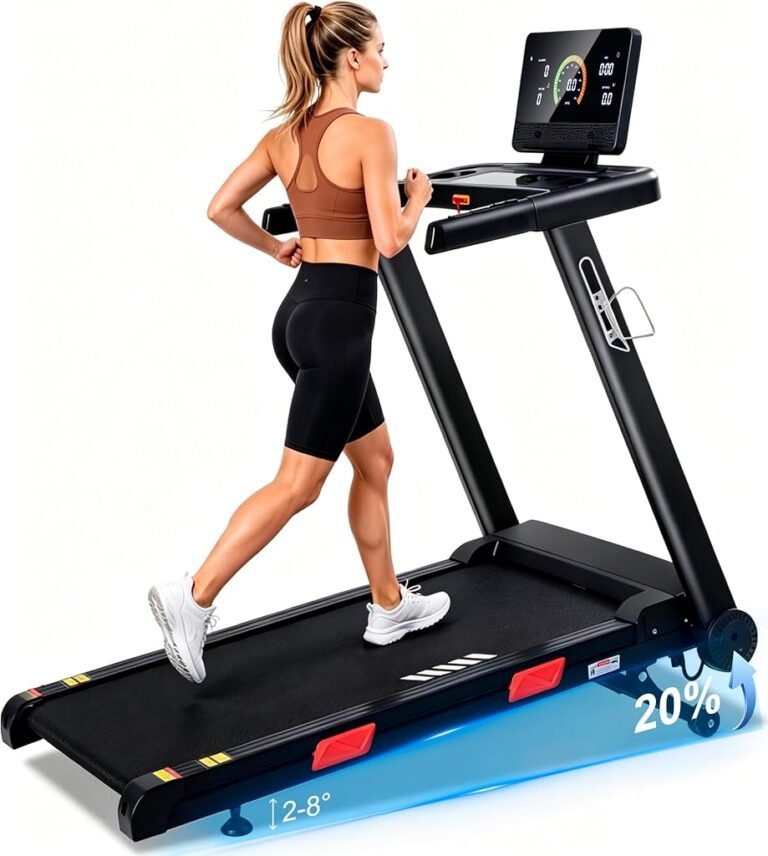
The Sunny Health & Fitness Fully Assembled Auto Incline Treadmill approaches that friction directly. Its defining proposition combines a fully assembled format with automatic incline and a home-gym focus. At $656.49, however, convenience is not enough by itself. The treadmill has to make sense as exercise equipment after the packaging disappears.
Our Score is 8.55/10. Buyer Confidence reaches an unusually high 9.8, Customer Sentiment is 8.28, and Value is 8.15. The pattern is revealing. Editorial confidence in the product proposition is substantially stronger than the value score, while Customer Sentiment sits 1.52 points below Buyer Confidence.
That difference deserves attention because a treadmill can remove setup friction without removing the more persistent questions surrounding home cardio: Does it fit the user? Does it fit the room? Will automatic incline actually be used? Is $656.49 justified by the intended exercise routine?
The Sunny treadmill makes a convincing case where convenience and regular exercise intersect. Its economics become less convincing when the machine’s defining capabilities are unnecessary.
Fully Assembled Is More Meaningful Than It Sounds
“Fully assembled” may initially appear secondary beside speed, incline, deck size, or motor specifications. In practical household use, it addresses a real barrier.
Treadmills are large mechanical products. Even folding models combine a frame, motorized belt system, console, rails, wiring, and moving components. Assembly can require physical handling that is considerably different from putting together a small appliance.
Removing that step has several implications.
First, it shortens the distance between delivery and exercise. Second, it reduces the chance that an owner will misunderstand an assembly sequence. Third, it can make treadmill ownership more approachable for people who do not want to lift or align large components.
That convenience should not be overstated. “Fully assembled” does not mean weightless, instantly positioned, or suitable for every room. Delivery still requires planning. The treadmill still needs to reach its operating location, and stairs, narrow hallways, door widths, flooring, and machine weight can matter.
Assembly and placement are separate problems.
Sunny Health & Fitness solves the former with this product’s stated fully assembled design. Buyers still need to solve the latter.
Our Score: 8.55/10
We rate the Sunny Health & Fitness Fully Assembled Auto Incline Treadmill at 8.55/10.
That is an excellent score, reflecting a product concept with unusually clear practical logic.
Automatic incline gives the treadmill a meaningful training variable. The fully assembled format reduces setup burden. The machine is aimed at home use, where ease of integration can matter almost as much as exercise capability.
The score stops short of the 9.8 Buyer Confidence figure because the $656.49 price introduces a more demanding value calculation.
A buyer who expects regular incline walking or broader treadmill exercise can make use of the machine’s central capabilities. Someone seeking only slow, flat walking may be paying for convenience and functionality that will rarely affect the workout.
That distinction matters.
Our score does not treat every additional feature as automatically beneficial. A feature earns its place when it changes how the owner uses the machine.
For this Sunny treadmill, automatic incline and preassembled construction are meaningful advantages. Their financial value depends on the household.
Buyer Confidence: 9.8
Buyer Confidence is the strongest editorial score at 9.8.
Sunny Health & Fitness has an established home-fitness equipment catalog spanning treadmills and other cardio categories, and the company publishes model-specific information through its official channels. That manufacturer infrastructure provides a stronger basis for buyer confidence than a product existing as an isolated marketplace listing.
The machine’s fundamental concept is also coherent.
There is little ambiguity about why somebody might want it. A home treadmill eliminates travel to a gym for treadmill sessions. Automatic incline expands workout variation. A fully assembled format removes one of the more tedious stages between delivery and use.
The 9.8 rating does not mean every buyer should purchase it.
High confidence in a product and universal suitability are different ideas.
The prospective owner still needs to verify the exact model’s:
- Running-surface dimensions
- Maximum speed
- Automatic-incline range
- Maximum supported user weight
- Operating dimensions
- Storage dimensions
- Machine weight
- Electrical requirements
- Safety-stop system
- Control arrangement
- Warranty coverage
- Maintenance requirements
- Clearance recommendations
Those specifications determine physical compatibility.
A highly credible treadmill can still be the wrong size for a particular runner or the wrong machine for a particular room.
Customer Sentiment: 8.28
Customer Sentiment receives an 8.28 rating.
That is favorable, but the 1.52-point gap below Buyer Confidence is too large to dismiss as noise in the score profile.
The difference reflects the realities of treadmill ownership.
A product can make excellent sense before purchase while producing more varied experiences once it enters different homes. Users differ in height, weight, stride, preferred speed, balance, noise tolerance, exercise frequency, and expectations. Homes differ in flooring, room size, storage options, electrical access, and the tolerance of other occupants for exercise equipment.
Price can sharpen those expectations.
At $656.49, owners are unlikely to judge the treadmill solely by whether the belt moves. Convenience, controls, incline operation, comfort, perceived stability, storage behavior, and overall usability all become more prominent.
Customer Sentiment at 8.28 remains a positive score. It simply imposes restraint on the much higher Buyer Confidence figure.
The Sunny treadmill has a credible proposition. The ownership experience still depends on fit.
Value: 8.15
Value is the lowest component score at 8.15.
That does not make the treadmill poor value. It means the $656.49 price needs justification through actual use.
Consider the basic arithmetic.
After 100 workouts, the initial purchase price represents approximately $6.56 per workout. After 250 sessions, that falls to roughly $2.63. At 500 workouts, it falls to about $1.31.
Those calculations exclude electricity, repairs, maintenance, financing, and any accessories. They are not a total ownership-cost calculation.
They illustrate something more fundamental: frequency changes the economics of home exercise equipment dramatically.
A treadmill used four times per week accumulates roughly 200 sessions in a year. One used twice per month does not.
The fully assembled format also has a less measurable value. For a buyer who strongly dislikes equipment assembly, removing that task can matter. For somebody comfortable assembling fitness equipment, it may carry little economic weight.
Value therefore depends on which problems the machine actually solves.
Automatic Incline Has a Measurable Purpose
Automatic incline is the more important long-run feature because it changes exercise rather than merely simplifying setup.
Inclined walking requires more physiological work than level walking under comparable conditions.
A study involving 24 healthy older adults compared treadmill walking at 0%, 10%, and 16% grades. Researchers found that net cardiopulmonary metabolic energy cost rose by 22.9% at 10% incline and 44.2% at 16% incline compared with level walking. Activity in several lower-limb muscles also increased as slope rose.
Those results come from a specific experimental population and should not be treated as predicted outcomes for every treadmill owner.
The underlying principle is highly relevant: incline can change exercise demand substantially without requiring the belt to move faster.
That gives automatic incline a clear purpose.
Users can incorporate flatter recovery periods, progressive climbs, hill intervals, or sustained grade into a session. The workout can change without the user having to step off and manually reposition the machine.
For regular walkers, that can be more useful than simply chasing higher speed.
Walking Already Meets a Serious Exercise Standard
A treadmill does not have to convert its owner into a runner to justify regular use.
The Centers for Disease Control and Prevention advises adults to accumulate at least 150 minutes of moderate-intensity physical activity each week, or 75 minutes of vigorous activity, or an equivalent combination. The agency notes that the activity can be spread through the week and specifically gives 30 minutes per day on five days as one route to the moderate-intensity target.
That makes brisk walking a serious use case for home treadmill ownership.
Five half-hour sessions reach 150 minutes. A person does not need to run, chase maximum incline, or perform exhausting daily workouts for the machine to contribute to a structured activity routine.
Automatic incline expands the available options within those minutes.
One session can remain relatively flat. Another can introduce short hills. A third can use moderate grade for a sustained section.
The treadmill supplies controllable variables. The owner supplies consistency.
Incline Can Change the Workload Without Chasing Speed
There is an appealing simplicity to increasing treadmill speed whenever exercise begins to feel easier.
It is not the only path.
A separate biomechanics study examined adults with obesity walking under different combinations of treadmill speed and incline. The researchers found that slower uphill walking produced moderate cardiovascular intensity while reducing several lower-extremity loading measures compared with faster level walking. In one comparison, peak knee extension and adduction moments were approximately 19% and 26% lower during slower walking at a 6-degree incline than during faster level walking.
The study population and experimental setup prevent that result from becoming a universal prescription.
Its relevance is conceptual.
Speed and grade can be manipulated separately.
That makes an automatic incline treadmill more versatile for walkers who want to change exercise demand without making faster running the inevitable destination.
Progress can mean longer sessions, slightly faster walking, additional grade, interval structure, or combinations of all four.
More Incline Is Not Automatically Better
Maximum incline figures are convenient marketing material because they can be compared instantly.
Human movement is more complicated.
Research on walking energetics has examined treadmill grades ranging from flat to 20%. In one study involving 12 healthy college-aged men, participants walked at 0%, 5%, 10%, 15%, and 20% inclines at several speeds, allowing researchers to examine how grade affected preferred walking speed and energetic cost.
The practical lesson is not that 20% should become a target.
The useful part of an incline system is the range of available settings between level and maximum.
A user who chooses such a steep grade that normal walking deteriorates, posture changes dramatically, or heavy handrail support becomes necessary has not necessarily created a better workout.
Automatic incline works best as an adjustable training variable rather than a number to maximize.
That distinction should guide how the Sunny treadmill is used.
Fully Assembled Does Not Eliminate Delivery Planning
The phrase “fully assembled” can create an understandable mental image: box arrives, treadmill appears, workout begins.
A large machine still has to get into the correct room.
This deserves practical attention before purchase.
Doorway width matters. Hallway turns matter. Stairs matter. Floor protection may matter. Machine weight matters. The final operating position needs adequate clearance and access to an appropriate electrical outlet.
A buyer planning to place the treadmill upstairs should think through the route before delivery rather than after a large carton arrives.
The same principle applies to apartment buildings.
Elevator dimensions, corridors, building rules, and the final doorway can become more relevant than assembly itself.
Fully assembled is a genuine convenience.
It simply moves the logistical question from “How will this be built?” toward “How will this be positioned?”
That is still progress, but it is not magic.
Home Exercise Equipment Has a Hidden Time Advantage
Price is visible. Time cost is less obvious.
A gym treadmill session may require transportation, parking, changing, waiting for equipment, exercising, and traveling home. Outdoor walking eliminates much of that friction but remains exposed to weather, darkness, traffic, and route availability.
A home treadmill compresses the process.
If a person has 30 available minutes, nearly all 30 can potentially become exercise time.
That convenience is difficult to express in a product specification, but it matters in real routines.
The CDC explicitly states that weekly activity does not have to happen all at once and can be divided into smaller portions. That flexibility aligns naturally with home exercise equipment.
A short session before work can count. So can a walk during a lunch break or after children are asleep.
The treadmill does not create time.
It can reduce the amount of time lost around exercise.
The Fully Assembled Design May Improve the First Week More Than the Fifth Year
Setup convenience is front-loaded.
Once the treadmill has been in place for months, the owner is unlikely to think frequently about having avoided assembly. By then, belt dimensions, incline controls, stability, noise, maintenance, and general usability dominate the experience.
This distinction matters when evaluating the $656.49 price.
Fully assembled construction can remove a meaningful initial barrier, but it should not outweigh the specifications that affect every workout.
The buyer should therefore resist choosing the Sunny treadmill solely because it arrives ready for use.
The more durable question is whether it is the correct treadmill after setup convenience has become a memory.
Automatic incline has longer-lasting relevance because it can affect every training week.
Physical dimensions have longer-lasting relevance because they affect every step.
User capacity, speed, storage requirements, and warranty have longer-lasting relevance because they determine compatibility and ownership risk.
Convenience deserves credit. Exercise fundamentals deserve more.
Home Treadmills Compete With the Furniture
A treadmill might be exercise equipment for 30 or 45 minutes each day. For the remaining hours, it is a large physical object in a room.
That fact shapes home ownership.
The machine must coexist with desks, beds, shelving, doors, pets, children, cleaning routines, and ordinary movement through the space.
Even if a treadmill can be repositioned or stored, machine weight and dimensions determine how realistic that routine becomes.
This is why buyers should measure the intended operating location before purchase.
Marking the footprint with removable tape can be surprisingly informative. It shows how much walking space remains around the machine and whether furniture still functions normally.
The path into the room should receive equal scrutiny.
A fully assembled treadmill can save setup work only if it can physically reach its destination.
The $656.49 Price Creates a Middle-Market Challenge
The Sunny treadmill sits in a demanding part of the market.
It costs considerably more than minimalist walking pads while remaining below many premium running machines.
That middle position requires discipline from the buyer.
Spending less can make sense when requirements are modest. Spending more can make sense when running performance, larger dimensions, stronger warranties, or advanced training systems justify the difference.
The Sunny has to win on fit rather than price alone.
Its case is strongest when three conditions are present:
- The buyer expects regular treadmill use.
- Automatic incline will become part of the routine.
- Avoiding substantial assembly work has genuine value.
Remove all three and $656.49 becomes difficult to defend.
Keep all three and the 8.15 Value rating becomes easier to understand.
Who Is This Sunny Treadmill Best Suited To?
The strongest candidate is someone seeking structured home cardio without wanting to assemble a large treadmill after delivery.
Automatic incline makes particular sense for walkers who want greater exercise variation without relying entirely on speed.
The machine may also suit households where convenience materially affects whether equipment gets used. Reducing initial setup friction can help the treadmill enter the routine sooner.
The proposition is weaker for someone who wants only slow, flat walking. Simpler equipment may satisfy that requirement at lower cost.
Dedicated runners should approach the decision differently.
They should prioritize verified belt dimensions, maximum speed, motor characteristics, stability, user capacity, machine weight, warranty coverage, and suitability for their expected training volume.
“Fully assembled” is useful, but runners spend far more time exercising on the treadmill than assembling one.
That should determine the hierarchy of purchasing criteria.
Where It Fits Among the Best Treadmills for Home Use
The best treadmills for home use are not automatically the machines with the largest screens, highest speeds, steepest grades, or longest feature lists.
Home equipment faces constraints commercial gym machines rarely encounter.
Space is finite. Noise affects other people. Equipment has to enter through domestic doorways. Storage can matter. Household budgets impose real trade-offs. Exercise may need to fit around work and family schedules.
The Sunny Health & Fitness Fully Assembled Auto Incline Treadmill addresses several of those pressures.
The preassembled format reduces startup friction. Automatic incline broadens exercise possibilities. Home placement eliminates travel time associated with gym-based treadmill sessions.
Its 8.55 overall rating reflects that practical combination.
The lower 8.15 Value score prevents convenience from becoming an excuse to overlook price.
What Buyers Should Verify Before Ordering
The most productive pre-purchase work requires measurements rather than enthusiasm.
Before ordering, buyers should verify:
- Exact running-surface width and length
- Maximum belt speed
- Automatic-incline range
- Number of incline adjustments
- Maximum supported user weight
- Operating dimensions
- Storage dimensions
- Machine weight
- Delivery requirements
- Electrical requirements
- Safety-stop arrangement
- Control layout
- Warranty coverage
- Maintenance instructions
- Recommended clearance around the treadmill
The route from the building entrance to the final room should also be measured when necessary.
That step becomes especially relevant for fully assembled equipment because a machine arriving in a more complete state may be less flexible when navigating tight spaces.
A few minutes with a measuring tape can prevent an expensive logistical mistake.
Where the Sunny Health & Fitness Treadmill Gives Ground
The 8.55/10 overall score leaves room for several reservations.
Price comes first. At $656.49, the machine must compete against less expensive treadmills that may adequately satisfy simpler exercise needs.
Second, the value of being fully assembled declines after installation. It is a meaningful convenience, but long-run satisfaction depends more heavily on exercise characteristics and physical fit.
Third, automatic incline matters only when used. A buyer who leaves the deck flat indefinitely is paying for functionality that contributes little to daily exercise.
Finally, Customer Sentiment at 8.28 and Value at 8.15 both sit substantially below Buyer Confidence at 9.8.
That score pattern produces a clear editorial judgment: confidence in the product concept is extremely high, while confidence that every buyer will extract equivalent value is lower.
The machine needs the right household.
Final Considerations
The Sunny Health & Fitness Fully Assembled Auto Incline Treadmill earns an 8.55/10 overall score by addressing two different sources of friction in home exercise.
The fully assembled format addresses the friction before the first workout. Automatic incline addresses the risk of repetitive, inflexible sessions afterward.
Buyer Confidence reaches 9.8, reflecting substantial confidence in the machine’s proposition and the logic of its feature combination. Customer Sentiment is 8.28, while Value is 8.15.
The differences matter.
At $656.49, this treadmill should not be selected merely because avoiding assembly sounds pleasant. That convenience is temporary. Exercise fit lasts much longer.
The more durable case rests on automatic incline, appropriate physical dimensions, a suitable speed range, compatibility with the intended user, and the likelihood of repeated use.
Published research demonstrates that treadmill grade can materially alter metabolic demand, while current CDC guidance calls for adults to accumulate at least 150 minutes of moderate-intensity physical activity per week. A home treadmill can make those minutes easier to schedule, particularly when weather, darkness, transportation, or limited free time interfere with outdoor or gym-based exercise.
The Sunny treadmill is therefore most convincing for a buyer who values both immediate convenience and long-run training flexibility.
Someone seeking occasional flat walking can probably satisfy that need more cheaply. A demanding runner should give verified performance specifications greater weight than preassembly. Between those groups sits the natural audience: a home exerciser who wants a treadmill ready to integrate into regular life with fewer setup barriers and enough incline capability to keep walking sessions adaptable.
That is why the 9.8 Buyer Confidence rating stands so far above the 8.15 Value score. The product idea is unusually easy to endorse. The economics require a more personal calculation.
If the treadmill will be used regularly, automatic incline will become part of the routine, and assembly would otherwise be a meaningful obstacle, the $656.49 price becomes easier to defend. If those conditions are absent, convenience alone is not enough.
The Sunny Health & Fitness Fully Assembled Auto Incline Treadmill ultimately succeeds by reducing the distance between intention and action. It arrives with one barrier already addressed. The remaining question is whether the owner will make use of that advantage often enough for the machine to earn its place in the home.