Home treadmills tend to be judged by a familiar set of numbers: price, incline, user-weight capacity, dimensions, motor output, speed and perhaps the number of preset workouts. Those specifications matter, but they can obscure the question that ultimately determines whether a treadmill earns its floor space: does its combination of features suit the way its owner will actually exercise?
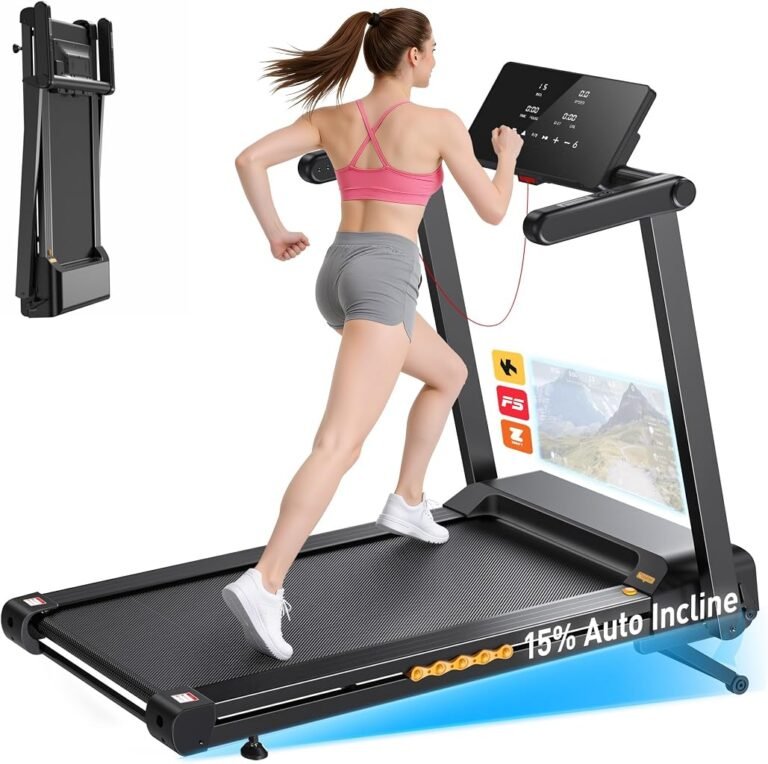
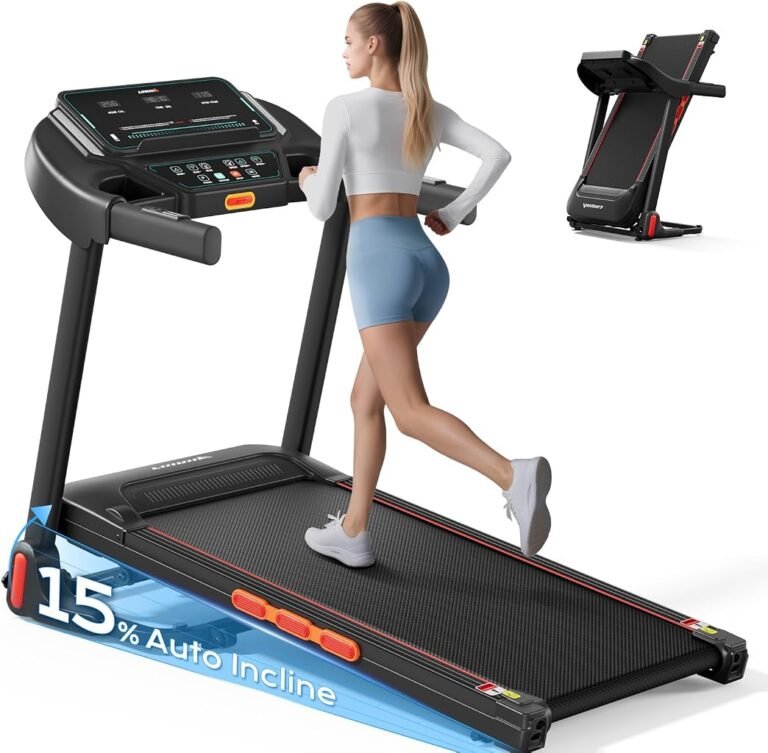
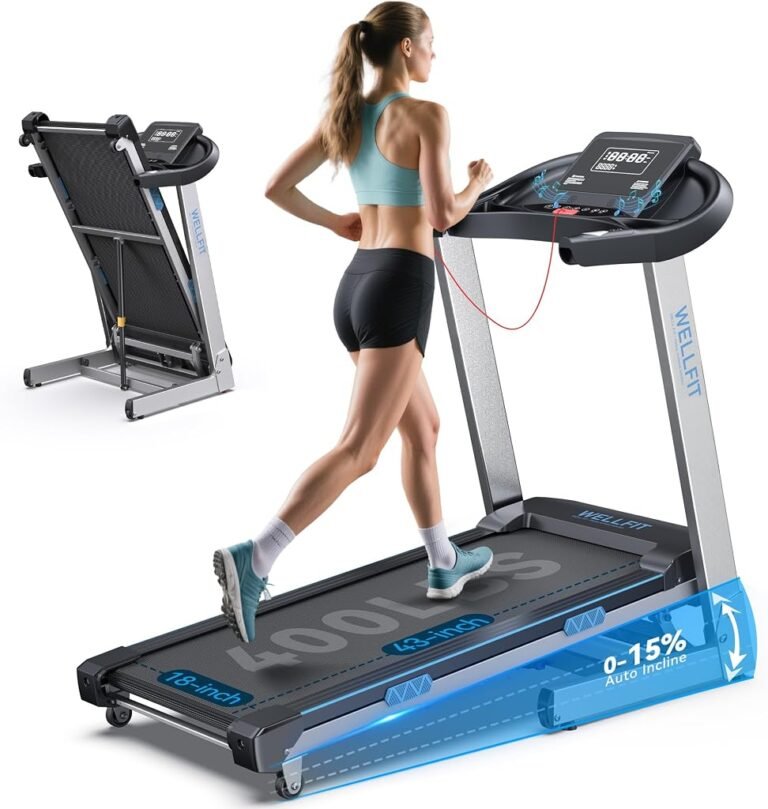
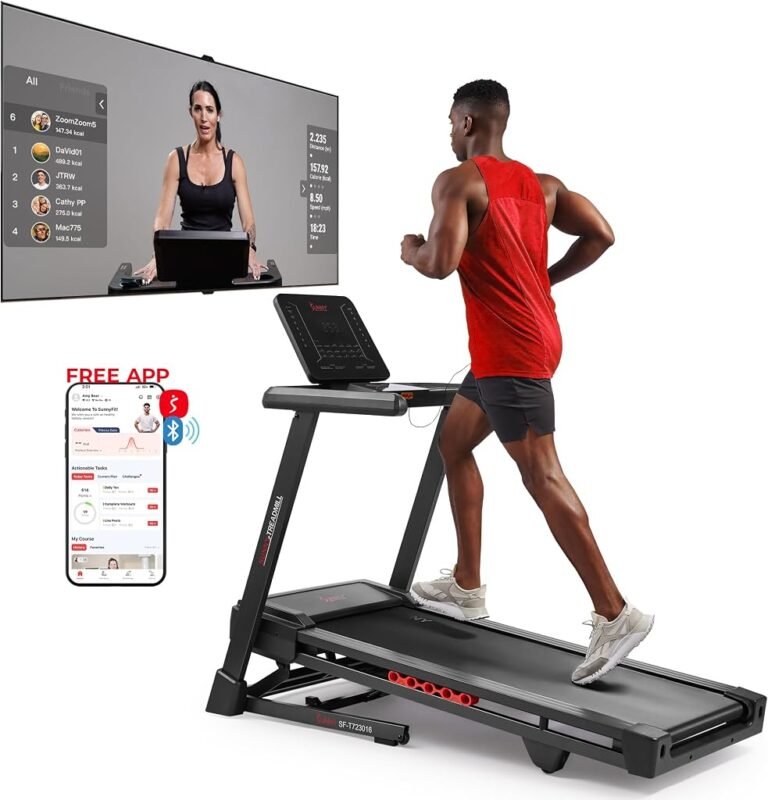
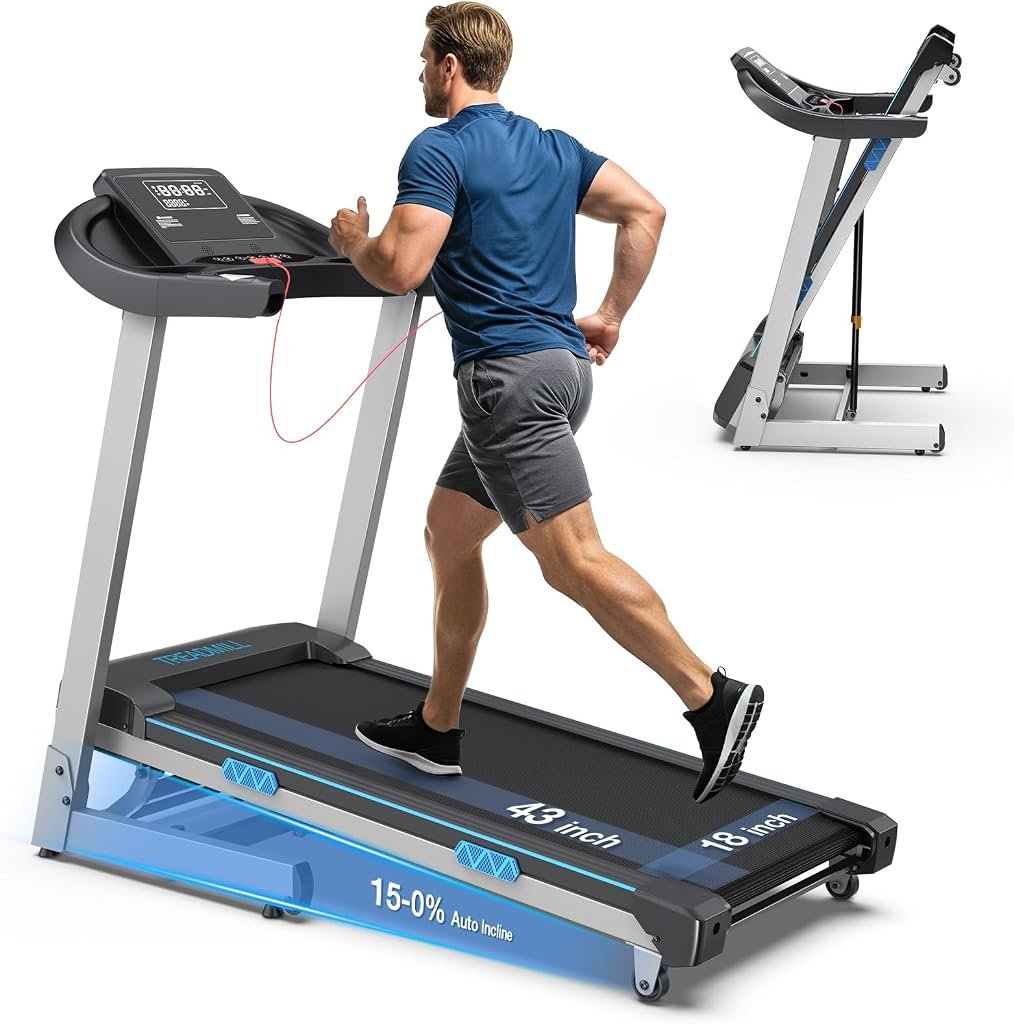
The treadmill examined here makes an unusually direct proposition. At $399.99, it combines a foldable structure, a stated 350-pound capacity and automatic incline reaching 15%. Our overall score is 8.14/10, placing it firmly in very-good territory. Customer Sentiment scores 8.06, Buyer Confidence reaches 8.52, and Value comes in at 8.03.
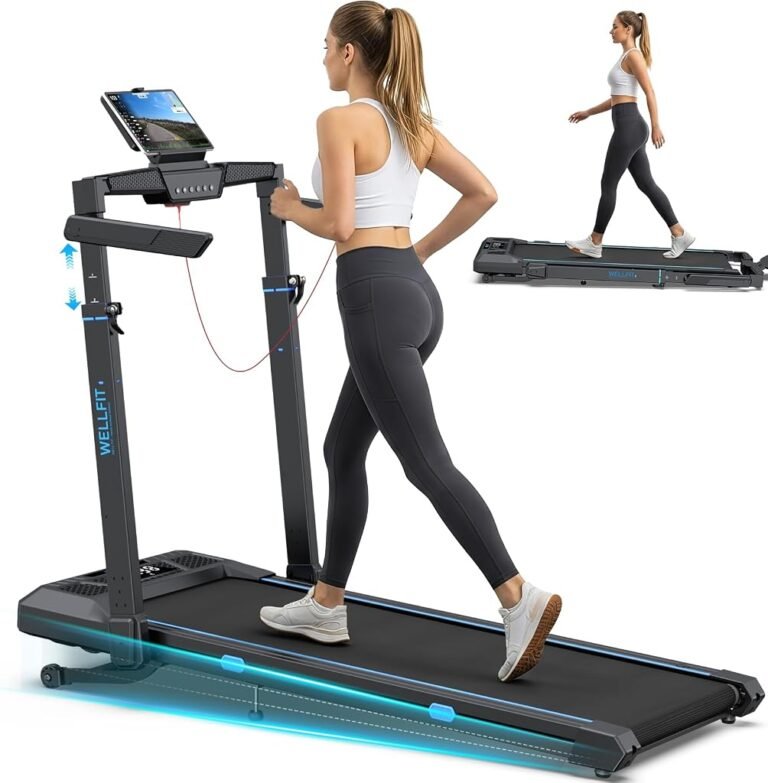
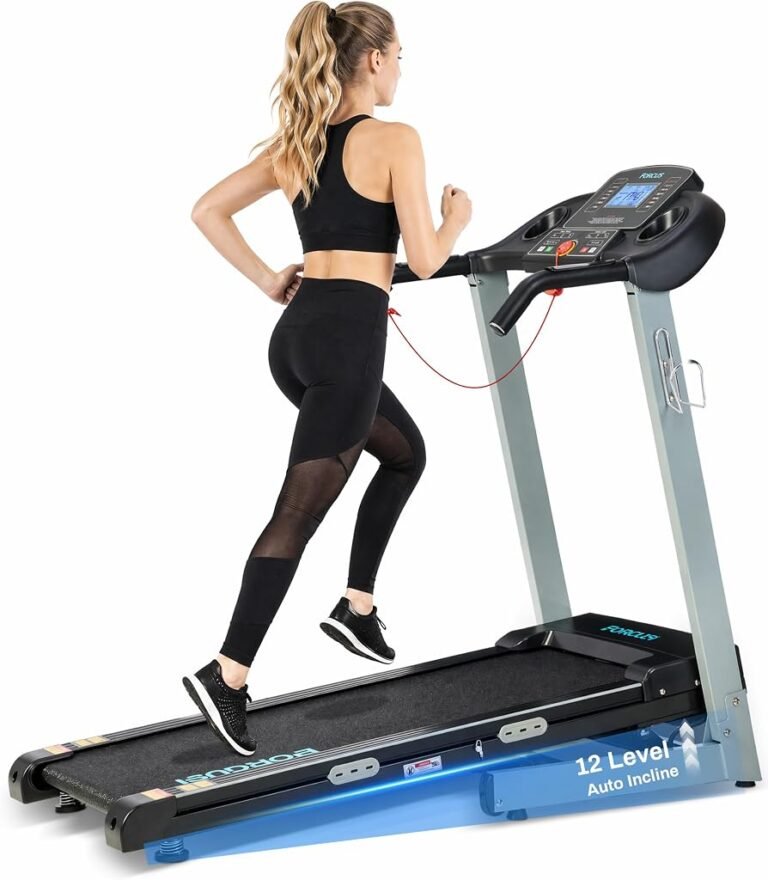
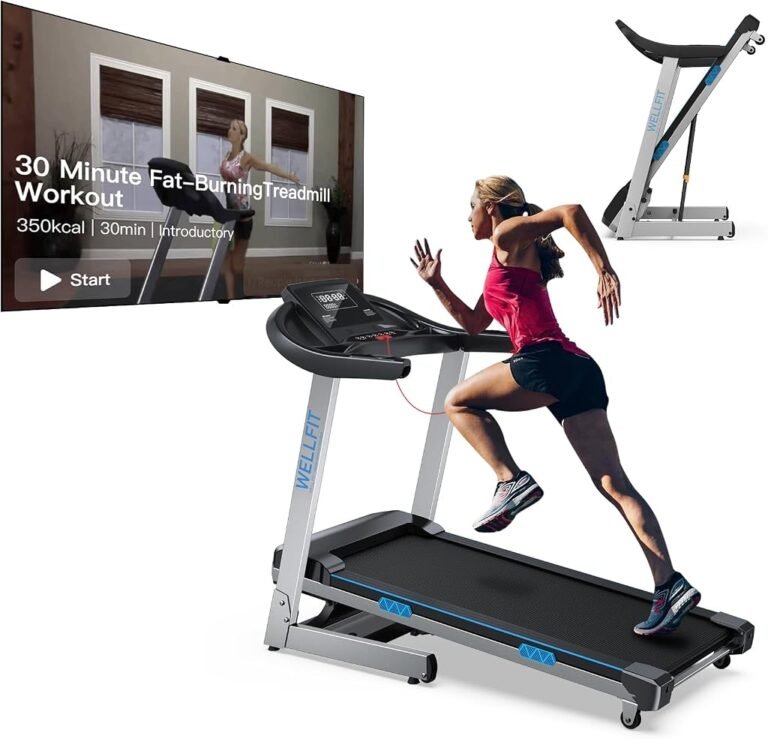
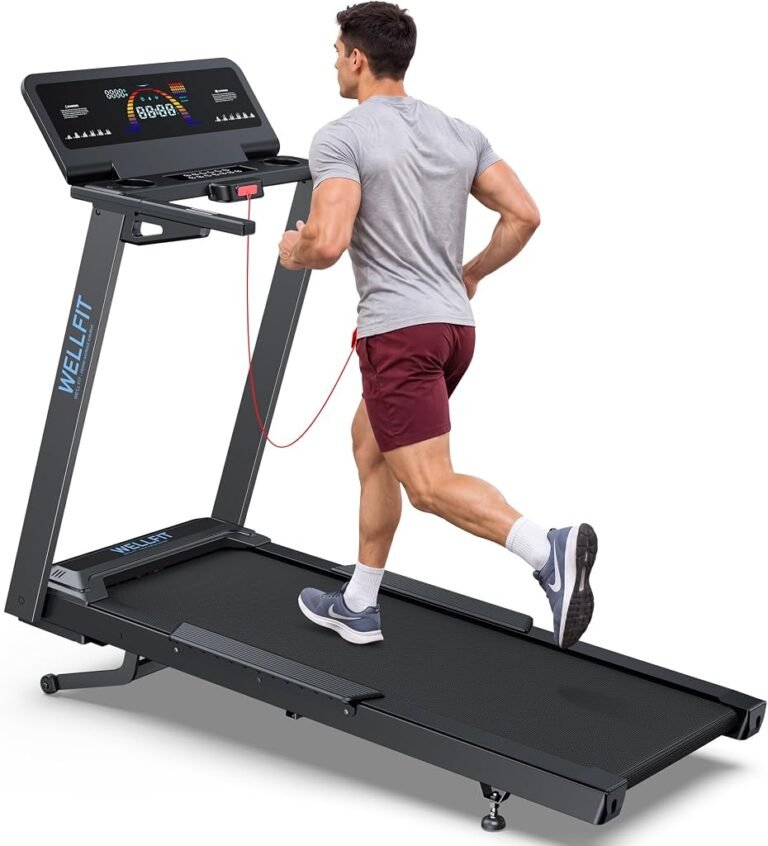
There is, however, an identity issue that needs to be addressed before examining anything else. Although this review is titled as a WELLFIT Heavy Duty Auto Incline Foldable Treadmill review, the identifiable product listing associated with the model is branded ATEEDGE. The original listing title identifies it as “ATEEDGE Treadmills for Home, 15% Auto Incline, Foldable, 350LB Capacity.” Buyers searching for the machine should therefore verify the brand and model shown on the live product page rather than assuming WELLFIT and ATEEDGE are interchangeable names.
That discrepancy does not erase the treadmill’s appeal, but it changes how carefully the purchase should be approached. In exercise equipment, a name is more than a logo. It determines which company stands behind documentation, replacement parts, warranty obligations and support.
The Central Attraction Is the 15% Automatic Incline
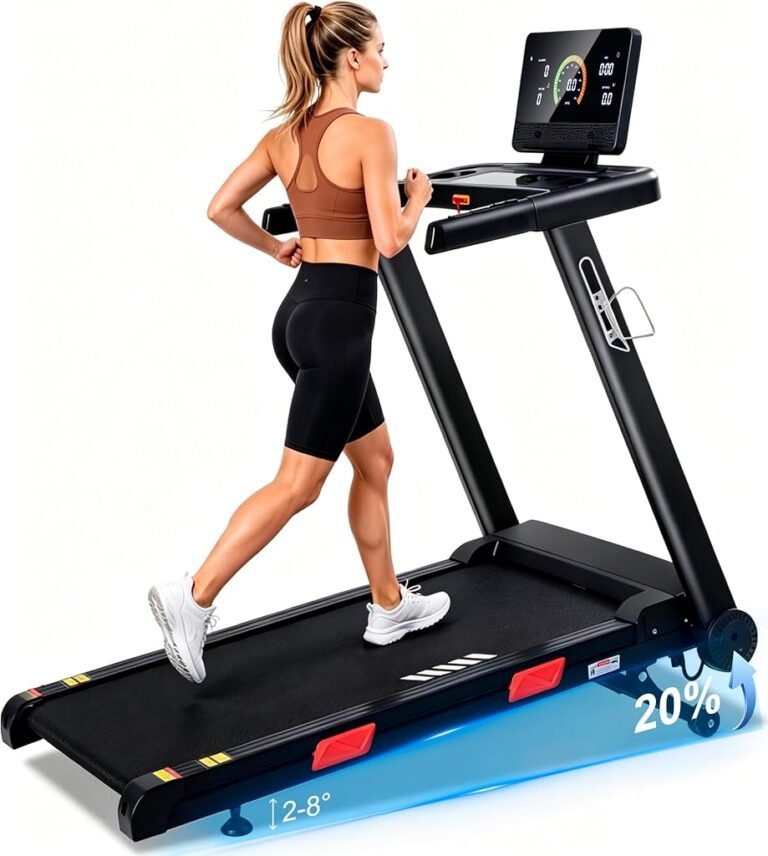
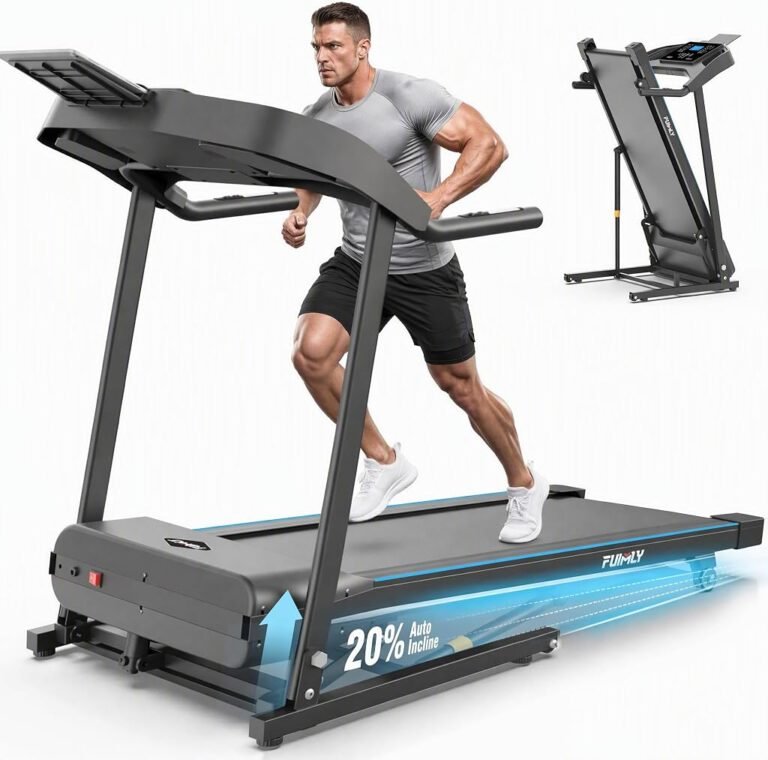
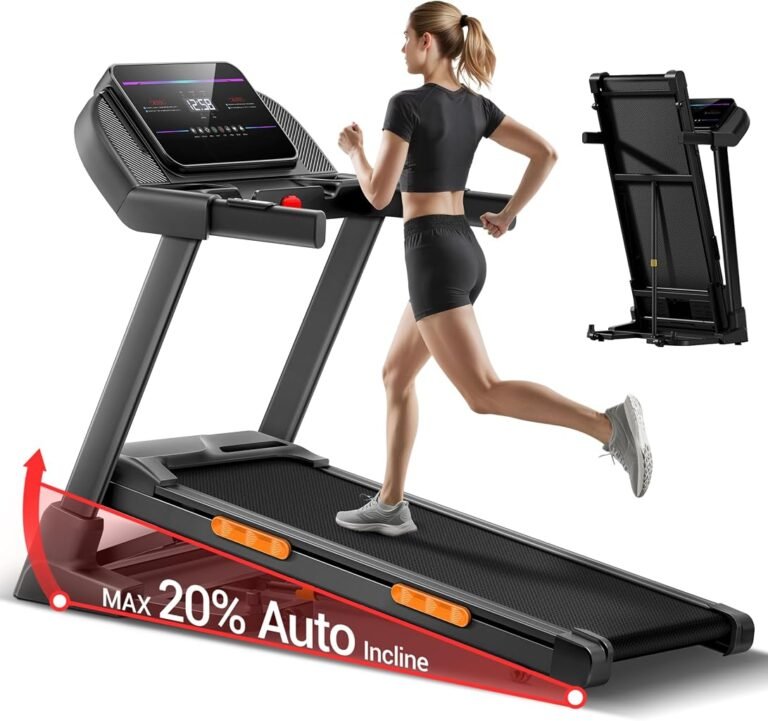
The specification that gives this treadmill its strongest identity is not its folding mechanism. Folding treadmills are commonplace. A stated 350-pound capacity is useful, but hardly unprecedented. The more consequential feature is the 15% automatic incline.
Incline changes the character of treadmill walking without forcing the user simply to chase higher speeds. That matters for people who prefer brisk walking, structured hill sessions or changing workloads during a workout.
There is useful physiological context here. The CDC’s current physical-activity guidance says adults aged 18-64 should accumulate at least 150 minutes per week of moderate-intensity activity, such as brisk walking, along with muscle-strengthening activity on at least two days.
The significance of a treadmill, then, is not that owning one creates fitness. It is that indoor equipment can remove practical barriers to accumulating those minutes. Darkness, poor weather, inconvenient routes and travel time to a gym cease to determine whether a walk happens.
Incline broadens that utility. In an American Heart Association discussion of walking intensity, Barry Franklin, Ph.D., is quoted explaining that treadmill incline can increase the workload of walking. His advice on progression is admirably compact: “But build up slowly.”
That is an appropriate framework for interpreting the 15% figure. Fifteen percent should not be read as a setting everyone needs to reach. Its greater value is the range it creates below the maximum. A treadmill capable of substantial elevation gives walkers room to progress and makes interval structures possible without relying entirely on speed.
For many home users, that may prove more useful than an impressive maximum-speed figure they rarely use.
Why Automatic Adjustment Matters
The word “automatic” deserves attention.
A manually inclined treadmill can still create demanding uphill sessions, but changing its elevation may require stopping and physically repositioning the deck. That discourages frequent grade changes. An automatic system turns incline into an adjustable training variable rather than a setting selected before the workout.
That distinction affects how the treadmill can be used. A session might alternate easier walking with steeper intervals, gradually raise the grade over several minutes or reduce incline during recovery periods.
The feature also aligns well with how moderate and vigorous exercise are understood. The CDC explains exercise intensity partly through breathing and heart-rate response rather than prescribing one universal walking speed. Moderate aerobic activity should make a person breathe harder and raise heart rate; individual fitness determines how much speed or grade is required to produce that response.
That makes incline particularly relevant to households where several people with different fitness levels share one treadmill. The same belt can support very different workloads.
It does not mean that a 15% grade is automatically appropriate for every user. Progression still matters, especially for people returning to exercise after long periods of inactivity.
Heavy-Duty Claims Need to Be Read Carefully
“Heavy duty” is one of the least standardized descriptions in consumer fitness equipment. It sounds technical while frequently functioning as marketing shorthand.
A more useful figure here is the stated 350-pound user capacity.
That rating materially broadens the treadmill’s potential audience. It also distinguishes the machine from compact walking pads and lightweight folding models built around much lower user limits.
Yet capacity and durability are not synonyms.
A 350-pound maximum tells the buyer what load the manufacturer says the treadmill supports. By itself, it does not establish how the frame, belt, incline mechanism or motor will behave after years of repeated use. Nor does a high weight limit prove commercial-gym durability.
The sensible reading is narrower: 350 pounds is a meaningful accessibility specification and provides greater headroom than a low-capacity compact treadmill. It should not be transformed into claims about service life that the number cannot prove.
This distinction is particularly relevant when comparing candidates among the best treadmills for home use. Maximum user weight deserves attention, but so do usable walking space, storage dimensions, warranty coverage, parts availability and the type of exercise the owner expects to perform.
A treadmill should be selected as a system rather than by one headline number.
Folding Is Useful, but It Does Not Make a Treadmill Disappear
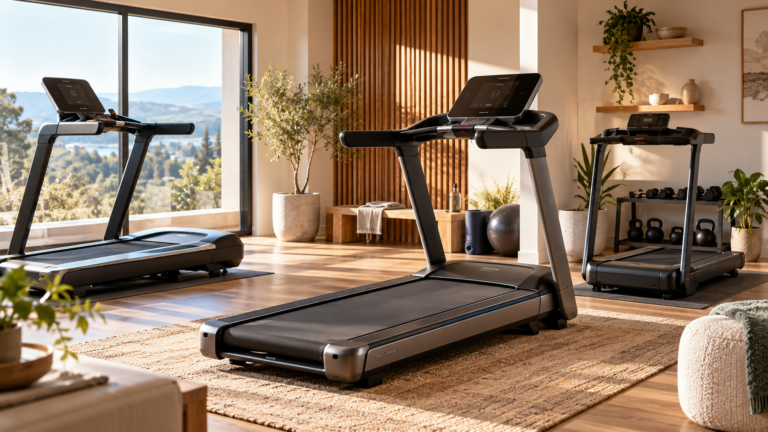
The foldable design addresses another persistent home-fitness problem: permanent floor-space consumption.
Exercise equipment often enters a household under optimistic assumptions about available space. A treadmill then spends most of its week occupying exactly the same area whether somebody is exercising or not. A folding deck can reduce that conflict.
The benefit is especially relevant in multipurpose rooms, smaller houses and apartments where exercise space must coexist with ordinary living space.
Still, “foldable” should never be translated mentally into “tiny.”
A substantial treadmill remains a substantial object after folding. Buyers should measure the intended storage area, the usable exercise area and the path through which the treadmill must travel during delivery. Door widths, stairs and turning clearance are mundane details until a large box reaches the hallway.
The same scrutiny should be applied to the folding procedure itself. A feature that technically saves space is less useful if the owner finds deployment inconvenient enough to discourage regular sessions.
Habit formation rewards low friction. If exercising requires reorganizing half a room every morning, the storage advantage can become a behavioral disadvantage.
The $399.99 Price Changes the Evaluation
At $399.99, expectations need calibration.
This is not priced like a premium connected treadmill built around large displays, subscription ecosystems and elaborate interactive training. Its case is simpler: deliver a useful mixture of incline capability, folding practicality and higher stated capacity at a relatively accessible equipment price.
Our Value score of 8.03 reflects that balance.
The score is positive rather than extraordinary because value is not the same thing as low price. A cheap treadmill that poorly matches its owner is expensive clutter. A more costly machine used consistently for years can be economically rational.
The $399.99 figure becomes persuasive when the buyer specifically needs the features this machine emphasizes. Someone intending to perform regular incline walking has a stronger reason to pay for it than somebody seeking only a flat walking surface for occasional low-speed sessions.
Likewise, the 350-pound capacity has greater value to a buyer who needs that margin than to someone for whom almost any conventional treadmill rating would suffice.
Value is therefore concentrated around fit. The machine makes the most sense when automatic incline, folding storage and higher capacity all solve genuine problems rather than merely increasing the specification count.
Our Score: 8.14/10
An 8.14/10 overall score indicates a treadmill with a coherent proposition and relatively few reasons for its intended buyer to dismiss it outright.
The score is not an assertion of perfection. Instead, it reflects the unusually useful combination of three characteristics: substantial automatic incline, a folding format and a 350-pound stated capacity at $399.99.
Those characteristics pull in directions that home-equipment designers frequently struggle to reconcile. A treadmill intended to handle greater loads benefits from structural substance. A treadmill intended for domestic storage benefits from compactness. An incline mechanism adds mechanical complexity. Bringing all three ideas together at this price creates legitimate appeal.
The reservation is product identity and purchase verification. With WELLFIT in the requested product name but ATEEDGE attached to the identifiable listing, buyers should make sure the live listing they are considering matches the intended treadmill before paying.
Our score therefore describes the machine’s proposition, not permission to purchase without checking the listing details.
Customer Sentiment: 8.06
Our Customer Sentiment score is 8.06.
That figure sits close to the overall score, which is useful because it does not create a large gap between the editorial assessment and the broader customer-satisfaction signal incorporated into our scoring.
An 8.06 suggests generally favorable reception while leaving room for the ordinary compromises expected in consumer exercise equipment.
The appropriate interpretation is not that every owner will encounter the same experience. Treadmills are particularly sensitive to context. A feature considered excellent by an incline walker may mean little to a runner prioritizing long-stride deck space. A folding mechanism can be highly useful in a spare bedroom and irrelevant in a dedicated gym.
Customer sentiment therefore strengthens the treadmill’s case without replacing buyer-specific evaluation.
Buyer Confidence: 8.52
Buyer Confidence is the highest of our four ratings at 8.52.
That is a meaningful separation. It indicates greater confidence in the purchase proposition than the Value or Customer Sentiment figures alone would suggest.
Several characteristics explain why the product can earn that position. Its major selling points are straightforward and easy to evaluate before purchase: 15% automatic incline, folding construction, 350-pound stated capacity and a $399.99 price.
These are functional attributes rather than vague lifestyle promises.
Yet the naming discrepancy remains the item buyers should resolve themselves. The associated product listing should be checked for current branding, seller identity, specifications, warranty language and return conditions before an order is placed. Those details can change over time, and they matter far more with a large mechanical product than with a small accessory.
What This Treadmill Gets Right
The strongest parts of the design concept can be reduced to a few practical advantages:
- A 15% automatic incline creates substantial room for walking progression and varied training.
- The stated 350-pound capacity expands the potential user range.
- Folding construction addresses the space problem inherent to home cardio equipment.
- The $399.99 price keeps the proposition outside the premium treadmill bracket.
- The feature combination is especially coherent for users whose primary activity is indoor walking with changing grades.
The notable point is how these features reinforce one another.
This is not merely a treadmill that happens to incline. Its strongest use case is someone who wants walking to become a repeatable training activity rather than a fallback option when outdoor exercise is inconvenient.
That distinction matters because walking is often underestimated precisely because it is familiar.
The American Heart Association describes walking as an accessible form of physical activity and notes that brisk walking can contribute toward the roughly 150 weekly minutes associated with health benefits.
A home treadmill cannot supply motivation by itself, but it can make walking measurable, repeatable and independent of outdoor conditions.
Where Buyers Should Be More Critical
The first concern is the branding discrepancy already identified. Product identity should be established before purchase.
The second is a broader limitation of specification-driven treadmill shopping: headline numbers do not answer every ergonomic question.
A 350-pound capacity, for example, says nothing by itself about whether a particular user will like the available walking area. A 15% incline says nothing about whether somebody prefers steep walking. Folding capability does not establish whether a given room has enough clearance.
The third limitation is the natural boundary of this treadmill’s appeal. Someone building a serious running setup should assess different priorities from someone pursuing incline walking. Runners often place greater emphasis on usable belt dimensions, high-speed stability, motor behavior under sustained load and stride accommodation.
No treadmill should be called universally suitable merely because it carries several attractive specifications.
Who Is the Best Fit?
This machine makes the strongest case for adults who expect walking to form a substantial part of their weekly aerobic activity and want the ability to increase workload through incline.
It is also logically suited to households where permanent gym space is unavailable and folding storage therefore has practical value.
The 350-pound stated capacity makes it relevant to buyers who require greater load support, though purchasers approaching any machine’s maximum rating should pay particular attention to the manufacturer’s current instructions and operating limits.
There is also a compelling case for people who dislike running but still want a treadmill with room for progression. Exercise does not have to become faster indefinitely to become harder. Grade provides another variable.
For previously inactive adults, however, progression should be measured. The CDC’s guidance on adding physical activity states that moderate activity is safe for most people but advises people with chronic health conditions to discuss appropriate activity with a healthcare professional; it also advises consultation before beginning vigorous activity in several circumstances, including prolonged inactivity.
A maximum incline is a capability, not a target.
Who Should Look Elsewhere?
The treadmill becomes less convincing for buyers who do not expect to use incline. Much of its identity rests on that feature, so paying for an automatic 15% system makes less sense when the intended routine consists almost entirely of easy, level walking.
Dedicated runners should also perform a more demanding comparison before choosing it. The priorities of sustained running differ from those of walking and hill sessions, and this review does not infer running-deck characteristics or high-speed performance beyond verified specifications.
People who have room for a permanently installed treadmill may also place less weight on folding. Once that advantage disappears, competing machines can be judged more heavily on other dimensions.
Finally, anyone unable to verify whether the machine being sold is WELLFIT, ATEEDGE or another variation should resolve that question before ordering. Brand ambiguity is manageable when it is investigated before purchase; it becomes much less pleasant when replacement parts or support are needed later.
Turning the Incline Into a Useful Training Tool
For a new owner, the most productive approach is unlikely to involve immediately chasing 15%.
Consistency is a better starting objective.
The federal activity target offers a simple reference point: at least 150 minutes of moderate aerobic activity each week for adults, alongside two days of muscle-strengthening activity. Those 150 minutes do not need to occur in one block. The CDC explicitly notes that activity can be distributed through the week and divided into smaller chunks of time.
That makes a home treadmill particularly adaptable.
A user might begin with manageable level walks, introduce modest grades once those sessions feel routine and later alternate incline and recovery periods. The machine’s automatic adjustment makes those changes more convenient.
Intensity can also be monitored without turning every session into a mathematics exercise. The American Heart Association article featuring Franklin describes conversational ability as a practical gauge: moderate walking makes conversation possible but less easy, while vigorous activity makes conversation difficult.
That is a more sensible framework than assuming a particular incline percentage produces identical effort for everyone.
Final Considerations
The treadmill reviewed under the WELLFIT Heavy Duty Auto Incline Foldable Treadmill name presents a strong feature-to-price proposition, but buyers should recognize that the identifiable associated product is branded ATEEDGE. That distinction deserves verification rather than dismissal.
Once identity is settled, the machine itself has an intelligible purpose.
Its 15% automatic incline is the centerpiece. The 350-pound stated capacity widens its potential user base. Folding construction acknowledges the spatial reality of home exercise equipment. At $399.99, those characteristics combine into a package that earns our 8.14/10 overall score.
Customer Sentiment at 8.06 supports a favorable editorial assessment without suggesting universal fit. Buyer Confidence, the strongest rating at 8.52, reflects a product proposition built around concrete functional attributes. Value at 8.03 indicates that the price is well aligned with the feature set, particularly for households that will actually use the incline and folding functions.
The treadmill is most persuasive as a walking and incline-training machine for home users who want controllable progression without dedicating a permanent room to cardio equipment. Its case is weaker for buyers who have no use for substantial incline or whose priorities center on sustained running characteristics not established here.
That distinction is what separates useful shopping from specification collecting. The best treadmills for home are not necessarily the machines with the longest feature lists. They are the ones whose capabilities remove the specific obstacles that keep their owners from exercising consistently.
For the right household, automatic incline, a 350-pound stated capacity and foldable storage address three such obstacles at once. That makes this treadmill a credible candidate at its $399.99 price-provided the buyer first confirms exactly whose name is on the machine being purchased.