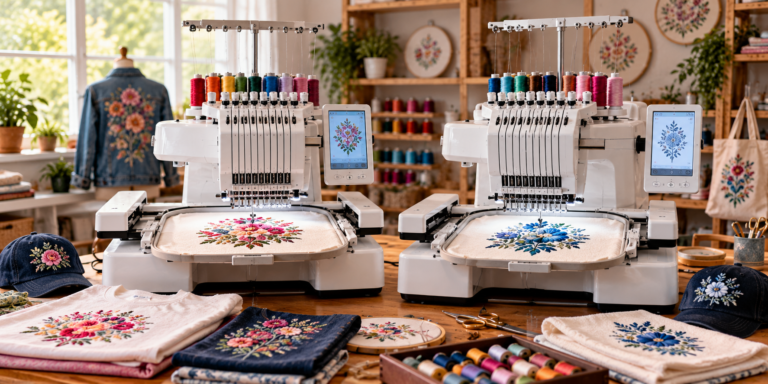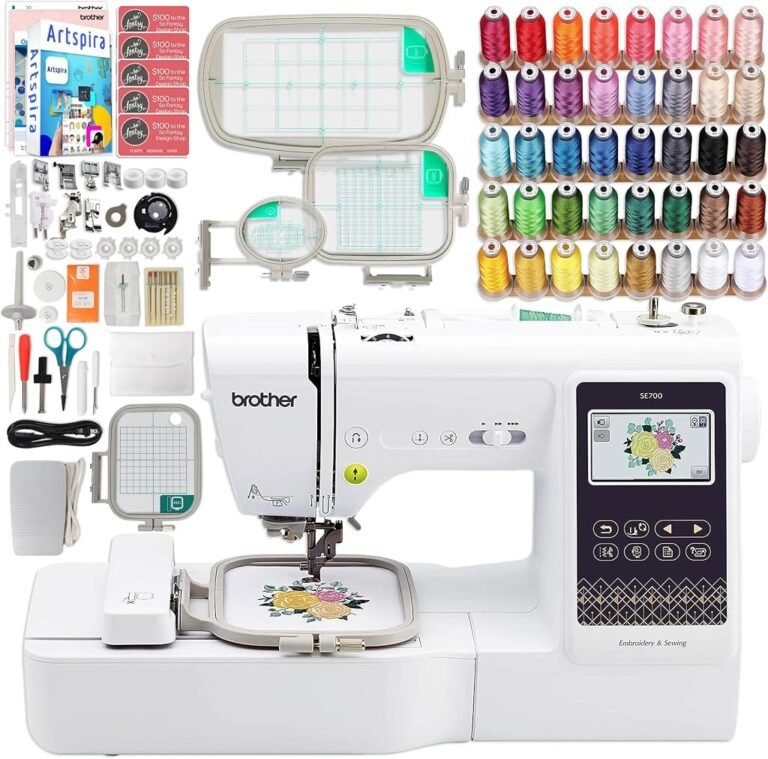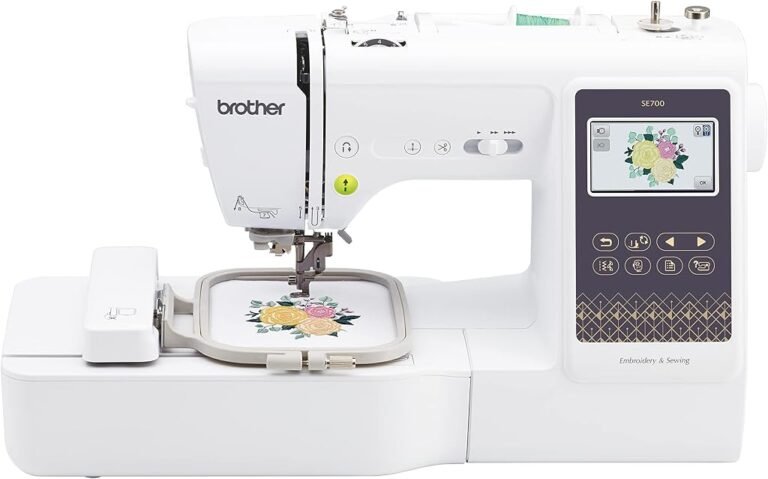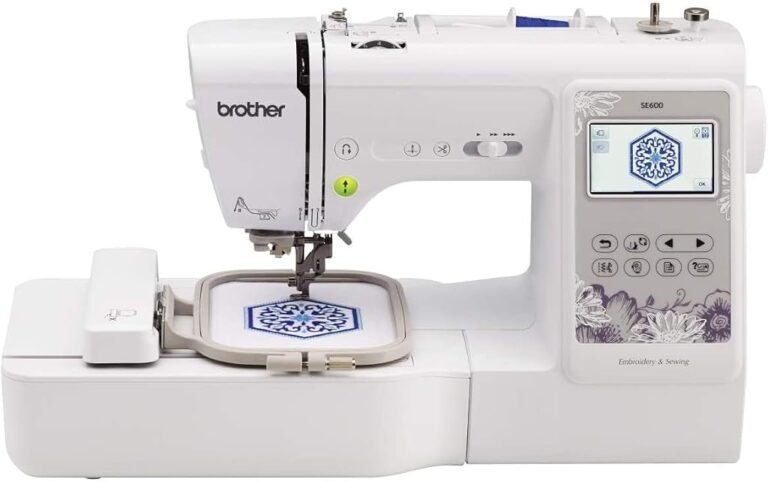
The difference between a single-needle and multi-needle embroidery machine appears obvious until the machines are placed into an actual workflow. One has one active needle. The other has several. Yet that simple numerical distinction changes thread handling, operator involvement, garment access, production rhythm, physical footprint and, eventually, the economics of embroidery.
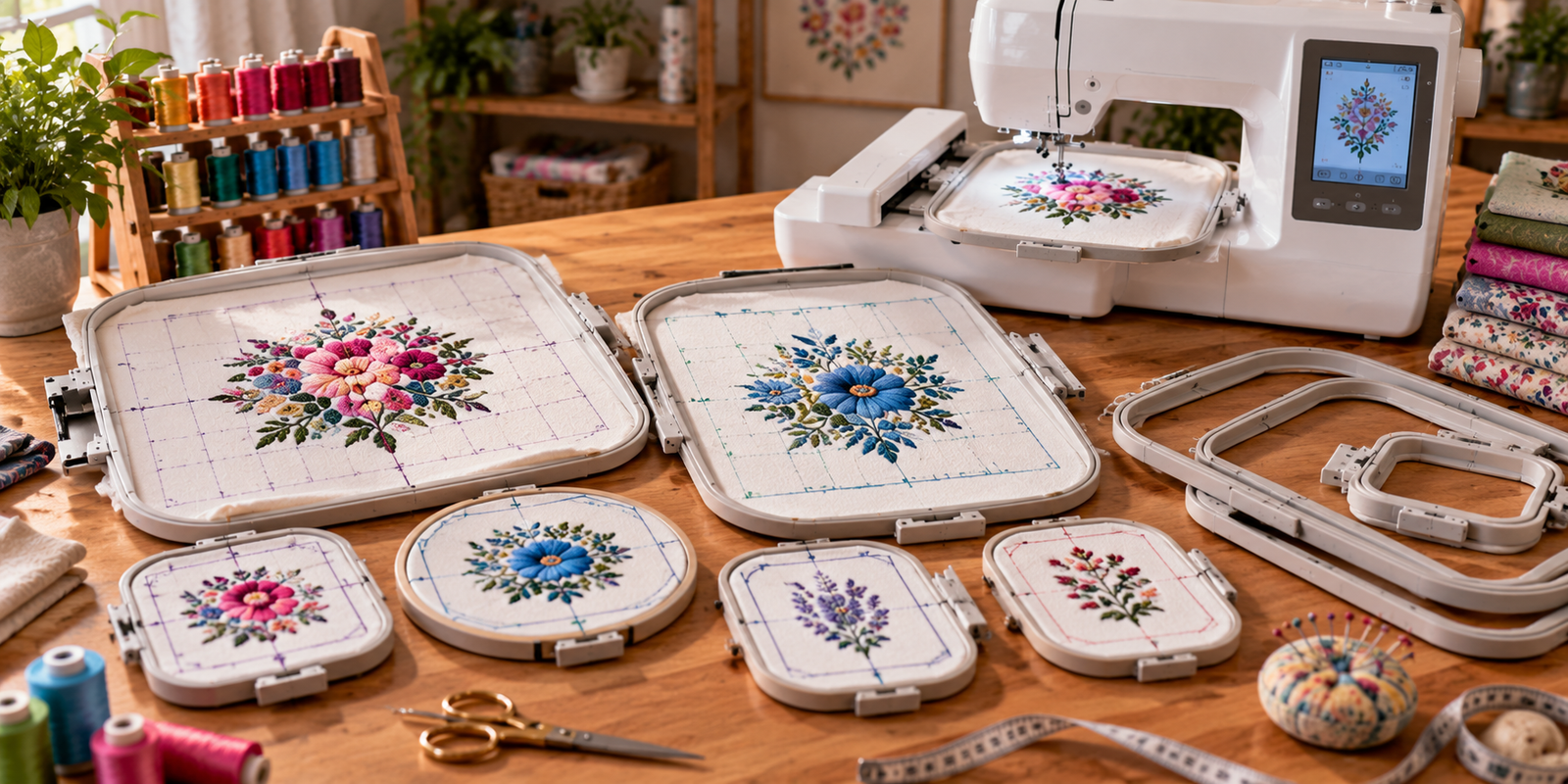
A single-needle embroidery machine can produce remarkably elaborate work. Multiple colors do not require multiple needles; they require thread changes. A 12-color design can be stitched on a single-needle machine if the operator changes thread as the design requests each color.
A multi-needle machine attacks the same problem differently. Several thread colors can remain loaded at once. Rather than asking the operator to rethread one needle repeatedly, the machine can switch among prepared needles according to the programmed color sequence.
That is the fundamental difference.
Everything else-speed, price, cap handling, workspace, training and production capacity-develops from it.
For someone embroidering a child’s name onto a towel occasionally, repeated thread changes may barely register as an inconvenience. For someone processing dozens of multicolor logos, those same interruptions become labor. The correct machine therefore depends less on whether multi-needle technology is more sophisticated and more on whether its reduction in manual intervention solves a real problem.
What “Single-Needle” Actually Means
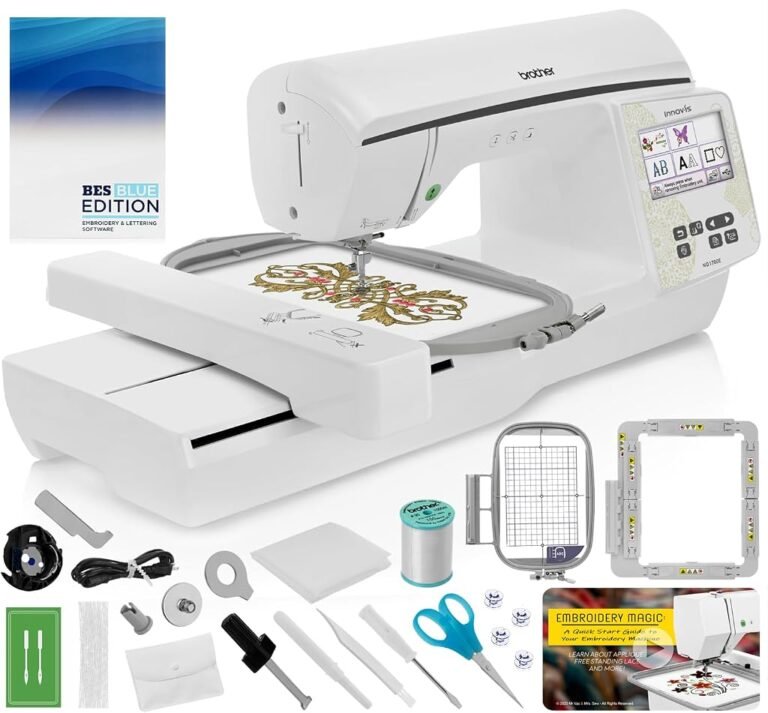
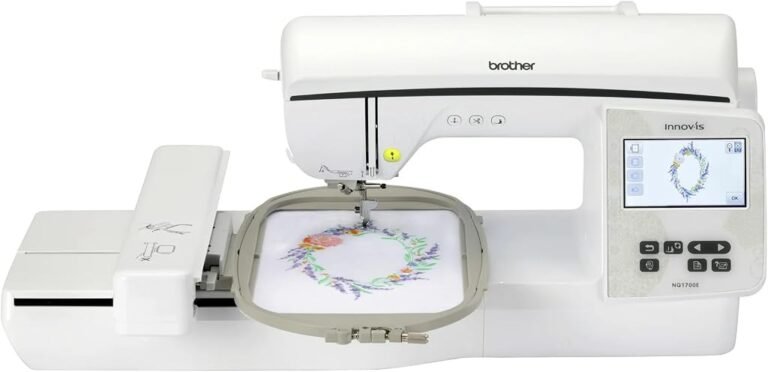
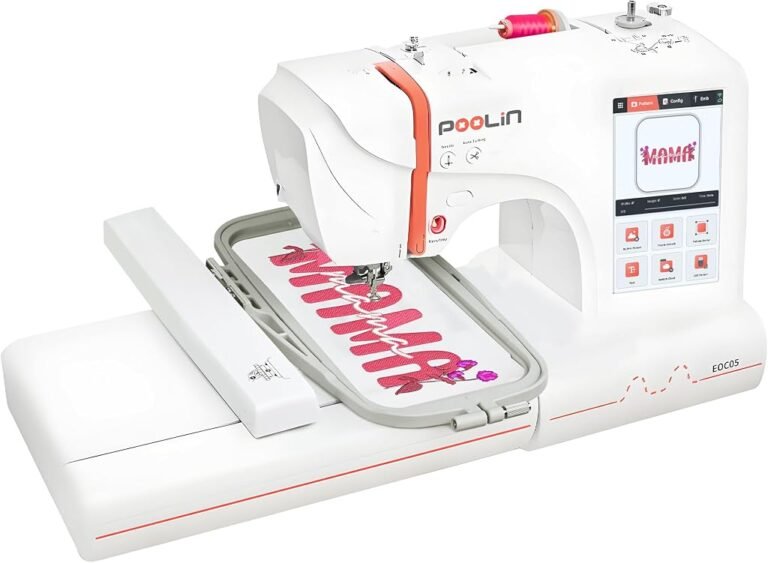
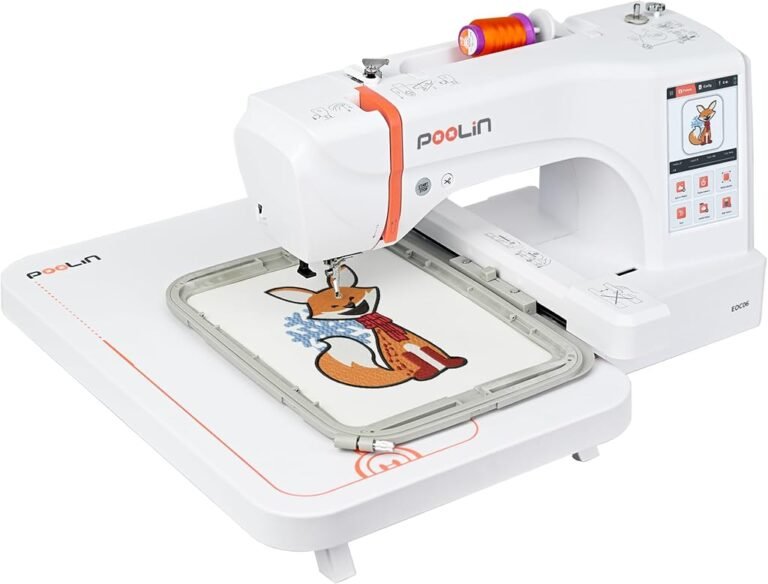
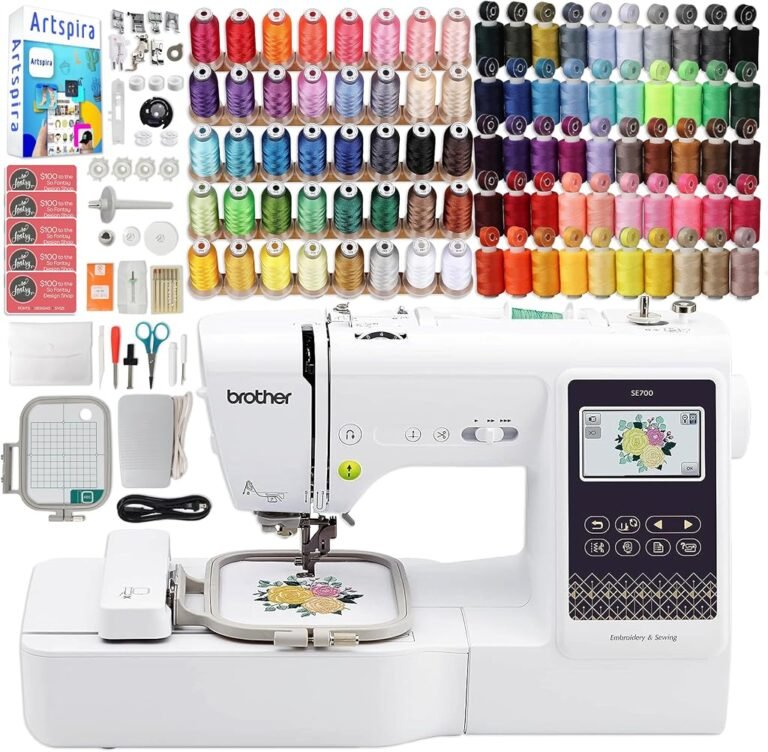
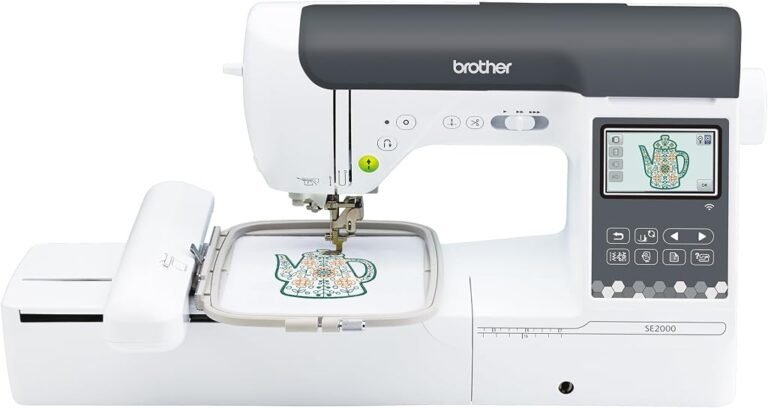
A single-needle embroidery machine uses one needle position for the active embroidery process.
When a design reaches a programmed color change, the machine normally stops so the operator can replace the current upper thread with the next required color.
The machine then resumes from the appropriate point in the design.
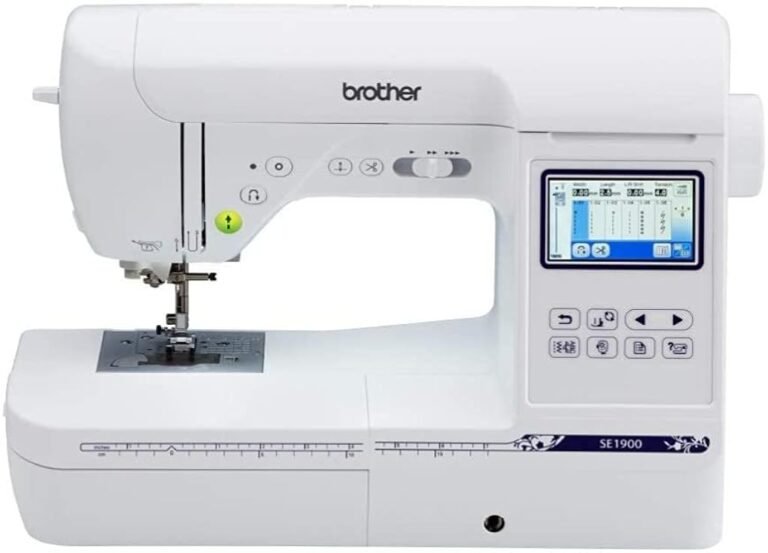
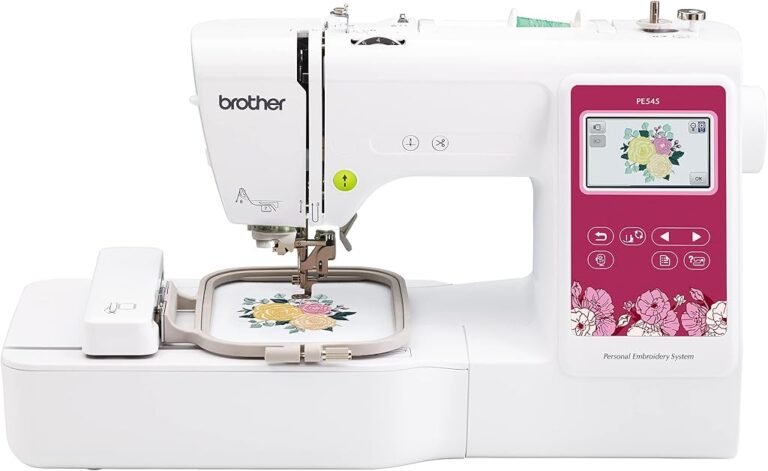
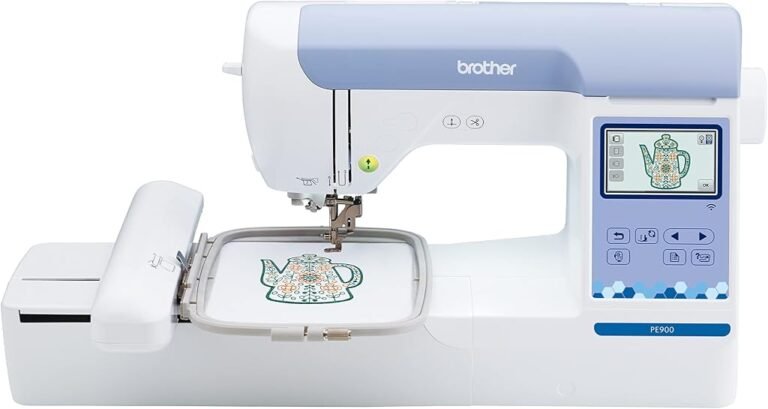
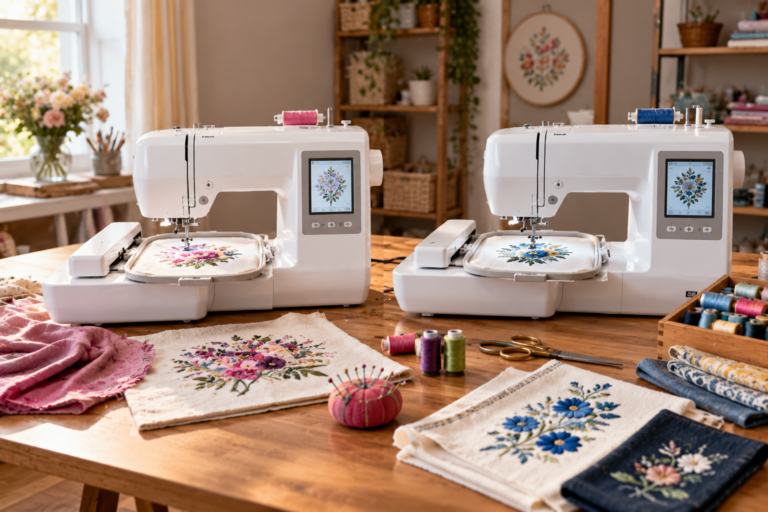
This architecture dominates home embroidery because it keeps the machine relatively compact and makes computerized embroidery accessible without the size and mechanical structure associated with multi-needle equipment.
Single-needle does not mean single-color.
That distinction is central.
A design containing red, blue, yellow, black and white can still be embroidered on a one-needle machine. The difference is that the operator becomes part of the color-changing system.
This arrangement can be entirely rational when embroidery is recreational or relatively infrequent. Threading a machine several times during one project may cost minutes rather than meaningful production capacity.
For an owner making one personalized birthday gift, that labor is simply part of the activity.
For an operator processing repeated customer orders, it becomes a bottleneck.
What a Multi-Needle Machine Changes
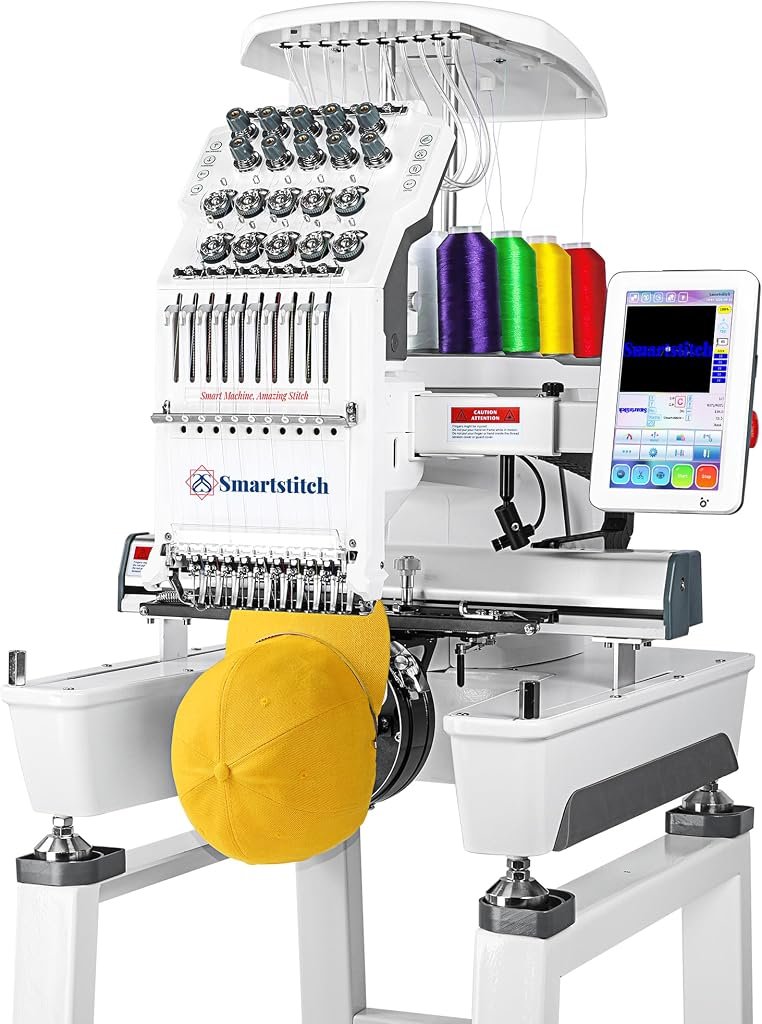
A multi-needle machine provides several needle positions on one embroidery head.
Brother’s 10-needle PR1055X, for example, uses 10 needles, while commercial embroidery equipment can be configured with still more.
Each needle can be threaded with a different color.
When the embroidery file calls for another assigned color, the machine can select the corresponding needle rather than requiring the operator to remove one thread and install another.
Suppose a design contains eight colors.
A single-needle machine may require the operator to intervene at each relevant color transition. A 10-needle machine can potentially keep all eight colors threaded at once.
The word “potentially” matters because color sequences can repeat, jobs can require more colors than available needles, and production planning still affects how threads are assigned.
Even so, the labor difference is substantial.
Multi-needle architecture does not primarily exist to make embroidery possible. Single-needle machines already make multicolor embroidery possible.
It exists to make repeated multicolor embroidery less dependent on constant rethreading.
Needle Count Does Not Equal Stitching Speed
One of the easiest misconceptions is assuming that a 10-needle machine stitches 10 times faster than a single-needle machine.
It does not.
Only the selected needle is stitching at a given moment on a conventional single-head multi-needle machine.
The remaining needles are prepared for use, not simultaneously sewing different sections of the design.
Needle count therefore measures available thread positions rather than parallel stitch production.
This is why stitches per minute must be evaluated separately.
A single-needle machine with a high embroidery speed can have a competitive raw stitch rate. A multi-needle machine may still finish multicolor jobs more efficiently because it loses less time to manual color changes.
The distinction between machine speed and workflow speed is critical.
The needle may spend the same number of seconds producing 1,000 stitches, but the operator may spend radically different amounts of time preparing the machine between color blocks.
The Operator Is Part of the Single-Needle Workflow
Single-needle embroidery distributes responsibility between machine and human.
The machine follows the digital stitch path. The operator manages more of the thread sequence.
That relationship is not necessarily undesirable.
Many hobby embroiderers enjoy selecting colors, watching the design develop and changing thread manually. The process is interactive.
The difficulty emerges when attention becomes expensive.
A single-needle machine running a design with frequent color changes cannot simply be started and ignored for long stretches. It will eventually reach a programmed stop and wait for the next thread.
That idle time can be insignificant in a home setting.
In a business setting, it can become lost throughput.
A machine waiting 10 minutes for an operator to return is not producing anything during those 10 minutes.
Multi-needle equipment reduces that particular dependency when required colors are already threaded.
Multi-Needle Machines Shift Work Toward Setup
Multi-needle embroidery does not eliminate work. It relocates some of it.
Instead of repeatedly changing thread during a design, the operator prepares several thread paths before or between jobs.
Needles must be assigned correctly. Thread colors must correspond to the embroidery file. Tension and thread paths require attention. Hooping, stabilizing and placement remain necessary.
The result is a different rhythm.
Single-needle embroidery can involve lighter initial preparation followed by more intervention during stitching.
Multi-needle embroidery often rewards more deliberate setup because the machine can then proceed through longer portions of a multicolor job without stopping for manual rethreading.
This distinction becomes increasingly relevant as designs repeat.
Setting up eight thread colors for one small item may not save much labor. Setting them up once and then running the same eight-color logo across 30 garments changes the calculation.
Repeated Designs Favor Multi-Needle Architecture
Production repetition is where the difference becomes easiest to quantify conceptually.
Consider a hypothetical eight-color logo embroidered on 20 shirts.
The design itself requires the same number of stitches regardless of machine architecture.
On a single-needle machine, the operator may repeatedly perform thread changes for each shirt.
On a suitably configured multi-needle machine, the required colors can remain threaded while shirts move through the production sequence.
The number of embroidered shirts has multiplied, but much of the thread setup has not.
This is one reason commercial embroidery gravitates toward multi-needle equipment.
The economic benefit is not merely speed. It is reduced repetitive handling.
That distinction also explains why buying multi-needle equipment for occasional one-off designs can be difficult to justify. The workflow advantage becomes more valuable when setup can be amortized across repeated work.
Single-Needle Machines Usually Demand Less Space
Physical size is another major separation.
Single-needle home embroidery machines are generally built for desks and sewing tables. Many can be moved or stored when not in use, although larger embroidery units and hoops still require room.
Multi-needle machines are typically taller, heavier and more mechanically substantial.
They also need working clearance around the embroidery area.
That clearance matters because hoops, frames and garments move during operation. A machine technically fitting on a narrow table does not mean the embroidery system has enough room to move safely.
Commercial-style machines may also use dedicated stands.
Space should therefore be evaluated as a working envelope rather than simply machine width multiplied by depth.
A compact home sewing room may accommodate a single-needle machine comfortably while finding a multi-needle installation disruptive.
For a dedicated embroidery studio, the larger footprint may be a reasonable exchange for greater production efficiency.
Flatbed Design Versus Free-Arm Access
Machine geometry affects what can be embroidered easily.
Many domestic single-needle machines use a relatively flat sewing-machine-style structure with an embroidery carriage attached.
Multi-needle machines frequently use a free-arm or cylindrical-arm arrangement that can make certain finished garments easier to position.
The practical issue is access.
A finished shirt, sleeve, bag or similar item often has multiple layers that should not all be stitched together. The operator needs to position only the intended embroidery surface beneath the needle while keeping unwanted fabric away from the stitching area.
Machine geometry can make that process easier or harder.
This is one reason commercial-style multi-needle equipment is attractive for decorating finished garments.
It is not simply about having more thread colors available. The physical architecture is built around a different style of embroidery handling.
Cap Embroidery Creates a Major Divide
Caps expose the structural differences particularly clearly.
A baseball cap is curved, three-dimensional and less cooperative than a flat piece of stabilized fabric.
Some multi-needle machines support dedicated cap frames or cap-driver systems that rotate the cap during embroidery. Brother, for example, provides cap-frame equipment for compatible multi-needle machines.
That does not mean every multi-needle machine handles every cap equally well, nor that single-needle machines can never embroider hats.
It means cap production should be treated as its own buying requirement.
Someone planning occasional embroidery on unstructured caps may have very different equipment needs from a business producing structured baseball caps repeatedly.
The buyer should examine supported cap frames, embroidery area, machine geometry and manufacturer guidance before assuming that any embroidery machine can perform the intended hat work.
Hoop Size Is Independent of Needle Count
Another misconception is that more needles automatically mean a larger embroidery field.
They are separate specifications.
A single-needle machine can have a relatively large embroidery field. A multi-needle machine can have a field smaller than another model with fewer needles.
Needle count determines how many thread positions are available.
Maximum embroidery area determines how large a design can be stitched within the supported field.
Both numbers matter, but they answer different questions.
A user producing large one-color jacket-back designs may care far more about embroidery area than needle count.
A user producing compact 10-color logos may care more about needle availability than field dimensions.
This is why shopping by category alone can mislead.
Embroidery Area Can Become a Hard Boundary
Physical embroidery dimensions deserve special attention because they cannot be increased through software.
A machine with a maximum 4-by-4-inch embroidery field has a fundamentally different working envelope from one supporting 5-by-7, 8-by-12 or larger designs.
A larger physical hoop does not automatically expand the machine’s supported stitch field.
Design splitting and repositioning techniques can sometimes accommodate artwork exceeding a single field, but those methods introduce additional planning and alignment requirements.
For a buyer evaluating the best sewing and embroidery machines, embroidery area should therefore be treated as a project specification rather than an accessory specification.
The first question is not how many hoops arrive in the box.
It is how large the intended designs actually are.
Thread Changes Are Not the Only Interruptions
Multi-needle equipment reduces one major source of operator intervention, but it does not create fully autonomous embroidery.
Bobbin thread still runs out.
Upper thread can break.
Garments still need to be hooped and removed.
Finished items need inspection.
New jobs need to be loaded and positioned.
Thread colors sometimes need reassignment.
Needles eventually require replacement.
Maintenance remains part of ownership.
This matters because expectations around automation can become unrealistic.
A multi-needle machine should be understood as a labor-reduction tool, not a machine that removes the operator from embroidery entirely.
The more repetitive the work, the more useful that labor reduction becomes.
Digitizing Matters to Both Machine Types
Poor embroidery files remain poor embroidery files regardless of needle count.
Digitizing converts artwork into stitch instructions and determines matters such as stitch type, direction, density, sequence and underlay.
A more expensive machine cannot automatically repair every badly prepared design.
This is a critical point for buyers entering embroidery from graphic design.
Pixels and stitches behave differently.
A smooth gradient in a digital illustration cannot simply be translated literally into thread. Fine text may become difficult at small sizes. Dense stitch areas can distort fabric. Poor sequencing can create unnecessary trims and jumps.
Both single-needle and multi-needle owners therefore benefit from understanding how digitizing affects the finished result, even when the digitizing itself is outsourced.
Machine architecture changes production. It does not replace design preparation.
Multi-Needle Equipment Has a Higher Learning Burden
A machine with 10 or 15 needles creates more variables to manage than a one-needle home model.
Each thread follows a path.
Needle assignments matter.
Multiple tension positions require understanding.
Cap systems and specialty frames add setup procedures.
Garment placement becomes increasingly consequential when expensive blanks or customer-owned items are involved.
This does not make multi-needle embroidery inaccessible to beginners.
It does mean that training and documentation deserve greater weight in the purchase.
A first-time owner should investigate setup instructions, manufacturer support, dealer assistance where applicable, maintenance procedures and parts availability alongside headline specifications.
A machine producing income cannot be evaluated only by what happens when everything works correctly.
Single-Needle Machines Are Often Better Learning Platforms
There is a credible argument for learning embroidery on a single-needle machine.
The architecture exposes the operator to color changes, hooping, stabilizer selection, thread behavior and design sequencing without adding the complexity of numerous needle paths.
For someone exploring embroidery as a hobby, that can be useful.
The lower financial commitment also reduces the cost of discovering that machine embroidery is not an enduring interest.
A single-needle machine can teach the principles that remain relevant later on multi-needle equipment.
The limitation is that a user with immediate production ambitions may outgrow the workflow quickly.
Someone already planning repeated orders does not necessarily benefit from purchasing an intermediate machine simply for educational reasons.
The intended workload should decide whether that intermediate stage makes sense.
Multi-Needle Machines Change Business Economics
For a business, labor becomes measurable.
Suppose an operator must perform several manual thread changes during every item in a recurring order. Each change may take only a short time, but repeated across dozens or hundreds of pieces, the interruptions accumulate.
Multi-needle equipment can reduce those interventions.
That can allow the operator to hoop the next garment, prepare another order, inspect completed work or perform other tasks while the machine continues stitching through prepared colors.
This is where multi-needle architecture can alter productivity without changing the actual stitch count of the design.
The machine is not necessarily creating stitches dramatically faster.
The operator is spending less time servicing each color transition.
That distinction is central to production economics.
One Multi-Needle Machine Is Not the Same as Multiple Heads
Commercial embroidery introduces another distinction: needles versus heads.
A 10-needle, single-head machine has 10 needle positions but embroiders one primary item or hooping station at a time.
A multi-head commercial machine can embroider the same design on several items simultaneously.
These concepts should not be confused.
Ten needles do not mean 10 garments are stitched at once.
For a growing operation, the distinction matters because adding needles and adding heads solve different production problems.
More needles reduce color-change intervention.
More heads increase parallel output on repeated jobs.
A business producing highly varied one-off work may prefer the flexibility of single-head equipment. A larger operation repeating the same logo across substantial quantities may eventually benefit from multiple heads.
Maintenance Becomes More Consequential
More mechanical complexity generally means more components requiring attention.
A multi-needle machine contains multiple needle bars and associated thread paths. Commercial-style equipment may also introduce cap drivers, stands and additional moving assemblies.
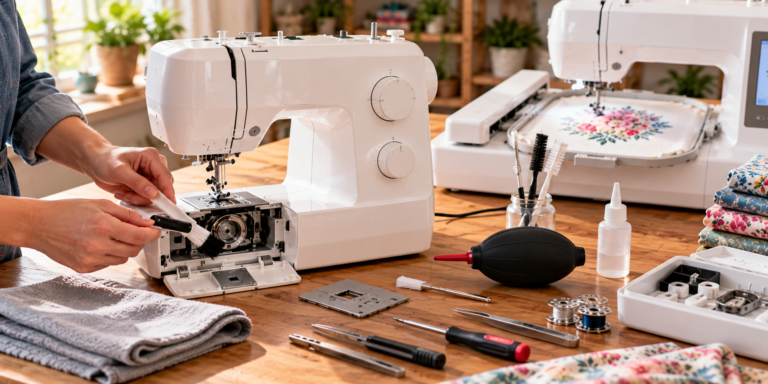
Routine cleaning, lubrication where specified, needle replacement and inspection should follow the manufacturer’s instructions.
The financial context also changes.
If a hobby machine is unavailable for a few days, a recreational project waits.
If a production machine is unavailable, orders may wait.
Service access, replacement parts and technical support therefore deserve greater attention as embroidery becomes commercial.
Purchase price alone does not describe ownership cost.
Which Is Better for Home Embroidery?
For most low-volume home embroidery, single-needle equipment remains highly rational.
It requires less permanent space, generally carries a lower entry cost and can produce multicolor designs as long as the operator accepts manual thread changes.
It is particularly well suited to:
- Monograms and names
- Children’s clothing
- Towels and linens
- Quilt labels and blocks
- Small decorative motifs
- Occasional gifts
- Hobby projects where production time is not a financial constraint
A home user does not automatically benefit from 10 or more needles simply because they reduce thread changes.
The benefit must justify the additional cost, size and setup.
Which Is Better for a Personalization Business?
Multi-needle equipment becomes more compelling as repetition and multicolor work increase.
It is particularly relevant for:
- Repeated company logos
- Team and organization apparel
- Personalized garments
- Frequent cap embroidery where the machine supports appropriate cap hardware
- Multicolor designs produced in quantity
- Orders where operator time limits throughput
- Workflows where finished garments benefit from free-arm access
The economic question is not whether a multi-needle machine looks more professional.
It is whether manual intervention on existing equipment is consuming enough time to justify a different architecture.
That threshold varies dramatically between businesses.
When a Single-Needle Machine Still Makes Business Sense
Commercial intent does not automatically require multi-needle equipment.
A small operation specializing in one-color names, low-volume monograms or occasional custom pieces may operate effectively with a capable single-needle machine.
A large embroidery field may even matter more than needle count for some product categories.
Single-needle equipment can also function as secondary capacity in a studio containing larger machines.
It may handle samples, one-off pieces or projects requiring a different hoop configuration while the primary machine remains occupied.
Equipment value therefore depends on workload rather than hierarchy.
Questions That Reveal the Right Choice
Before choosing between architectures, the buyer should answer a practical set of questions:
- How many embroidered items will typically be produced each week?
- How many colors do recurring designs use?
- Will the same design be repeated across many garments?
- How often will caps be embroidered?
- What is the largest required embroidery field?
- Will finished garments need free-arm access?
- How much permanent space is available?
- Does the machine need to be portable?
- Is embroidery recreational or revenue-producing?
- How costly is operator time?
- Is local or remote technical support available?
- Could future volume require multiple machines or multiple heads?
The answers usually reveal whether additional needles solve an actual restriction or merely increase equipment cost.
Final Considerations
Single-needle and multi-needle embroidery machines can create the same broad category of output: programmed thread designs applied to fabric. Their difference lies in how that work is organized.
A single-needle machine places more responsibility for color changes on the operator. That trade-off supports smaller machines, lower entry costs and a workflow well suited to hobby embroidery, learning and low-volume personalization.
A multi-needle machine keeps several thread colors prepared simultaneously and can switch among assigned needles during a design. That reduces repeated rethreading and changes how operator time is allocated.
The benefit grows with repetition.
An eight-color design stitched once may not justify a large machine. The same eight-color design repeated across dozens of garments creates a very different labor calculation.
Needle count should never be treated as a substitute for embroidery area, speed or machine geometry. Ten needles do not guarantee a larger field than one needle. Ten needles do not produce stitches simultaneously on a single-head machine. Ten needles do not automatically make a design cleaner.
They reduce one specific form of intervention: repeated thread changes.
Machine geometry adds another dimension. Free-arm access and dedicated cap systems can make multi-needle equipment better suited to certain finished garments, while the compact structure of many single-needle machines makes them easier to accommodate at home.
For hobbyists, occasional embroiderers and users still discovering their preferred projects, single-needle equipment often offers the more proportionate investment.
For repeated multicolor orders, cap production and workflows where labor interruptions constrain output, multi-needle equipment becomes easier to justify.
The decision therefore turns on a simple operational question: how expensive is interruption?
When changing thread is part of an enjoyable creative process, a single needle can accomplish a remarkable amount. When the machine is waiting for a person several times during every product in a recurring order, those pauses become a production problem.
That is where the additional needles earn their place-not by changing what embroidery is, but by changing how much human attention it requires.