A sewing machine and a serger can both join fabric, accept multiple thread types, and produce clothing that survives repeated wear. That superficial overlap has caused decades of confusion about whether a home sewer actually needs both.
Mechanically, however, they solve different problems.
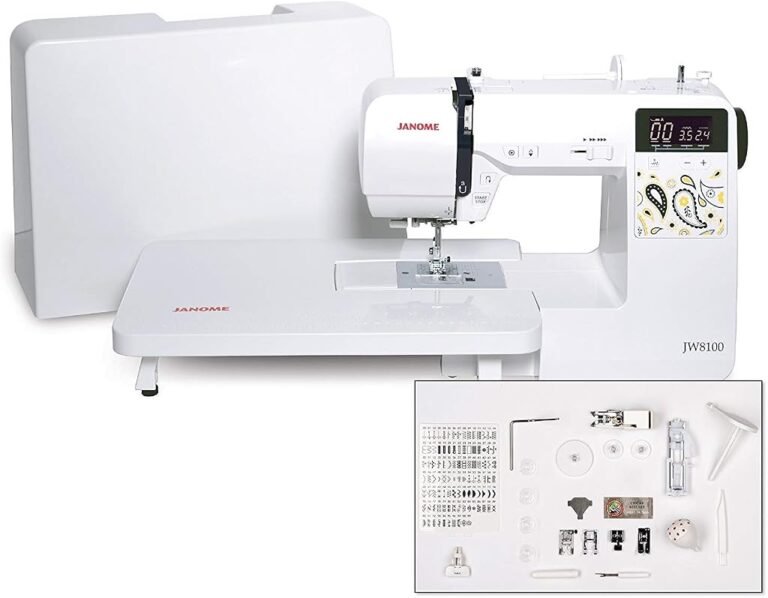
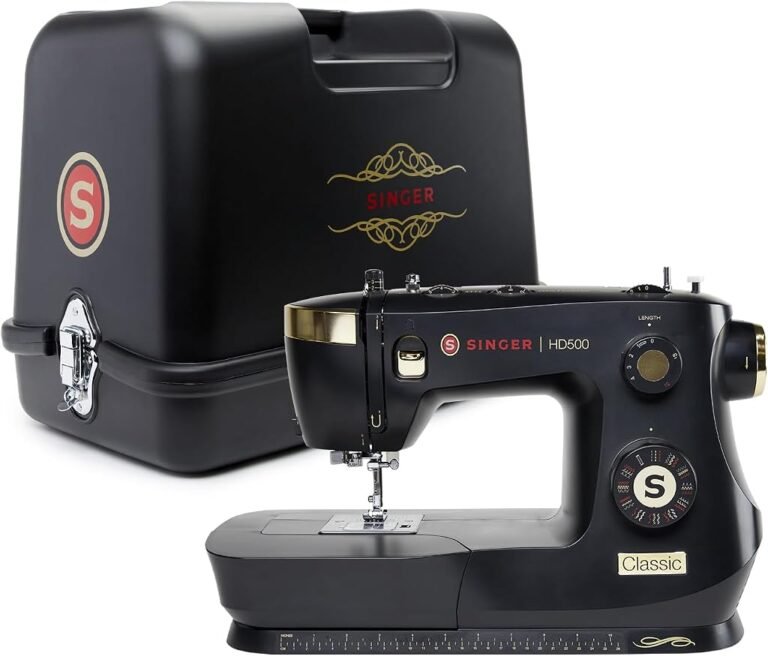
A conventional sewing machine is fundamentally a construction machine. It excels at controlled stitching: straight seams, curves, corners, topstitching, buttonholes, zippers, understitching, quilting, and dozens of operations requiring deliberate placement of a needle.
A serger-also called an overlock machine-is fundamentally an edge-management machine. Its characteristic advantage comes from performing several operations almost simultaneously. The machine can stitch a seam, wrap thread around the raw fabric edge, and use built-in knives to trim excess seam allowance as the fabric moves through the machine. Singer describes the basic process succinctly: a serger “sews a seam and seam finish simultaneously as it trims away the excess seam allowance.” Singer’s serger threading guide explains the same operating principle.
That difference explains why asking whether a serger is “better” than a sewing machine is usually the wrong comparison. The more useful question is whether the work being produced contains enough stretch fabric, exposed seam allowances, repeated garment construction, rolled edging, or production sewing to justify a specialized second machine.
For many households, the answer is no. For others, the change in workflow is substantial.
Sewing Machines and Sergers Create Fundamentally Different Stitches
The distinction begins underneath the fabric.
A conventional home sewing machine commonly forms a lockstitch by interlocking needle thread with bobbin thread. The technology has deep historical roots. The Smithsonian’s record of Isaac Merritt Singer’s 1851 patent model states that Singer received U.S. Patent No. 8,294 on August 12, 1851, and that his commercial machine produced a lockstitch using a straight, eye-pointed needle and reciprocating shuttle.
Modern machines have obviously moved far beyond that mechanism in controls, motors, stitch selection, feeding systems, and automation. The underlying appeal of the lockstitch remains recognizable: it creates a controlled line of stitching suitable for a remarkably broad range of construction tasks.
An overlock machine approaches fabric differently. Instead of relying on the familiar needle-and-bobbin arrangement, it generally uses needles and loopers to form threads around the edge of the material.
The result is immediately recognizable inside commercially manufactured T-shirts, sweatshirts, leggings, children’s knitwear, and countless other garments: loops of thread enclosing a trimmed fabric edge.
Industrial stitch classifications make the difference more concrete. Coats’ technical overview of basic stitch types identifies several overedge constructions, including stitch types 512, 514, and 515, illustrating that “overlock” does not describe one universal stitch. Different thread and stitch configurations address different requirements for edge coverage, seam formation, security, and appearance.
That mechanical distinction has practical consequences. A sewing machine puts a precise line of stitches where the operator directs it. A serger manages the fabric edge as part of the stitching operation.
Neither approach makes the other obsolete.
Why the Serger Has Knives
The cutting system is one of the easiest ways to understand what makes a serger different.
On a conventional sewing machine, the sewer generally cuts the fabric first, establishes the seam allowance, and then stitches without intentionally removing material. On a serger, the fabric edge passes alongside a cutting mechanism that can trim it immediately before the overlock stitch encloses the newly cut edge.
This produces an exceptionally tidy sequence:
- the fabric is fed forward;
- excess seam allowance reaches the cutting area;
- the edge is trimmed;
- needles create the seam or part of the stitch structure;
- loopers wrap thread around the edge.
The benefit is not merely cosmetic. Cutting and enclosing the edge in one pass can reduce separate finishing operations during garment construction.
It also introduces a consequence that beginners sometimes underestimate: mistakes can become physical rather than merely stitched.
A poorly positioned straight seam can usually be unpicked. Fabric removed by a serger knife cannot be put back. Curves, corners, narrow seam allowances, and small pieces therefore require a different style of handling. Speed is useful only after control becomes reliable.
The Historical Reason Overlocking Exists
Overlocking developed in response to textile manufacturing needs rather than as a decorative variation on domestic sewing.
According to Merrow’s account of overlock-machine history, Joseph Millard Merrow devised the first Merrow crochet machine in 1868 while the family’s business was involved in knitting. The machinery was originally used for finishing around the tops of men’s socks. After the company’s knitting mill was destroyed by fire in 1887, the business moved to Hartford and concentrated on overlock sewing machinery.
That industrial ancestry helps explain the modern serger’s personality.
Its architecture favors continuous edge processing. Fabric enters one side and rapidly emerges trimmed, stitched, and enclosed. The machine is particularly comfortable when the job consists of following a long seam or perimeter rather than repeatedly stopping for pivots, backstitching, zipper installation, buttonholes, or precise topstitching.
The conventional sewing machine developed into a broad-purpose platform. The serger retained more of the specialized character associated with production sewing.
This specialization is precisely why owning both can make sense.
Where a Regular Sewing Machine Is Still Better
A serger should not normally be treated as the first machine for someone who wants broad sewing capability.
Consider an ordinary shirt. Even if its major seams are assembled or finished on an overlocker, construction may still require buttonholes, button attachment, edge stitching, collar work, precise topstitching, and other operations better suited to a conventional machine.
The same principle applies across many projects.
A sewing machine is generally the more appropriate tool for installing a standard zipper because needle placement can be controlled close to the zipper teeth. It handles pivoting at corners without requiring the operator to manage a cutting knife. It can sew straight stitches far from an edge. It can baste. Depending on the model and accessories, it can create buttonholes, sew decorative stitches, quilt, perform free-motion work, attach specialty feet, and handle numerous operations that do not involve finishing a raw edge.
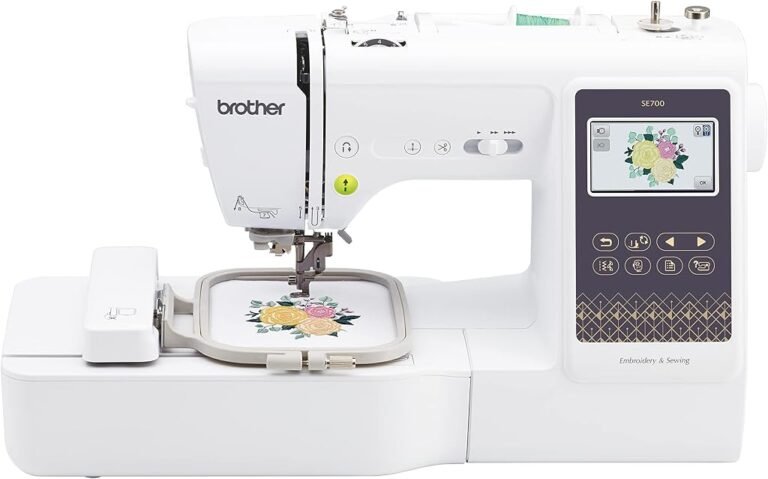
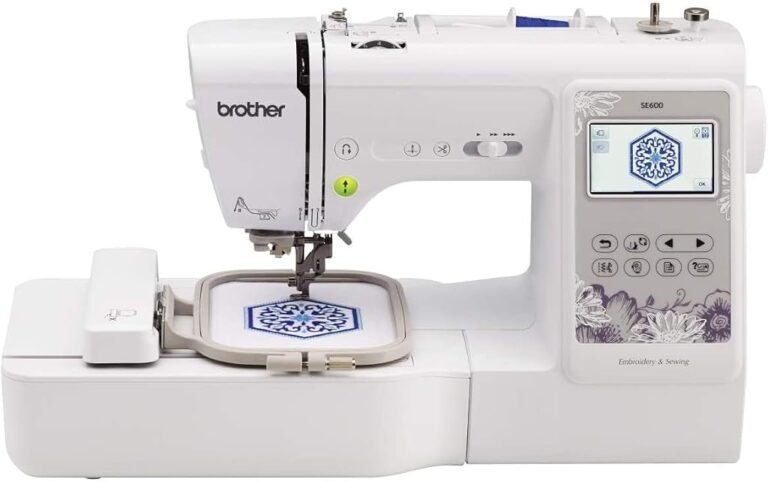
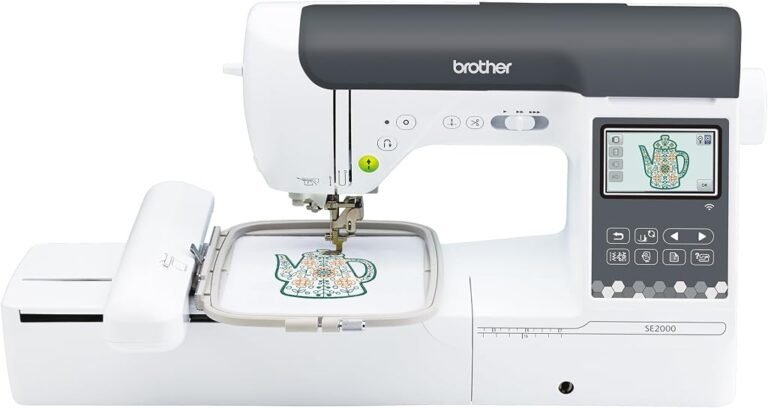
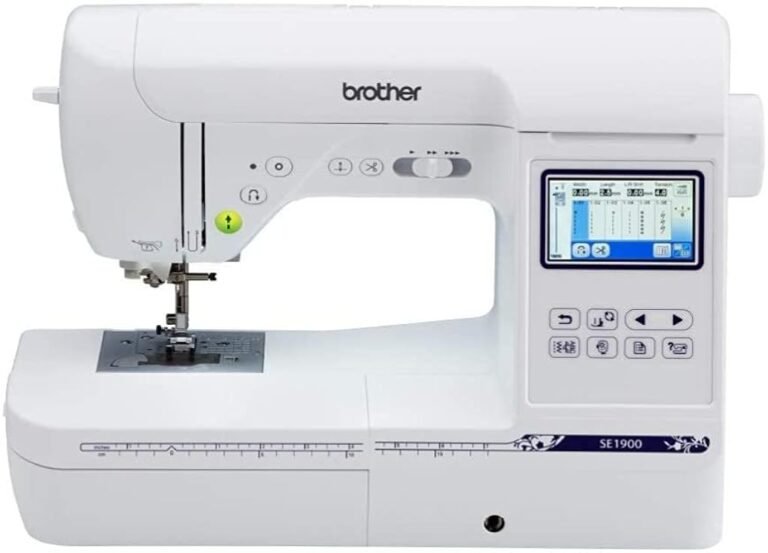
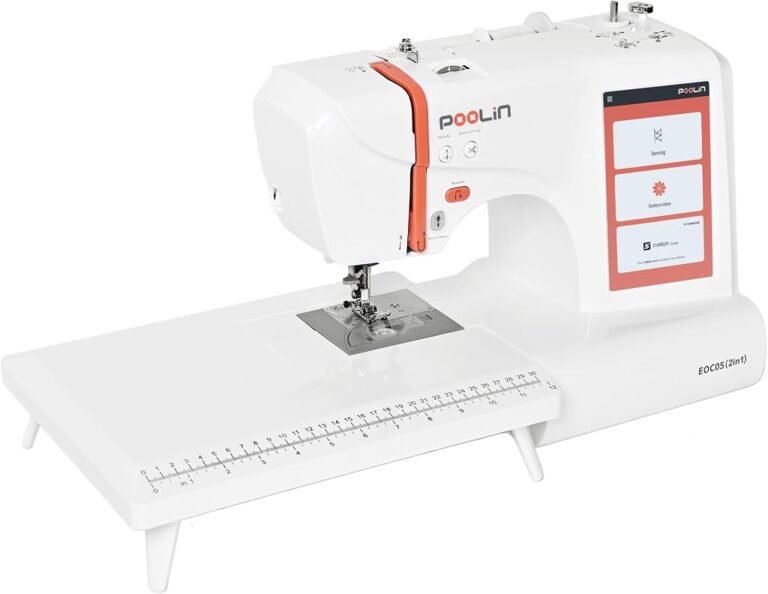
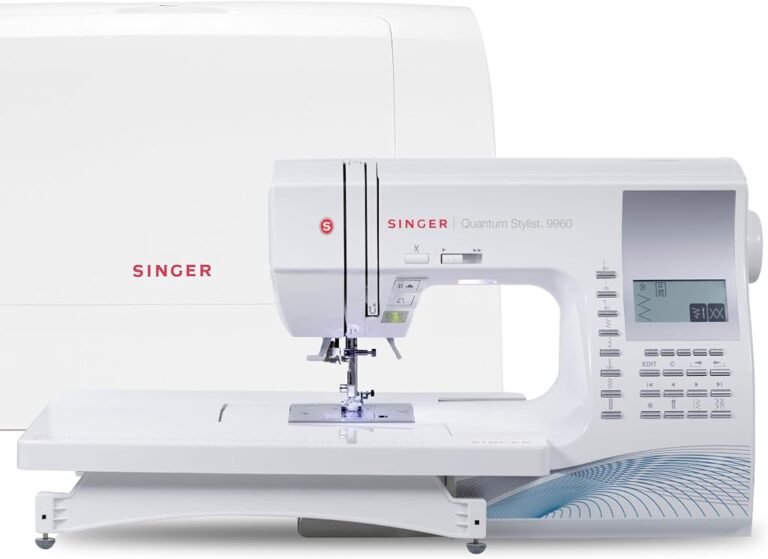
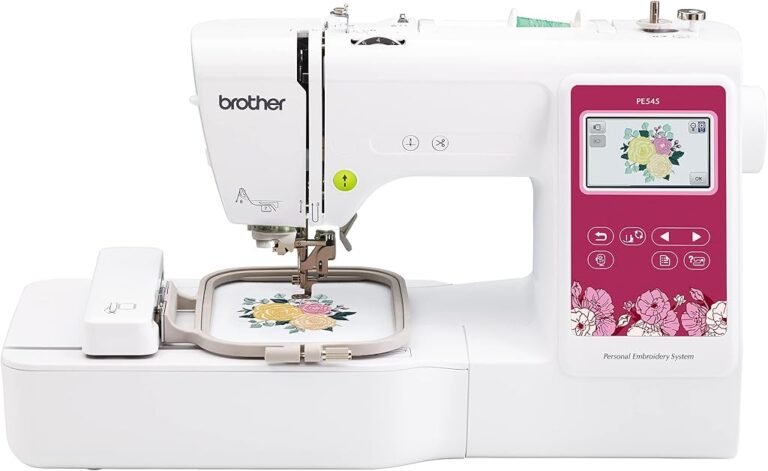
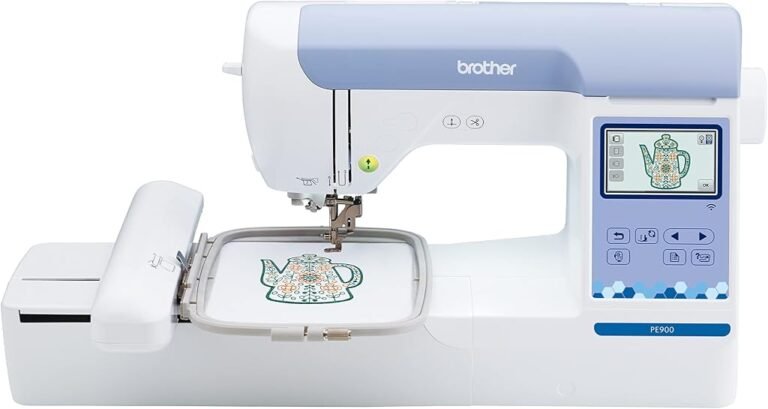
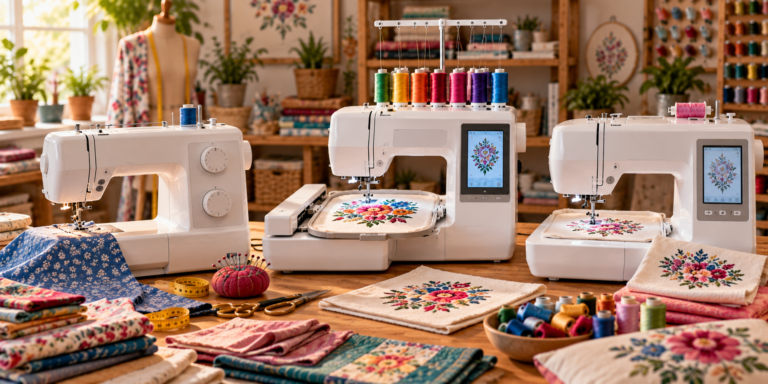
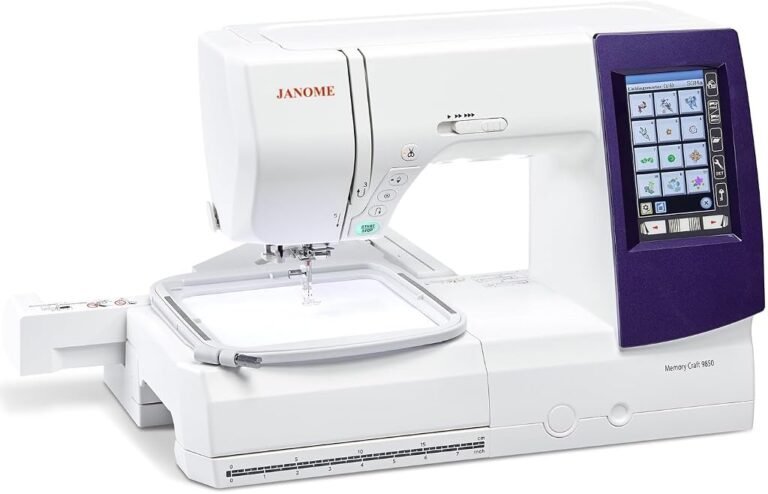
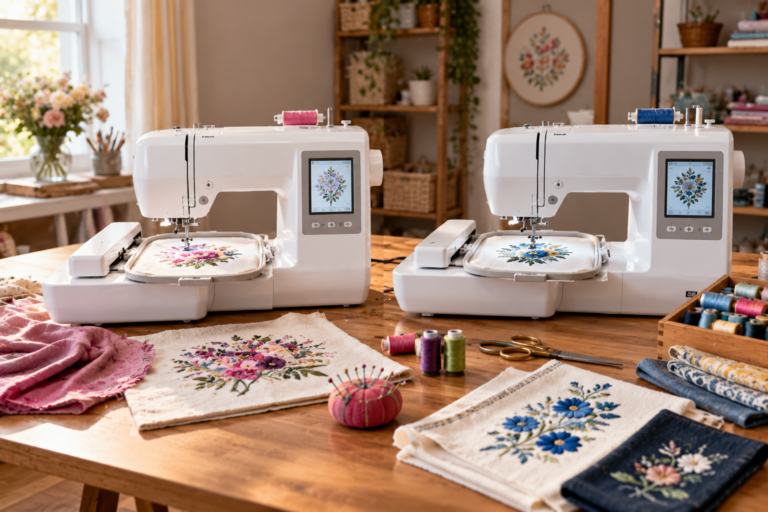
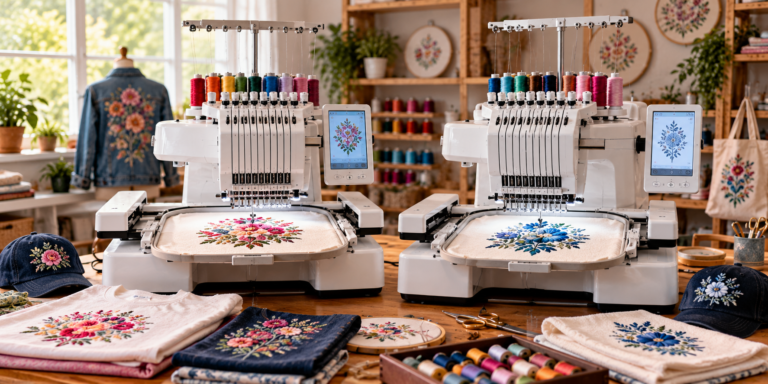
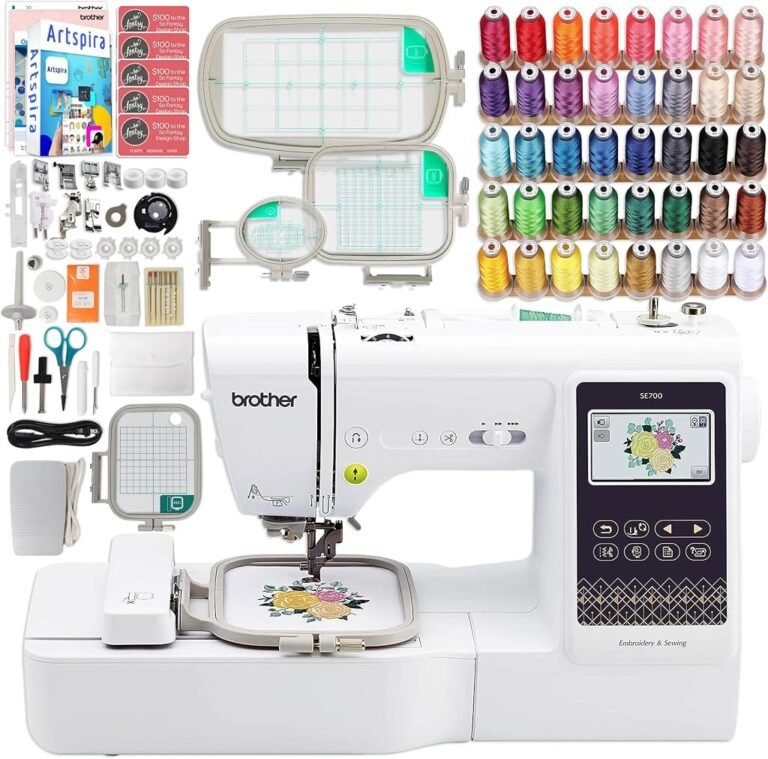
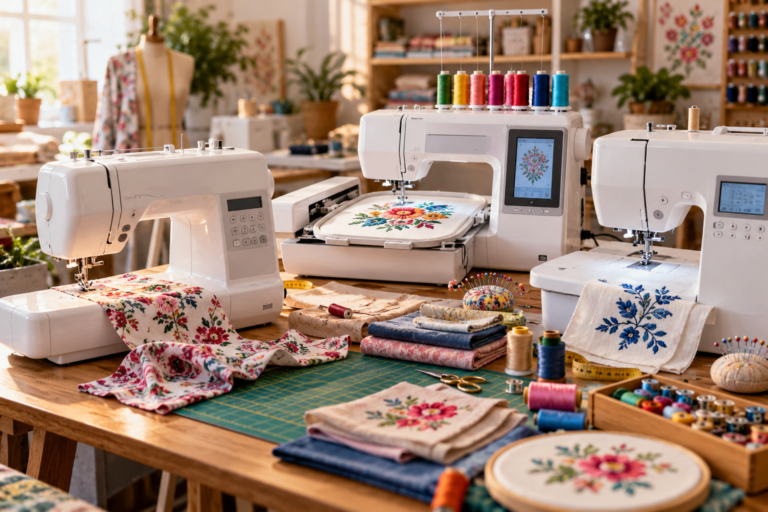
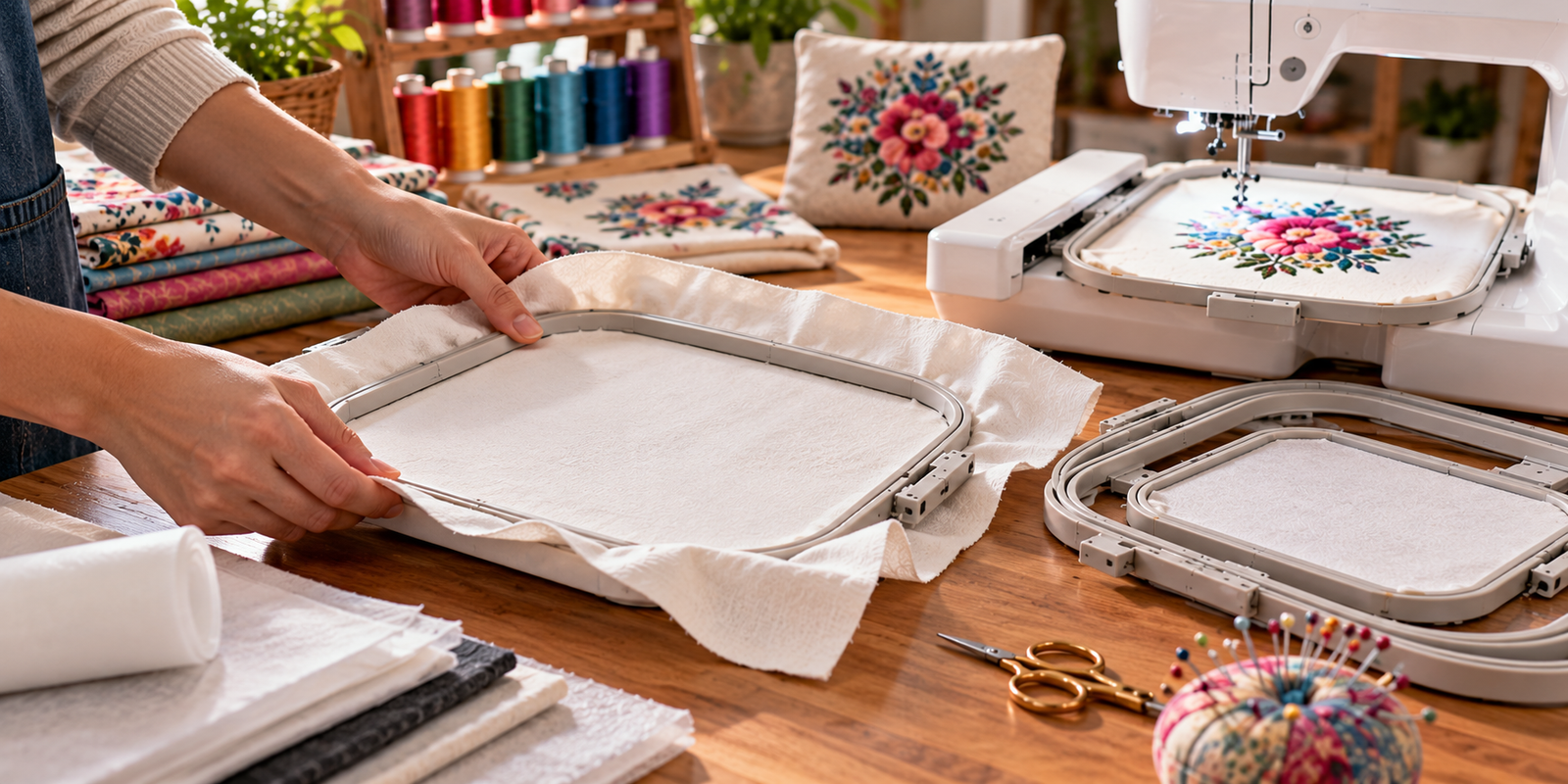
Modern machines may extend much further into computerized decorative work. Anyone comparing the best sewing and embroidery machines is therefore evaluating a fundamentally different category from an overlocker. Embroidery capability expands controlled stitching across the surface of fabric; overlocking concentrates primarily on seams and edges.
This is why replacing a sewing machine with a serger often creates more limitations than efficiencies.
Where a Serger Pulls Ahead
The argument changes when the work is dominated by garment sewing, especially knits.
Stretch fabric creates an obvious problem for rigid stitching. When the fabric stretches farther than the seam can tolerate, thread can break. An overlock stitch contains loops and a structure capable of accommodating movement, making sergers particularly useful for many knit constructions.
Feed control is another major advantage.
Many contemporary sergers incorporate differential feed. Instead of treating fabric movement as one fixed feed action, differential-feed systems control the relative movement of different feed-dog sections. Singer’s explanation for the S0700 serger states that differential feed controls “the ratio of movement between the front and back sections of the feed teeth” and can be used to address distortion in stretchy material or puckering in lightweight fabrics.
This matters because fabric does not always behave politely under a presser foot.
A stretchy knit can elongate while being sewn and emerge with a rippled seam. A lightweight woven can pucker. Changing differential feed alters how the material is delivered into the stitch formation area, allowing the machine to compensate for some of that distortion.
Differential feed can also be deliberately manipulated to create gathering or other effects. Singer’s documentation for its S0080, for example, states that differential feed can help prevent stretching or puckering and can also create gathers.
That capability is not simply an extra stitch. It changes how the machine interacts mechanically with difficult fabric.
Two, Three, Four and Five Threads: What the Numbers Actually Mean
The thread count printed on a serger’s specifications can look like a hierarchy: more threads must mean a better machine.
The reality is more functional.
Different thread configurations create different stitch structures. A three-thread overlock can provide useful edge finishing. Four-thread configurations are widely associated with garment construction because an additional needle thread can increase seam security. More elaborate machines can add further configurations, including stitches intended for specialized construction or finishing.
Thread count therefore should be read as a capability question rather than a status symbol.
A person primarily finishing raw edges on woven fabric has different requirements from someone constructing stretch garments from beginning to end. A costume maker working with rapidly fraying materials faces different demands from someone sewing occasional cotton tote bags.
The machine should follow the work.
This principle also prevents an expensive purchasing mistake: buying a highly configurable overlocker because its specification sheet is longer, then spending most of its life using one four-thread setup.
A Serger Is Faster, but Speed Is Not the Whole Story
Overlock machines have a reputation for speed, and the reputation is grounded in machine design. As one current example, Singer specifies up to 1,300 stitches per minute for its S0700 serger.
Raw stitch speed, however, is a poor measure of total project time.
A sewer still has to prepare the pieces, align seams, change thread when necessary, configure tensions, manage curves, secure thread chains, press the work, and switch to a conventional sewing machine for operations the serger cannot perform efficiently.
The meaningful productivity gain comes from combining operations.
If a seam would otherwise be sewn, trimmed, and separately finished, a serger may collapse much of that sequence into one pass. Multiply that saving across the side seams, sleeve seams, shoulder seams, and other edges of repeated garments, and the workflow advantage becomes much easier to see.
For a single cushion cover sewn twice a year, the arithmetic looks different.
The Professional-Looking Finish Question
Sergers are often described as producing a “professional” finish. The phrase is imprecise unless the intended meaning is defined.
A serged interior resembles the edge treatment found in a great deal of factory-made clothing. That visual familiarity can make a home-sewn garment look more like ready-to-wear construction when turned inside out.
But overlocking is not automatically evidence of superior workmanship.
A poorly balanced overlock stitch can pull, tunnel, wave, expose the fabric edge, or leave loops extending beyond it. A carefully constructed garment with conventionally finished seams can be cleaner and more durable than a carelessly serged one.
There are also many traditional seam finishes that intentionally avoid overlocking. French seams, bound seams, flat-felled seams, turned-and-stitched edges, and lined construction can produce exceptionally controlled interiors.
The serger’s advantage is therefore better described as speed plus efficient edge enclosure-not automatic craftsmanship.
Rolled Hems Are a Separate Reason to Own One
Edge finishing is not limited to ordinary seams.
Many sergers can form narrow rolled hems by changing the relationship among thread tension, stitch width, stitch length, and the stitch-forming hardware. The fabric edge is rolled or tightly enclosed rather than left with a conventional seam allowance.
This is useful for lightweight scarves, ruffles, napkins, costume elements, decorative edges, and certain garments.
The operation demonstrates something easy to overlook when comparing machines: a serger is not merely a machine for preventing fraying. It can alter the physical character of an edge.
A current Singer 2/3/4-thread model, for example, specifies a three-thread rolled-hem capability without requiring a change of presser foot or stitch plate. That example should not be generalized to every machine; rolled-hem setup varies considerably by design.
For someone who regularly produces narrow finished edges, that capability alone can remove substantial repetitive work.
Threading Is the Learning Curve Everyone Talks About
The stereotype of the serger as an impossible machine to thread has some mechanical basis.
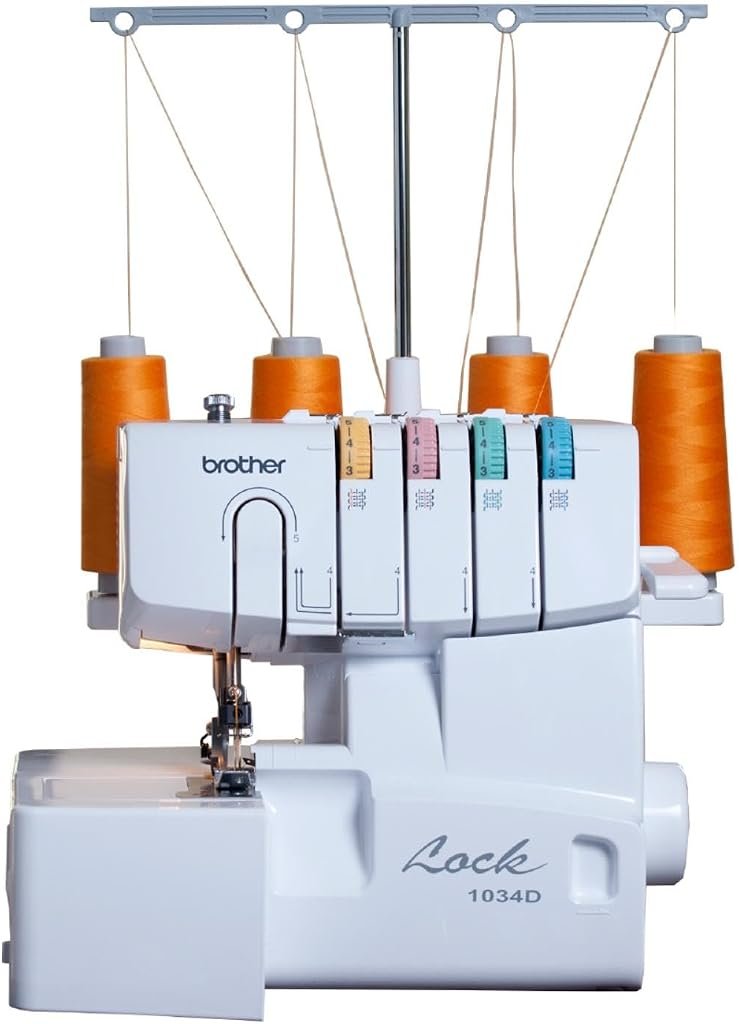
A conventional sewing machine commonly requires one upper thread and one bobbin. A serger may require several thread paths passing through guides, tension systems, needles, and upper and lower loopers. Threading order can matter.
Modern machines attempt to reduce that friction with color-coded pathways, accessible covers, threading diagrams, needle threaders, or assisted looper-threading systems. Even so, buyers should evaluate threading as part of everyday ownership rather than as an inconvenience encountered only once.
Thread changes happen.
Broken threads happen.
Incorrectly threaded loopers happen.
A machine that feels manageable during setup is more likely to be used than one whose threading procedure discourages experimentation.
There is also a practical skill that specification sheets rarely communicate: learning to diagnose a stitch visually. A loop hanging too far off the fabric edge, a needle thread pulling incorrectly, or an edge curling under the stitch can point toward tension, width, feed, threading, needle, or fabric issues.
Serger ownership therefore rewards understanding the stitch rather than memorizing one set of dial positions.
When a Serger Is Probably Unnecessary
Many people can sew for years without one.
Someone primarily making quilts, repairing garments, sewing curtains, creating bags, performing alterations, or working on crafts centered around straight seams may gain relatively little from an overlocker.
The same applies to beginners with limited space or a constrained equipment budget. A competent sewing machine covers a broader range of fundamental operations. Money allocated to a serger might initially be more useful for quality scissors, needles, presser feet, an iron, pressing tools, thread, cutting equipment, or simply more fabric for practice.
A zigzag stitch or dedicated overcasting stitch on a conventional machine can finish many raw edges successfully. Pinking, binding, enclosed seams, and other techniques remain available as well.
They may require more time, but additional time does not automatically justify another machine.
When Buying a Serger Starts Making Sense
The case becomes much stronger when the sewer repeatedly encounters jobs that align with an overlocker’s design.
A serger deserves serious consideration when several of these conditions recur:
- Knit garments form a substantial share of the sewing workload.
- Raw seam allowances are being finished repeatedly with zigzag or overcasting stitches.
- Stretching or waviness at knit seams is a frequent problem.
- Garments are produced often enough that combining trimming, stitching, and edge finishing would save meaningful time.
- Rolled hems are needed regularly.
- The appearance of overlocked interior seams matters for the intended work.
- Small-batch clothing production makes repetitive seam finishing a bottleneck.
- The existing sewing machine already covers buttonholes, zippers, topstitching, and general construction satisfactorily.
The last point deserves emphasis. A serger makes the strongest case as a complement to a capable sewing machine.
That combination divides labor according to machine architecture. The sewing machine handles precision and versatility; the serger handles rapid edge processing and many stretch-seam tasks.
What to Examine Before Buying an Overlocker
Thread count alone is an inadequate shopping method.
Differential feed should rank high on the evaluation list for anyone planning to sew knits. Stitch-width and stitch-length adjustment matter because fabrics differ in thickness, stability, and tendency to fray. Presser-foot-pressure adjustment can also help when moving between lightweight and heavier materials.
Threading access deserves physical inspection when possible. A beautifully specified machine that is unpleasant to rethread can turn every color change into procrastination.
The buyer should also investigate:
- whether the knife can be disengaged when needed;
- how rolled hems are configured;
- which two-, three-, or four-thread stitches are supported;
- whether commonly replaced parts and needles are readily available;
- how easy it is to clean lint from the cutting and looper area;
- what accessories are included;
- how tension adjustments are controlled;
- whether the machine provides adequate workspace and visibility;
- whether local servicing is realistically accessible.
Noise and vibration also matter in a home workspace. High-speed sewing puts different demands on the table and machine chassis than occasional slow stitching.
The most useful demonstration is not an immaculate sample sewn by an experienced salesperson. It is the prospective owner threading the machine, changing a setting, sewing the fabrics normally used, turning a curve, crossing a seam intersection, and then restoring the machine to its ordinary configuration.
That exercise exposes usability quickly.
Why Industrial Heritage Still Matters at Home
The overlock machine’s history reveals why its strengths can feel unusually specific.
Merrow reports that after moving to Hartford in the late nineteenth century, the company concentrated on machines used to overedge fabric, create decorative edging, and join fabrics. By 1905, according to the company’s historical account, it had agents in 35 countries and manuals printed in at least 12 languages.
The modern domestic serger inherits the same basic production logic: process an edge efficiently and continuously.
The sewing machine followed a broader domestic path. The Smithsonian records that Singer’s early 1851 commercial machine was actually intended for manufacturing rather than household use, despite the brand’s later association with domestic sewing. Over subsequent generations, household sewing machines accumulated capabilities far beyond straight lockstitch construction.
The two machines therefore arrived at the modern sewing room from related histories but different areas of specialization.
That history also explains why comparing them solely by stitch count can be misleading. The real distinction lies in what happens to the material as it travels through the machine.
The Practical Two-Machine Workflow
The strongest argument for owning both becomes visible during an ordinary garment project.
A conventional machine might handle staystitching, darts, precise structural seams, zipper insertion, understitching, buttonholes, topstitching, and detail work. The serger might assemble suitable knit seams, finish exposed allowances, neaten edges before construction, or create rolled hems.
There is no requirement to force every seam through one machine.
That division can also make troubleshooting easier. If a project needs a carefully positioned structural stitch, it goes to the sewing machine. If a long raw edge needs trimming and enclosing, it goes to the serger. If the seam requires characteristics from both processes, the work can move between machines.
This is closer to a workshop model than a replacement model.
It also changes the economics of ownership. The value of a serger should not be calculated by asking how many sewing-machine functions it replaces. Its value comes from how often it eliminates slower edge-finishing procedures and how effectively it handles fabrics that dominate the owner’s projects.
Final Considerations
The dividing line between a serger and a sewing machine is not experience level, seriousness, or ambition. It is workflow.
A conventional sewing machine remains the more versatile foundation because it can place controlled stitches in locations where an overlock machine is structurally unsuited to work. It handles construction tasks that require precision without simultaneously cutting the fabric edge.
A serger earns its space when edge processing itself becomes a recurring job.
For someone sewing occasional household projects, alterations, woven accessories, or quilts, conventional seam-finishing methods may be entirely sufficient. Buying another machine would add cost, storage demands, maintenance, thread consumption, and another mechanical system to learn.
For someone regularly sewing T-shirts, activewear, children’s clothing, stretch garments, costumes, or repeated batches of clothing, the calculation changes. Differential feed, multi-thread overlocking, simultaneous trimming, and rapid edge enclosure address problems that a standard machine handles less directly.
The distinction can therefore be reduced to a practical test: observe the operations consuming time rather than the machines available for purchase.
If the sewing machine spends much of its workload trying to imitate overlocking-finishing raw edges one after another, controlling troublesome knit seams, and repeatedly performing separate trimming and finishing steps-the workshop has begun generating a job for a serger.
If those situations occur only occasionally, the existing sewing machine probably remains the more rational tool.
A serger is not the next level of a sewing machine. It is a different machine built around a narrower, highly efficient set of operations. Once that distinction is understood, the buying decision becomes considerably less mysterious: the question is not whether an overlocker can make sewing look more advanced, but whether enough of the work actually requires what an overlocker was engineered to do.